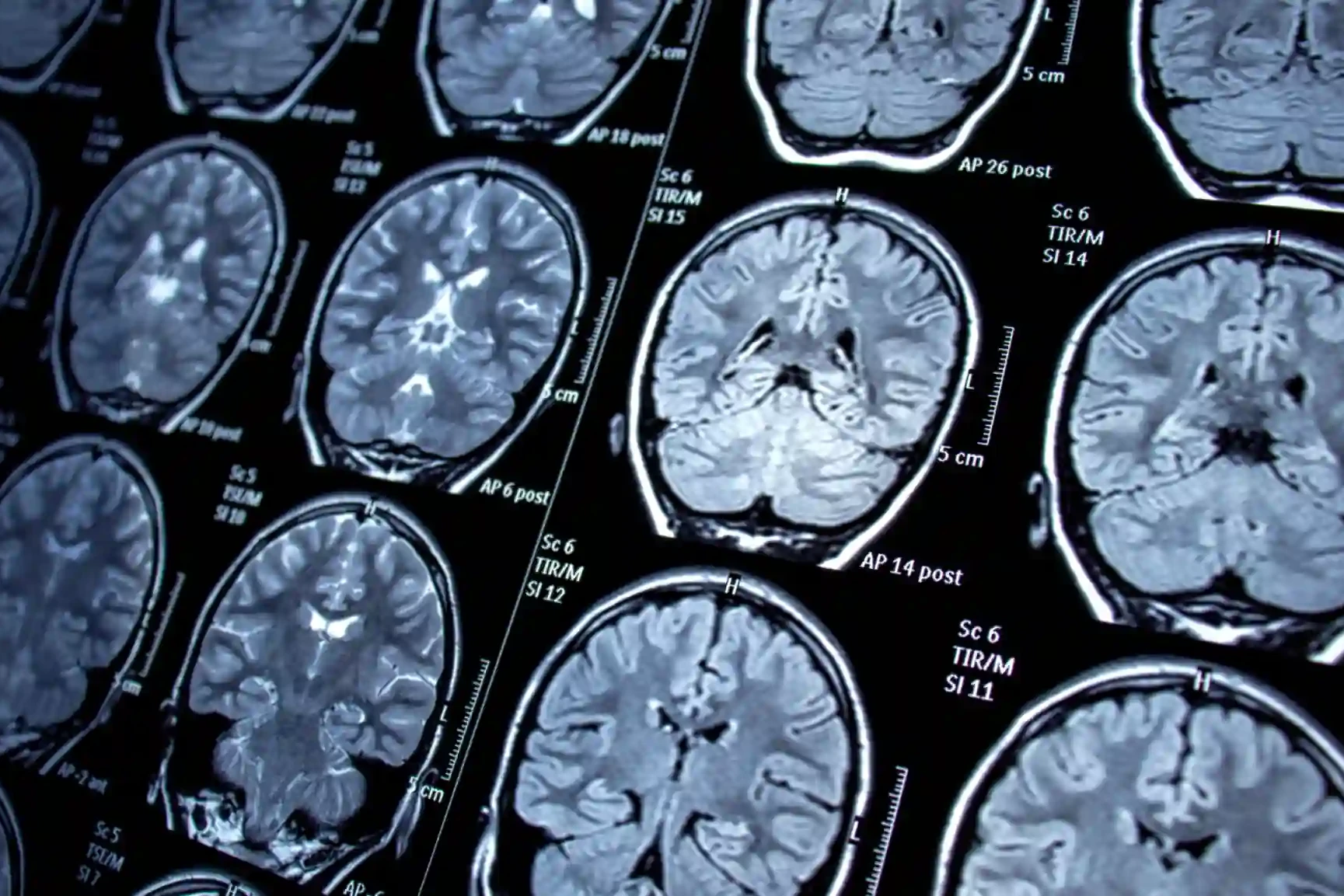
A stroke happens when blood flow to part of your brain is blocked or when a blood vessel in the brain bursts. Without oxygen and glucose, brain cells begin to fail within minutes, which can permanently affect speech, movement, vision, or thinking.
The early warning signs of stroke appear because specific brain areas suddenly stop working as they should. You may notice one side of your face drooping, weakness or numbness in an arm or leg, or trouble speaking clearly or understanding simple words. Vision may blur, darken, or disappear in one or both eyes without pain.
Balance can fail suddenly, causing dizziness, clumsiness, or unexplained falls. Some people experience a sudden, severe headache that feels different from any headache before. Even if symptoms fade, they signal ongoing brain danger and demand immediate medical action.
What Are The Early Warning Signs Of Stroke?
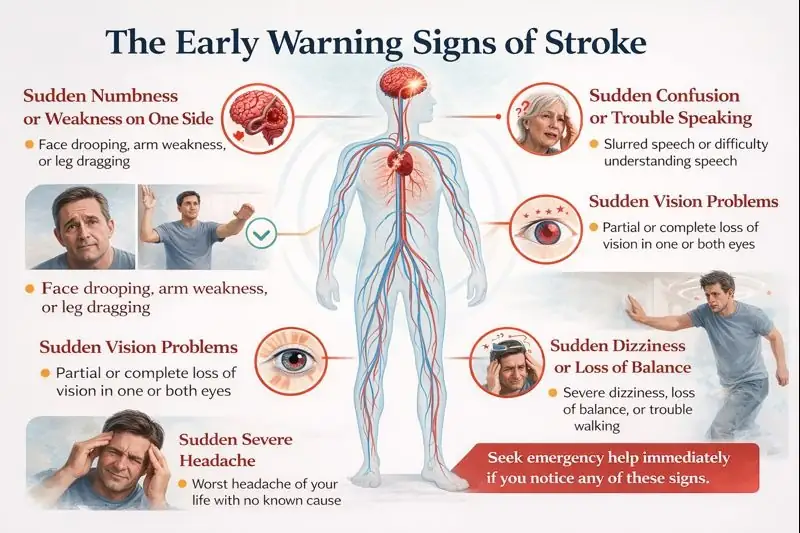
The early warning signs of stroke occur when brain cells lose oxygen due to blocked or ruptured blood vessels. These signs reflect which brain area is affected and often involve movement, speech, vision, or balance changes. Symptoms may appear alone or together and should always be treated as emergencies.
Doctors group these signs based on how the brain is affected.
Sudden Numbness Or Weakness (Face, Arm, Or Leg)
This is one of the most common early warning signs of stroke .
You may notice:
- One side of your face droops when you smile
- One arm feels heavy or weak
- One leg drags while walking
This happens because a stroke often damages only one side of the brain. Each side controls the opposite side of the body. Even mild weakness matters. Many people ignore it because there is no pain.
This symptom is also among the earliest symptoms of a stroke , especially in ischemic stroke (caused by a blocked artery).
Sudden Confusion Or Trouble Speaking
Speech problems signal brain involvement.
You may:
- Slur words
- Speak clearly, but say the wrong words
- Fail to understand simple sentences
This happens when the stroke affects the language centers of the brain. These changes can appear without warning and may come with frustration or fear. Sudden speech trouble is a major warning sign of a sudden stroke , even if you feel otherwise normal.
Sudden Vision Problems In One Or Both Eyes
Vision loss during a stroke is often misunderstood.
You may experience:
- Blurred vision
- Double vision
- Partial blindness
- Complete vision loss in one eye
This happens when the stroke affects the visual pathways. Some people describe it as a curtain dropping over one eye. This is a serious early warning sign of stroke and not an eye problem.
Sudden Dizziness, Loss Of Balance, Or Coordination
Balance problems occur when a stroke affects the brainstem or cerebellum (the balance center).
You may feel:
- Severe dizziness
- Trouble walking straight
- Sudden falls
- Nausea with imbalance
People often confuse this with vertigo or low blood pressure. When dizziness appears suddenly and feels unusual, it becomes a warning sign of a sudden stroke .
Sudden Severe Headache With No Known Cause
This type of headache is different from a usual headache. It:
- Starts suddenly
- Feels intense
- May come with vomiting or confusion
This sign is more common in hemorrhagic stroke (bleeding in the brain). It is a dangerous early warning sign of stroke that needs urgent care.
FAST Signs Of Stroke Explained
The FAST method helps you spot the early warning signs of stroke quickly. It focuses on the most reliable symptoms seen in emergencies.
Face Drooping
Ask yourself or the person to smile. Watch for:
- One side of the face is sagging
- An uneven smile
This happens when facial muscles lose nerve control. Facial drooping is one of the strongest FAST signs of stroke .
Arm Weakness
Raise both arms at the same time. Check if:
- One arm drifts downward
- One arm cannot lift
Arm weakness signals damage to movement pathways in the brain. This sign alone can mean a stroke.
Speech Difficulty
Try saying a simple sentence. Warning signs include:
- Slurred speech
- Inability to speak
- Using the wrong words
Speech difficulty is one of the clearest early symptoms of a stroke and should never be ignored.
Time To Call Emergency Services
Time decides the outcome. If you notice even one FAST sign:
- Call emergency services immediately
- Do not wait for symptoms to pass
Clot-removal treatments work best when given early. Delays lead to permanent damage.
Mini Stroke Early Warning Signs (TIA Symptoms)
A mini-stroke is medically called a transient ischemic attack. Mini strokes cause the same neurological disruptions as full strokes but resolve quickly due to temporary blood flow restoration.
Despite the short duration, early warning signs of a mini stroke indicate unstable brain circulation and predict a high risk of a major stroke within days or weeks.
What Is a Transient Ischemic Attack (TIA)?
A TIA occurs when blood flow to the brain stops briefly and then restores on its own. Symptoms look the same as stroke symptoms, but last less than 24 hours. A TIA causes the same early warning signs of stroke , just for a shorter time.
How TIA Symptoms Differ From A Major Stroke
The difference lies in duration, not importance.
TIA symptoms:
- Resolve within minutes or hours
- Leave no visible brain damage
Stroke symptoms:
- Last longer
- Cause permanent injury
Ignoring warning signs of TIA raises your risk of a full stroke within days.
Why TIAs Are A Medical Emergency
Medical research shows that many major strokes happen shortly after a TIA. The brain is signaling unstable blood flow. The early warning signs of a mini stroke are your final alert. Treating them early prevents severe outcomes.
TIA Warning Signs That Occur Days Or Weeks Before A Stroke
Warning signs of TIA often repeat because blood flow remains partially blocked or unstable. These repeated episodes reflect ongoing vessel disease or clot formation. Each episode increases stroke risk, even if symptoms seem mild or brief.
Temporary Weakness Or Numbness
You may feel:
- Arm weakness that clears
- Leg numbness that fades
These short episodes are not harmless. They signal blocked or narrowed blood vessels.
Short-Lived Speech Or Vision Problems
You may:
- Lose words for minutes
- Experience brief vision loss
These episodes show poor blood flow to the brain. Each event raises future stroke risk.
Sudden Confusion That Resolves Quickly
Mental fog that clears fast still matters. It points to unstable brain circulation and counts as an early warning sign of stroke .
Sudden Stroke Warning Signs Vs Gradual Symptoms
Sudden stroke symptoms usually reflect complete blood vessel blockage or bleeding, while fluctuating symptoms suggest partial blockage. Silent stroke warning signs develop without obvious symptoms but slowly damage brain tissue, leading to memory and thinking problems over time.
Symptoms That Appear Suddenly
These include:
- Paralysis
- Speech loss
- Vision loss
These classic early warning signs of stroke demand immediate action.
Symptoms That Come And Go
Fluctuating symptoms often point to TIAs. Repeated episodes increase the chance of a major stroke.
Silent Stroke Warning Signs
Silent strokes cause no clear symptoms. Over time, they lead to:
- Memory loss
- Thinking problems
- Mood changes
Brain scans often detect them by accident.
How To Recognize A Stroke Quickly At Home
Quick stroke recognition relies on observing function changes rather than pain or vital signs. Loss of movement, speech clarity, or facial symmetry signals disrupted brain control. Early detection at home significantly shortens time to treatment.
Step-By-Step FAST Test At Home
- Smile and check facial movement
- Raise both arms
- Speak a clear sentence
- Call emergency services if any step fails
This simple check helps catch the FAST signs of stroke early.
What Caregivers And Family Members Should Watch For
Watch for:
- Sudden behavior changes
- Trouble swallowing
- Unusual confusion
Do not wait for all symptoms to appear. One sign is enough.
What To Do Immediately If You Notice Stroke Symptoms
When early warning signs of stroke appear, your response decides how much brain damage occurs. Waiting, observing, or hoping symptoms pass is the most common and most dangerous mistake.
When To Call Emergency Services
You should call emergency services immediately if you notice:
- Any early warning signs of stroke , even mild ones
- Symptoms that disappear and then return
- Any positive FAST test result
Emergency teams can start treatment on the way to the hospital. This saves critical time. Driving yourself or waiting for family wastes minutes that the brain cannot afford.
What NOT To Do During A Suspected Stroke
During a suspected stroke, avoid these actions:
- Do not give food, water, or pills
- Do not give aspirin unless a doctor confirms it is safe
- Do not let the person lie down and sleep
- Do not wait for symptoms to “settle.”
Some strokes involve brain bleeding. Giving the wrong medicine can worsen the damage.
Why Every Minute Matters (Golden Hour)
Brain cells begin dying within minutes of oxygen loss. Treatments like clot-dissolving drugs work best when given early. Delays increase:
- Risk of permanent disability
- Risk of death
- Loss of speech, movement, or memory
This is why early warning signs of stroke must trigger immediate action.
Who Is At Higher Risk Of Stroke?
Stroke risk increases when blood vessels are damaged by pressure, sugar, cholesterol, or toxins. Genetic factors also influence clotting and vessel structure. High-risk individuals often experience early warning signs of stroke more subtly.
High Blood Pressure And Heart Disease
High blood pressure damages blood vessels and makes them prone to blockage or rupture. Heart conditions like irregular heartbeat allow clots to form and travel to the brain. These conditions strongly raise the chance of early symptoms of a stroke .
Diabetes And High Cholesterol
Diabetes damages blood vessels from the inside. High cholesterol leads to plaque buildup in arteries. Together, they reduce blood flow to the brain and increase stroke risk.
Smoking, Alcohol, And Lifestyle Risks
Smoking thickens blood and narrows arteries. Heavy alcohol use raises blood pressure. Lack of movement and poor diet worsen all stroke risk factors.
Age, Gender, And Family History
Stroke risk rises with age, but younger people are not protected. Family history increases risk due to shared genetics and habits. Men have slightly higher stroke rates, while women face a higher stroke-related death risk.
Can Stroke Warning Signs Appear Days Before A Stroke?
Yes. Warning signs can appear well before a major stroke due to intermittent blood flow interruption. These early signals indicate progressive vessel narrowing or clot instability and require urgent evaluation to prevent permanent damage.
Warning Signs One Week Before Stroke
You may notice:
- Repeated warning signs of TIA
- Short episodes of weakness
- Brief speech or vision problems
These signs often come and go. Each episode increases danger.
Warning Signs One Month Before Stroke
Some people report:
- Frequent dizziness
- Short vision blackouts
- Episodes of confusion
These subtle early warning signs of stroke often go unchecked until a major stroke occurs.
Stroke Prevention After Early Warning Signs
Prevention targets the root causes of reduced brain blood flow. Controlling blood pressure, heart rhythm, sugar levels, and clot formation lowers recurrence risk. Early prevention after warning signs dramatically improves long-term brain health.
Medical Evaluation After Warning Symptoms
Doctors usually assess:
- Blood pressure level
- Heart rhythm
- Blood sugar and cholesterol
- Brain and blood vessel imaging
This evaluation helps find the cause behind the warning signs of a sudden stroke .
Medications And Risk Factor Control
Doctors may prescribe:
- Blood thinners to prevent clots
- Blood pressure medications
- Cholesterol-lowering drugs
Dosage varies by age and condition. Medication reduces repeat strokes significantly.
Lifestyle Changes To Reduce Stroke Risk
Effective prevention steps include:
- Quitting smoking
- Reducing salt and processed foods
- Staying physically active
- Managing stress
These changes support long-term brain health.
Diagnosis After Stroke: Warning Signs
Diagnosis identifies whether symptoms came from bleeding, blockage, or temporary ischemia. Accurate testing guides treatment decisions and medication choices. Without diagnosis, prevention strategies remain incomplete and ineffective.
Brain Imaging Tests
CT scans and MRI scans show:
- Brain bleeding
- Blocked blood flow
- Areas of brain damage
Imaging confirms whether symptoms came from a stroke or a TIA.
Blood Tests And Heart Evaluation
Doctors check:
- Blood clotting ability
- Blood sugar levels
- Heart rhythm issues
These tests explain why early warning signs of a mini stroke occurred.
TIA And Stroke Confirmation
Confirming a TIA or stroke allows doctors to build a prevention plan. Without diagnosis, repeat strokes remain likely.
Long-Term Outlook After Early Stroke Symptoms
Long-term outcome depends on how fast blood flow is restored and how well risk factors are controlled. Early treatment limits brain damage, while follow-up care prevents repeat strokes. Recovery continues for months with proper management.
Risk Of Future Stroke
After one stroke or TIA, the risk stays high without treatment. Proper care reduces repeat stroke significantly within the first year.
Importance Of Follow-Up Care
Follow-up visits help:
- Adjust medications
- Monitor blood pressure
- Track recovery
Skipping care invites another stroke.
FAQs
Can Stroke Symptoms Come And Go?
Yes. Symptoms that come and go often indicate a TIA. These episodes still count as early warning signs of stroke and require urgent medical evaluation.
Are Mini-Strokes Harmless?
No. Mini-strokes signal unstable blood flow to the brain. Ignoring early warning signs of a mini stroke greatly increases the risk of a major stroke soon after.
Can Young People Have Stroke Warning Signs?
Yes. Stroke can affect young adults due to genetics, heart conditions, infections, or lifestyle factors. Age does not cancel early symptoms of a stroke .
How Fast Should I Act If Symptoms Disappear?
You should act immediately. Disappearing symptoms often mean a TIA. Treat it as an emergency and seek care right away.
How Can A Stroke Be Recognized Quickly At Home?
Use the FAST test. Check for face drooping, arm weakness, and speech difficulty. These are reliable FAST signs of stroke used worldwide.
How Do You Perform The FAST Test At Home?
Ask the person to smile, raise both arms, and speak clearly. If any step fails, call emergency services without delay.
What Should Caregivers Or Family Members Watch For?
Watch for sudden weakness, speech trouble, vision loss, confusion, or imbalance. Even one sign can be an early warning sign of stroke .
What Should You Do Immediately If Stroke Symptoms Appear?
Call emergency services at once. Do not wait, observe, or self-treat. Fast action protects brain tissue.
What Should NOT Be Done During A Suspected Stroke?
Do not give food, drinks, or medication without consulting a doctor. Do not delay care or assume symptoms will pass.
Why Does Every Minute Matter In Stroke Treatment?
Brain cells die rapidly without oxygen. Faster treatment limits damage and improves survival and recovery.
Who Is At Higher Risk Of Stroke?
People with high blood pressure, diabetes, heart disease, smoking habits, or a family history face a higher risk and should watch closely for early warning signs of stroke .
About The Author

Medically reviewed by Dr. Chandril Chugh, MD, DM (Neurology)
Dr. Chandril Chugh is a U.S.-trained, board-certified neurologist with expertise in diagnosing and managing neurological disorders, including migraines, epilepsy, Parkinson’s disease, and movement disorders. His clinical focus includes evidence-based neurological care and patient education.
All content is reviewed for medical accuracy and aligned with current neurological guidelines.