sinus neck pain often surprises people. It starts in your sinuses (the hollow spaces around your nose and forehead) and ends up making your neck sore. When the sinuses get blocked or inflamed, they build pressure that reaches the muscles and nerves around your neck. Knowing why this happens, what it feels like, and how to treat it will help you get relief faster.
What Is Sinus Neck Pain?
The term sinus neck pain refers to discomfort or stiffness in your neck that comes from issues in your sinus cavities (the spaces in the skull around your nose and eyes). While most people link sinuses with facial pain or a stuffy nose, your neck can also get involved. Here’s how.
How sinus pressure builds and affects?
Inside your skull, you have sinus cavities filled with air and mucus. When they drain well, they stay healthy. But if they fill up (say, with thick mucus or swelling), the pressure goes up. That pressure presses against nearby tissue and muscles. These nearby muscles respond by tightening. That tension creates or adds to neck pain.
Sinuses, nerves, and neck tension
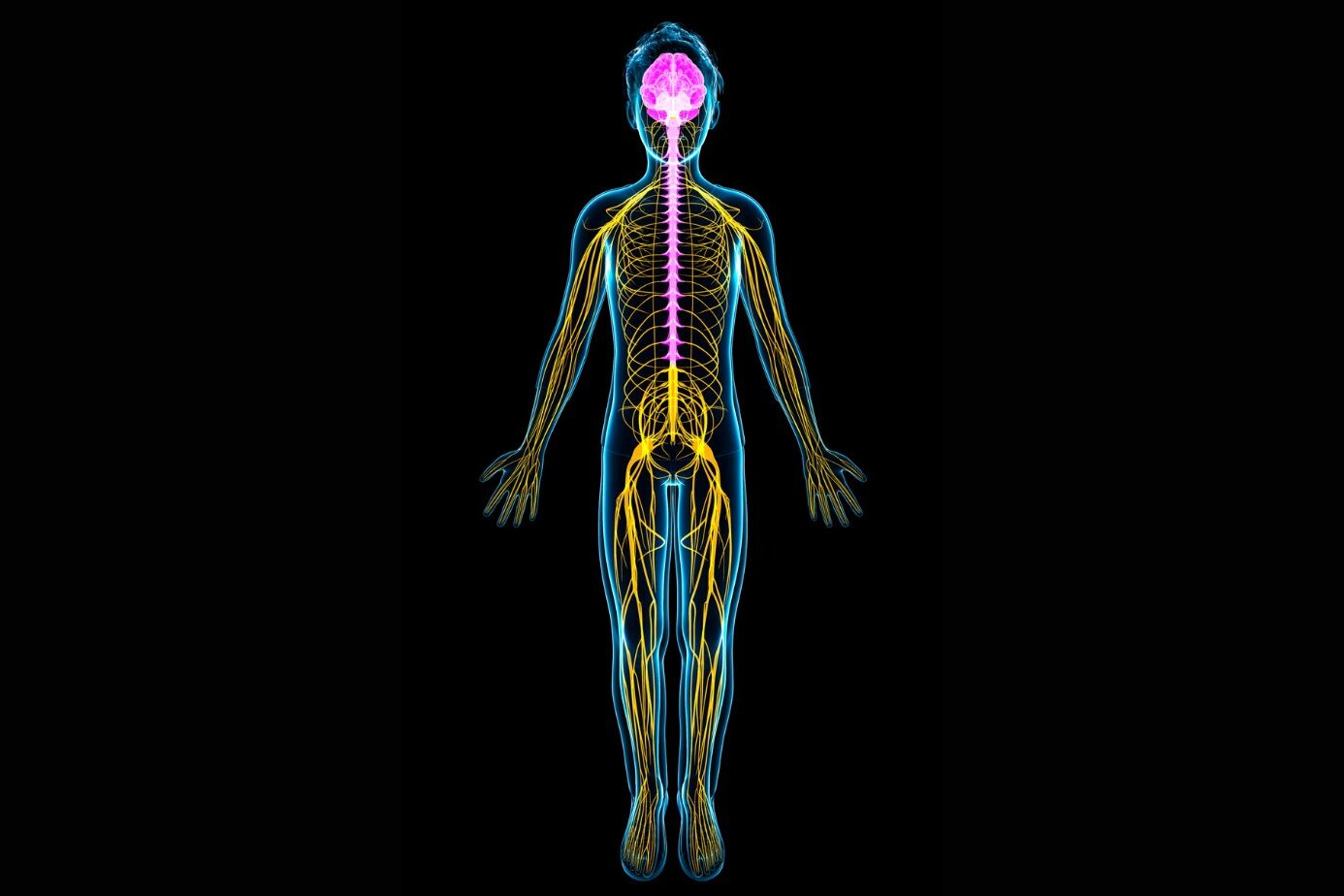
Your sinuses and neck share nerve paths. For example, the nerves that report pain from your sinuses may also send that pain signal as neck pain. This is called referred pain when one problem shows up in a different area. When the sinuses are irritated or inflamed, they can send nerve signals that your brain perceives as neck pain.
How sinus congestion triggers pain?
When you’re congested, your sinuses swell, mucus gets trapped, and inflammation starts. These changes irritate the tissues and nerves in and around the sinuses. Because the same nerves can connect to the neck, your brain may interpret the pain as coming from your neck muscles instead of just the sinuses. That’s why neck pain from sinus pressure happens.
Common Causes of Sinus-Related Neck Pain
There are a number of triggers that lead to sinus neck pain. Understanding them helps you avoid them or catch the issue early.
1. Sinus infections
When a virus or bacteria gets into your sinus cavities, the linings swell (inflammation) and block drainage. That causes buildup of mucus, pressure, and pain. This is often the beginning of sinus infection neck pain.
2. Allergies
Allergens like pollen or dust can cause the sinuses to react. Swelling and thicker mucus result. The added pressure can trigger neck muscle tension and referred pain.
3. Weather or seasonal changes
Cold weather, dry air, or sudden shifts in humidity make mucus thicker or slower to drain. Poor drainage can lead to more buildup and more pressure transferred to neck areas.
4. Fluid retention and swelling
When your body retains fluid (from lying down, from diet, or from poor circulation), sinus tissues may swell. That swelling raises pressure inside the sinus cavities and reaches neck structures.
5. Tense neck and shoulder muscles
When your sinuses hurt, you might hold your head in strange positions to avoid pain or you may sleep badly. That causes the neck and shoulder muscles to tighten and hurt. It feeds into the cycle to treat sinus neck pain.
6. Poor posture
When you feel congested or you have a headache, you might slump or push your head forward. That posture forces neck muscles to work harder and leads to more stiffness and pain.
7. Secondary infection
If you have repeated sinus issues or chronic sinusitis (infection lasting long or coming back), neck pain becomes more likely. Long-term swelling and pressure mean longer-term muscle loading.
Symptoms of Sinus Neck Pain
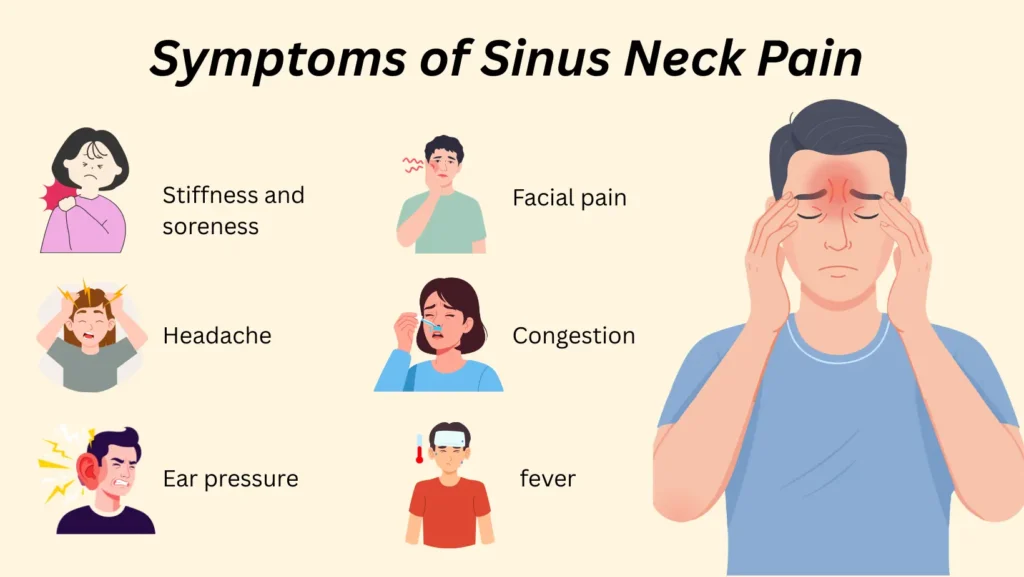
Here are the common signs you might be dealing with sinus neck pain rather than just a muscle strain or ordinary neck ache.
Stiffness and soreness
You may feel like you can’t turn your head easily. The muscles where your skull meets your neck feel tight and sore. That is characteristic of sinus-related neck discomfort.
Facial pain
Often your face will hurt too. You might feel pressure around your forehead, between your eyes, or in your cheeks. This suggests the sinuses are involved.
Headache
If your head hurts more when you bend forward, it might be because bending shifts the fluid or mucus in the sinus cavities, increasing pressure. This often produces neck pain from sinus pressure.
Congestion
Blocked nose or mucus dripping down the back of your throat (post-nasal drip) are sinus signs. When you see those with neck pain, you should suspect sinus involvement.
Ear pressure
The sinuses sit close to ear and jaw structures. If you feel ear fullness or jaw ache with neck stiffness, sinuses are likely involved.
Fatigue, fever, or facial swelling
If your infection is bad, you may feel very tired, have a fever or notice swelling around your nose, cheeks, or eyes. That signals you might have a serious case of sinus infection and neck pain.
Why Sinus Pressure Leads to Neck Pain
Let’s break down the mechanisms behind how sinus issues create neck discomfort.
Referred pain
Because of the shared nerve routes, pain originating in the sinus cavities may appear in your neck muscles. Your brain may misattribute the pain source ,and you end up feeling neck soreness.
Inflammation
Sinus swelling releases inflammatory chemicals (substances that the body uses to fight infection or allergy). These chemicals irritate nearby muscle tissues and cause them to tighten. Tight muscles causes neck pain.
Poor lymphatic drainage
Your lymphatic system helps clear fluid and waste from tissues. When sinuses are congested, drainage slows. Fluid and swelling build up, raising pressure that pushes into neck tissues.
Head-forward posture
When you’re sick or congested, you may lean forward, use your phone or laptop a lot while seated poorly, or simply rest your head on your hand. These positions strain the neck muscles, especially when you’re already tense.
How to Relieve Sinus Neck Pain
Here are practical and natural ways to ease your sinus neck pain and help your sinuses clear out.
1. Apply warm compresses
A warm, damp towel over the neck and cheeks relaxes tight muscles and encourages sinus drainage. Use for about 10 to 15 minutes, repeat 2–3 times a day.
2. Use a humidifier
Moist air helps mucus thin and flow more easily. Use a humidifier in your room or take 5–10 minutes inhaling steam over a bowl of hot water (cover your head with a towel).
3. Stay hydrated
Drink plenty of water and avoid excessive caffeine and alcohol. Thin mucus drains better, reducing pressure.
4. Practice gentle stretches
Slowly tip your ear to your shoulder on both sides, roll your shoulders backward, and gently turn your head side to side. These moves ease muscle tightness and support drainage.
5. Try saline rinses
Using a saline (salt-water) rinse or nasal spray clears mucus from your nasal passages. This helps lower pressure in your sinuses and thus relieves sinus neck pain.
6. Maintain proper posture
Sit up straight, avoid hunching, keep your head aligned with your spine. Good posture reduces the burden on neck muscles especially when sinuses are active.
7. Avoid lying flat
When your sinuses are blocked, lying completely flat can make drainage worse. Prop your head up with an extra pillow or two to help mucus flow downward instead of accumulating.
Home Remedies for Sinus-Related Neck Pain
These additional home methods can support the main relief steps. They are gentle and add value to your recovery.
Warm saltwater gargle
Gargle with warm water mixed with a half-teaspoon of salt. This soothes throat irritation from post-nasal drip and reduces tension in neck muscles from throat strain.
Ginger and turmeric tea
Make a warm tea with ginger or turmeric. These herbs help reduce the body’s inflammation. Lower inflammation reduces sinus swelling and also eases neck pain.
Use eucalyptus oil
Add a few drops of eucalyptus essential oil into hot water, inhale the steam for a few minutes to help open sinuses. (Don’t apply oil directly to skin.)
Massage upper neck muscles
Use your fingers or a soft ball to massage the area where your skull joins your neck and the upper shoulders. The muscle release helps reduce neck pain from sinus pressure.
Sleep with head slightly elevated
Use a wedge pillow or two pillows to raise your head a little while you sleep. Better drainage during rest means less sinus pressure and less neck strain when you wake.
When to See a Doctor for Sinus Neck Pain
If your condition crosses certain thresholds, you should get professional care. Do not assume it will always resolve on its own.
Neck pain with high fever
If you have a fever, or your neck pain feels sharp or severe, it could mean the infection is spreading. Get medical help.
Pain radiating to shoulders
If neck pain moves into your shoulders or upper back, it may be more than simple sinus pressure. It could hint at underlying spinal or muscular issues.
Swelling behind the ears or eyes
These symptoms may indicate a more serious infection – a doctor’s exam is needed.
Recurrent sinus infections
If you keep having sinus problems and neck pain even after trying home treatments, it may be time for a specialist. Chronic cases may need deeper intervention.
Dizziness, double vision, or severe headaches
Vision changes, dizziness, or headaches beyond normal suggest complications. Visit a healthcare provider immediately.
Prevention Tips for Sinus Neck Pain
It’s better to avoid the pain than simply treat it when it arrives. These suggestions help prevent sinus neck pain from starting.
Keep your sinuses clear
If you have allergies, treat them early. Don’t wait for the symptoms to pile up. Using allergy medication or avoiding triggers prevents sinus swelling.
Stay hydrated
Dry air thickens mucus. Use a humidifier when indoor air is dry. Drink water throughout the day to keep mucus thin.
Maintain good posture
Spend time checking your posture – especially when you’re using screens, reading, or resting. A forward head posture adds load to your neck muscles during times of sinus congestion.
Use ergonomic pillows
Choose a pillow that keeps your head level with your spine. A poorly chosen pillow can worsen neck tension when sinuses are acting up.
Avoid excessive air conditioning
Cold, dry air or very strong air-conditioning can aggravate sinus tissues. Dress appropriately and limit exposure to extremes of temperature.
FAQs
Can sinus infections really cause neck pain and stiffness?
Yes. Sinus infections raise pressure in your sinus cavities and irritate nerves and muscle tissue. That process can create neck pain and stiffness as part of sinus infection neck pain.
How do I know if my neck pain is from sinuses or posture?
If your neck pain appears alongside a blocked nose, facial pressure, worsens when you bend, it likely ties to sinuses. If it starts without sinus symptoms and follows long poor posture it may be posture-related.
How long does sinus neck pain last?
If treated early with home care, it may resolve in a few days. If the underlying sinus issue is strong (like a bacterial infection), the sinus neck pain may last one to two weeks or more until the sinus clears.
What’s the fastest way to relieve sinus-related neck pressure?
A warm compress on your neck and face plus steam inhalation and hydration thin mucus. Then add gentle neck stretches and raise your head when lying down. These steps reduce how to treat sinus neck pain quickly.
Does massage help sinus neck pain?
Yes. Gentle massage of the neck and base of skull reduces muscle tension caused by sinus pressure. However it doesn’t clear the sinus blockage itself, so it works best in combination with drainage and hydration.
About The Author

Medically reviewed by Dr. Chandril Chugh, MD, DM (Neurology)
Dr. Chandril Chugh is a U.S.-trained, board-certified neurologist with expertise in diagnosing and managing neurological disorders, including migraines, epilepsy, Parkinson’s disease, and movement disorders. His clinical focus includes evidence-based neurological care and patient education.
All content is reviewed for medical accuracy and aligned with current neurological guidelines.