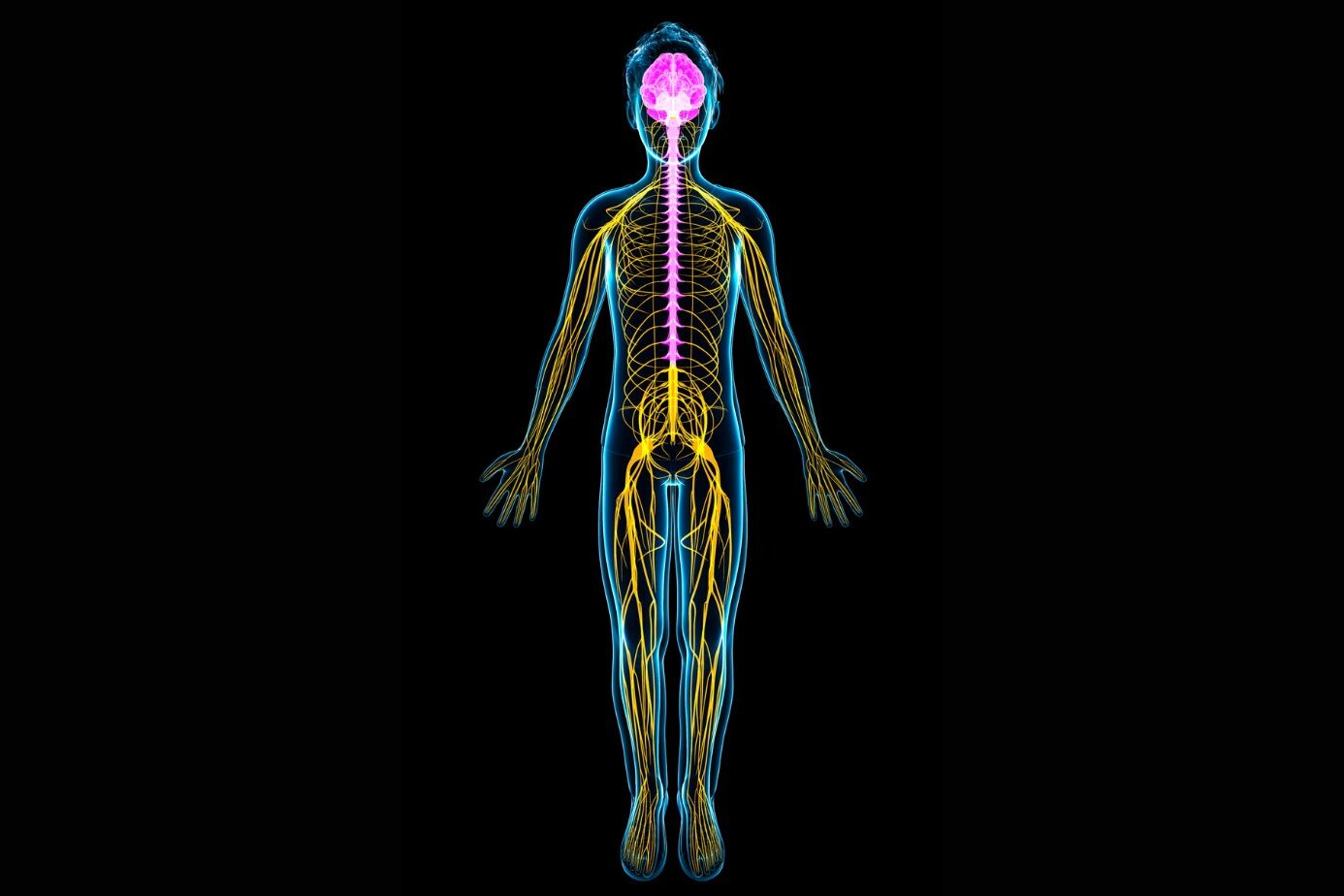
Some nerve damage does reverse. Some do not. The outcome depends on the type of nerve affected, how long the damage has been there, and what caused it. Peripheral nerves, the ones in your hands, feet, and limbs, do regenerate. Central nervous system damage, in the brain or spinal cord, is far harder to reverse.
Early detection changes everything. Nerves heal slowly, roughly 1 millimeter per day. Waiting months or years before addressing the cause makes full recovery significantly less likely. This is also why early use of interventional pain management approaches can matter in certain cases, especially when structural compression or chronic pain cycles are involved.
How Long Does It Take for a Damaged Nerve to Heal?
Minor nerve damage heals in weeks. Moderate damage takes 3 to 6 months. Severe nerve injuries take 1 to 3 years, sometimes longer. Recovery speed depends on the nerve’s length and the distance signals must travel to reach the affected area. Longer nerves, like those reaching the feet, heal slowest.
What Is the First Stage of Nerve Damage?
The first stage is sensory change. Before pain appears, most people notice tingling, mild numbness, or a “pins and needles” feeling, usually in the hands or feet. This signals that the nerve’s outer protective layer is irritated but the nerve fiber itself is still intact. It is the easiest stage to treat.
What Are the Four Most Common Causes of Nerve Damage?
The four most common causes are diabetes, physical injury, infections, and autoimmune diseases. Diabetes accounts for roughly 30% of all peripheral neuropathy cases globally. Physical compression from injuries like herniated discs ranks second. Infections like shingles and Lyme disease directly damage nerve fibers. Autoimmune conditions like lupus attack nerves through misdirected immune responses.
What Are the Diseases That Cause Nerve Damage?
- Diabetes (diabetic neuropathy)
- Shingles (post-herpetic neuralgia)
- Lyme disease
- Lupus
- Rheumatoid arthritis
- Guillain-Barre syndrome
- Multiple sclerosis
- Charcot-Marie-Tooth disease (inherited)
- Hypothyroidism
- Chronic kidney disease
Hypothyroidism, as a nerve damage cause, gets overlooked often. An underactive thyroid causes fluid buildup that compresses nerves, producing symptoms identical to standard neuropathy.
What Age Does Neuropathy Usually Start?
Neuropathy most commonly starts after age 55. But diabetic neuropathy appears earlier, sometimes in people in their 30s and 40s with poorly managed blood sugar. Hereditary neuropathy, like Charcot-Marie-Tooth disease, shows up in childhood. Age is not the only factor. Duration of the underlying condition matters more.
What Can Be Mistaken for Nerve Damage?
Several conditions mimic nerve damage closely:
- Peripheral artery disease (reduced blood flow causing leg pain and numbness)
- Raynaud’s disease (cold-triggered numbness in fingers)
- Vitamin B12 deficiency (tingling, weakness, balance issues)
- Fibromyalgia (widespread pain without nerve injury)
- Tarsal tunnel syndrome (often misdiagnosed as diabetic neuropathy)
B12 deficiency is the most commonly missed. It produces textbook neuropathy symptoms and fully reverses with supplementation if caught early.
How Do You Know If You Have Permanent Nerve Damage?
Permanent damage is likely when symptoms have been present for over 2 years with no improvement, when the nerve shows no electrical activity on testing, or when the cause remains uncontrolled. Loss of reflexes and muscle wasting in the affected area are strong signs that the nerve is no longer functioning.
What Tests Are Done for Nerve Damage?
- Electromyography (EMG): measures electrical activity in muscles
- Nerve conduction study (NCS): checks how fast signals travel through nerves
- Skin biopsy: counts small nerve fiber density
- Blood tests: check B12, blood sugar, thyroid, and kidney function
- MRI: identifies nerve compression from discs or tumors
NCS and EMG together are the most accurate combination for diagnosing and grading peripheral neuropathy severity.
What Does It Feel Like When Nerve Damage Is Repairing?
Healing nerve damage produces uncomfortable sensations. Most people describe increased tingling, brief electric shock feelings, and a “crawling” sensation under the skin. This is normal. It means the nerve is sending new signals as it regrows. Pain during healing often feels different from the original numbness, sharper and more intermittent.
What Are Signs That Nerve Damage Is Healing?
- Tingling that moves, rather than stays fixed in one spot
- Gradual return of sensation in previously numb areas
- Reduction in burning pain intensity
- Improved balance or grip strength
- Warmer skin temperature in affected limbs
The order of recovery typically goes: pain reduces first, then sensation returns, then strength improves last.
How Many Years Does It Take for Nerves to Heal?
Nerves regenerate at 1 to 2 millimeters per day. A nerve damaged at the knee that needs to reach the foot, a distance of roughly 400 millimeters, takes close to a year just to bridge the gap, and additional months to fully restore function. Severe cases regularly take 2 to 4 years.
What Do Doctors Do for Nerve Damage?
Doctors focus on stopping the cause first. For diabetic neuropathy, they tighten blood sugar control. For compressed nerves, they address the compression through physical therapy or surgery. For autoimmune-related damage, they use medications that calm immune activity. Symptom management uses gabapentin, pregabalin, or duloxetine for pain while the underlying repair happens.
What Are Common Treatments for Nerve Damage?
- Gabapentin and pregabalin for nerve pain
- Duloxetine (an antidepressant also approved for neuropathic pain)
- Transcutaneous electrical nerve stimulation (TENS)
- Physical therapy to maintain muscle function and circulation
- Surgery to relieve nerve compression (carpal tunnel, herniated discs)
- Alpha-lipoic acid supplementation (300 to 600 mg daily, strong clinical evidence for diabetic neuropathy)
Alpha-lipoic acid gets far less attention than it deserves. Multiple European clinical trials show it reduces neuropathy symptoms measurably within 3 to 5 weeks.
Can B12 Repair Nerve Damage?
Yes, if B12 deficiency caused the damage and treatment starts early. B12 is essential for myelin, the protective coating around nerves. Without it, myelin breaks down and signals misfire. Correcting deficiency with methylcobalamin, the most absorbable form, stops further damage and supports myelin repair. Long-standing deficiency with severe damage does not fully reverse.
How Do You Repair Nerve Damage Naturally?
These approaches form the foundation of most natural remedies for nerve pain , especially when the damage is metabolic or inflammation-driven rather than structural.
- Fix B12 deficiency with methylcobalamin (1000 mcg daily)
- Take alpha-lipoic acid (600 mg daily), shown to reduce oxidative nerve damage
- Control blood sugar tightly if diabetes is present
- Add magnesium glycinate to reduce nerve excitability
- Do low-impact exercise daily to improve blood flow to nerve tissue
- Cut alcohol completely, as it directly destroys peripheral nerve fibers
Nutrition also matters more than most people realize. Prioritizing the best food for nerve repair , such as those rich in B vitamins, omega-3 fatty acids, and antioxidants, directly supports myelin regeneration and reduces oxidative stress on nerve tissue.
Alcohol elimination alone produces noticeable neuropathy improvement within 3 to 6 months in people with alcohol-related nerve damage.
About The Author

Medically reviewed by Dr. Chandril Chugh, MD, DM (Neurology)
Dr. Chandril Chugh is a U.S.-trained, board-certified neurologist with expertise in diagnosing and managing neurological disorders, including migraines, epilepsy, Parkinson’s disease, and movement disorders. His clinical focus includes evidence-based neurological care and patient education.
All content is reviewed for medical accuracy and aligned with current neurological guidelines.