Anxiety disorders cover a wide range of experiences, from constant low-level dread to sudden terror with no warning. There are 11 recognized anxiety disorders, each with different triggers, symptoms, and treatments.
GAD responds to CBT and lifestyle changes. Panic disorder responds best to exposure therapy. Specific phobias rarely need medication at all.
Getting the right diagnosis is the difference between years of ineffective treatment and an approach that actually works. This is also where people start asking questions like, “Is anxiety a neurological disorder?”, especially when symptoms feel physical and uncontrollable.
What Are the 11 Anxiety Disorders?
The 11 clinically recognized anxiety disorders are:
- Generalized Anxiety Disorder (GAD)
- Panic Disorder
- Social Anxiety Disorder
- Specific Phobia
- Agoraphobia
- Separation Anxiety Disorder
- Selective Mutism
- Substance-Induced Anxiety Disorder
- Anxiety Due to a Medical Condition
- Other Specified Anxiety Disorder
- Unspecified Anxiety Disorder
Each one runs on a different mechanism. GAD is constant low-grade worry. Panic Disorder produces sudden terror. Social Anxiety is fear specific to judgment from others. Same word, very different experiences.
What Is High-Functioning Anxiety?
High-functioning anxiety is not an official diagnosis, but it’s real. People with it appear productive and composed on the outside while running on fear internally. They meet deadlines, show up, and perform well. The anxiety drives the output. Most people around them have no idea that anything is wrong.
What Is the Root Cause of Anxiety?
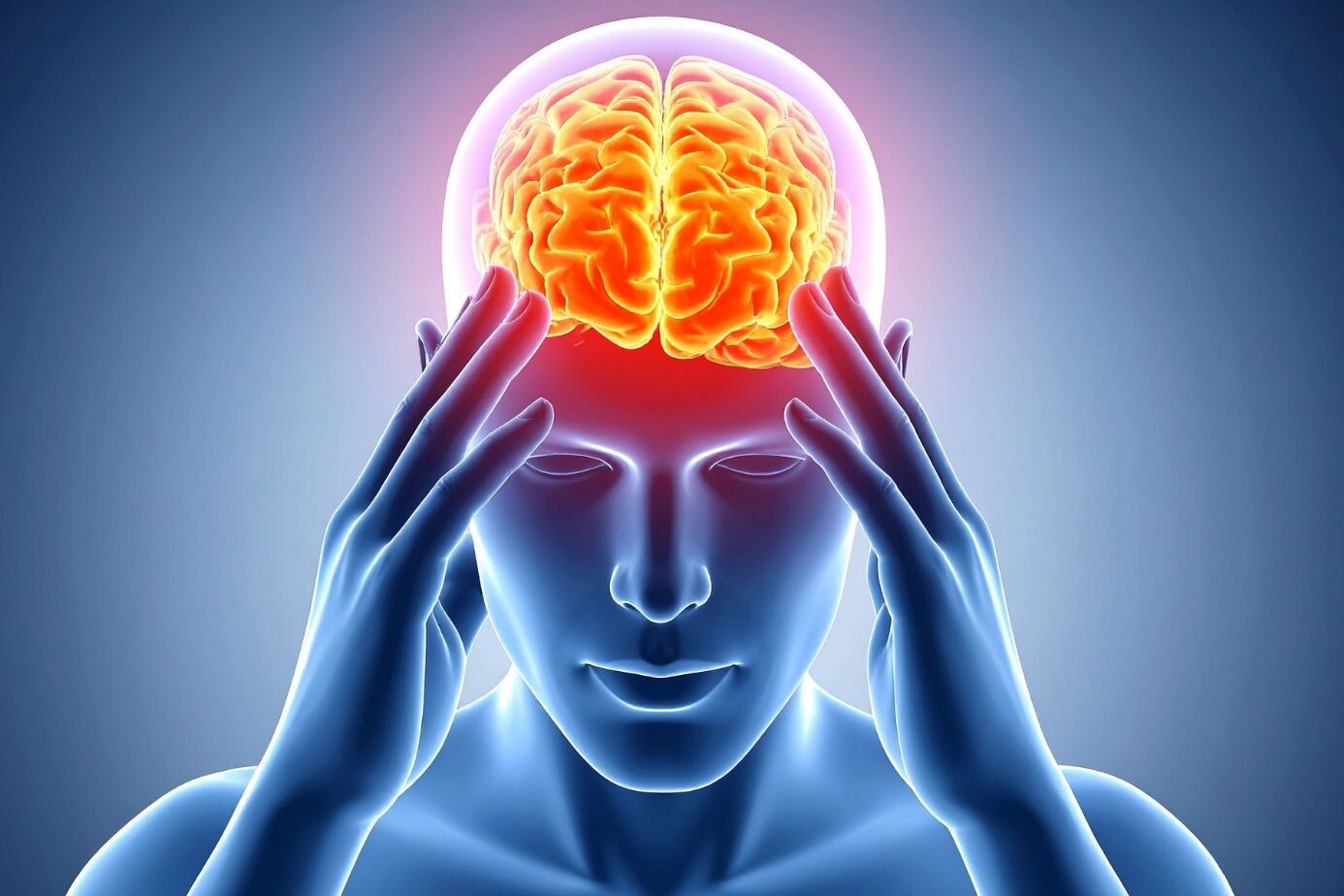
The root cause is a dysregulated threat response. Your amygdala, the brain’s alarm system, fires danger signals at things that aren’t dangerous. This happens due to genetics, early trauma, chronic stress, or nutrient deficiencies affecting brain chemistry. It’s biological, not a personality flaw or weakness.
In many cases, this pattern traces back to anxiety from childhood trauma, where the nervous system learns to stay on high alert long before adulthood.
What Are Anxiety Attack Symptoms?
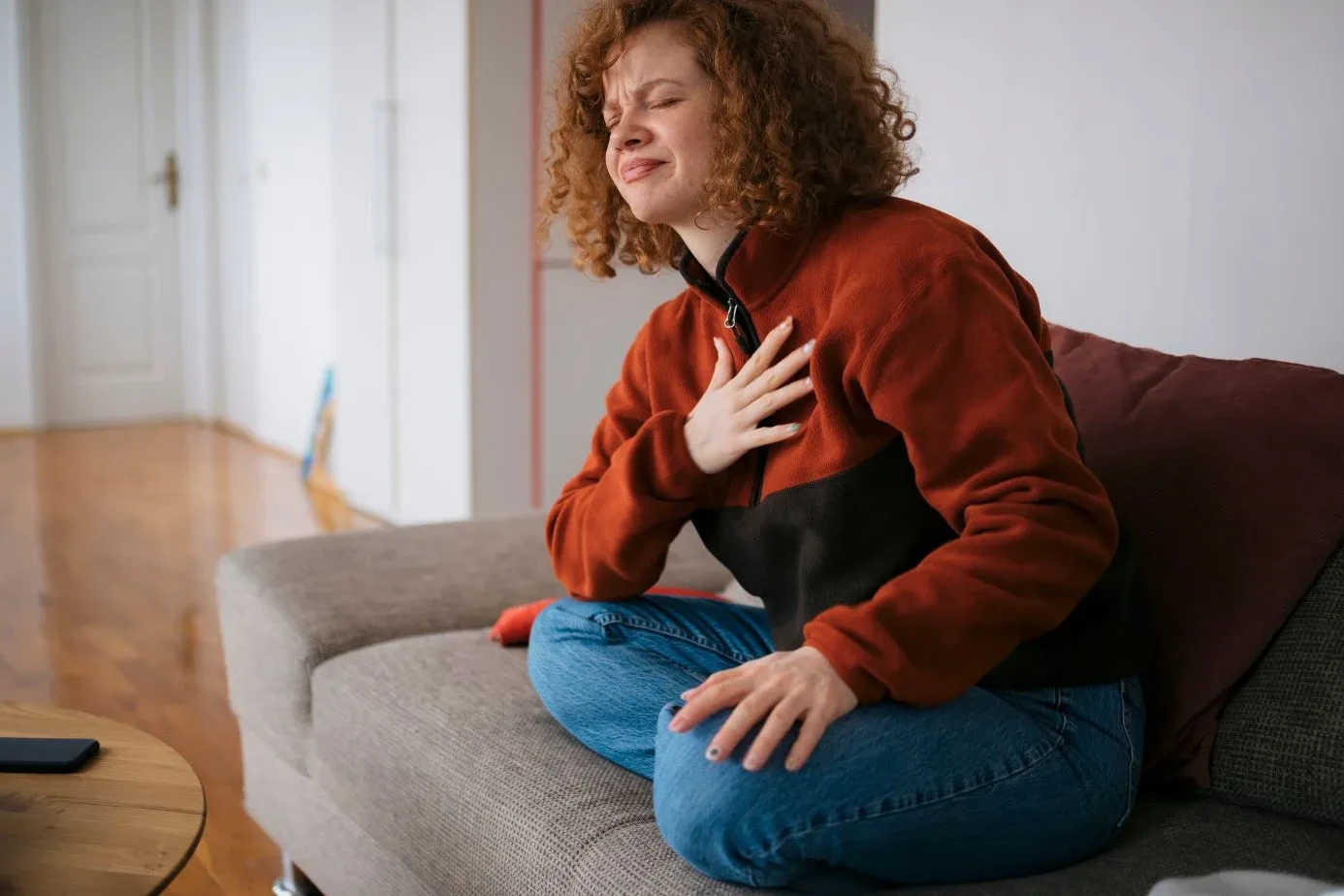
- Racing or pounding heartbeat
- Chest tightness or pain
- Shortness of breath
- Dizziness or feeling faint
- Shaking or trembling
- Sweating without physical cause
- Numbness or tingling in hands
- Feeling detached from your surroundings
- Intense fear that something terrible is about to happen
Anxiety attacks differ from panic attacks in intensity. Panic attacks peak within 10 minutes. Anxiety attacks build more slowly and last longer.
The physical symptoms, especially shaking and trembling, make knowing how to stop shaking from anxiety important.
What Happens When Anxiety Is Too High?
At severe levels, anxiety crosses into physical illness territory. Cortisol stays chronically elevated, which suppresses immune function, raises blood pressure, and disrupts gut health. Cognitive function drops. Memory suffers. Sleep collapses. The brain enters a near-constant threat state, which makes ordinary tasks feel genuinely dangerous.
What Are the Symptoms of the Last Stage of Anxiety?
Chronic, untreated anxiety eventually produces emotional numbness rather than acute fear. The person stops avoiding situations because they stop caring about much at all. Physical exhaustion, persistent brain fog, and social withdrawal dominate. This stage is frequently misread as depression, and sometimes it becomes depression.
Why Is Anxiety Worse in the Morning?
Cortisol peaks naturally within 30 to 45 minutes of waking. This is called the cortisol awakening response. In people with anxiety disorders, this peak is sharper and higher than normal. That’s why dread, racing thoughts, and physical tension hit hardest before the day has even started.
What Foods Cause Anxiety and Panic Attacks?
Caffeine raises cortisol and directly triggers anxiety symptoms, especially in people sensitive to adenosine changes. High-sugar foods cause blood sugar spikes followed by crashes that produce shakiness and heart pounding, which mimic panic symptoms. Alcohol disrupts GABA pathways and worsens anxiety the morning after. Processed foods high in seed oils raise systemic inflammation, which correlates with higher anxiety scores.
What Vitamins Help With Anxiety?
Magnesium glycinate reduces neurological overexcitability by calming glutamate activity. Vitamin D deficiency is directly linked to anxiety disorders in multiple large population studies.
B6 is required to produce GABA, the brain’s main calming chemical. Without adequate B6, the brain loses its primary brake system. All three are worth testing before starting any medication.
Is Depression Caused by Anxiety?
Anxiety doesn’t directly cause depression, but untreated anxiety produces it over time. Chronic exhaustion from hypervigilance, social withdrawal, and sleep deprivation eventually deplete dopamine and serotonin. Studies show that 60% of people with an anxiety disorder develop depression within a few years if the anxiety goes unaddressed.
What Is the Best Cure for Anxiety?
No single cure works for all 11 types. Cognitive Behavioral Therapy has the strongest evidence across most anxiety disorders. Exposure therapy is the most effective for phobias and panic disorder specifically. SSRIs like sertraline work well long-term. The best outcome comes from combining therapy with lifestyle changes, not medication alone.
How to Treat Anxiety Without Medication?
CBT with a licensed therapist is the first option. Regular aerobic exercise at 30 minutes, four times weekly, reduces anxiety scores comparably to low-dose medication in several trials.
Magnesium glycinate and ashwagandha each have randomized controlled trial support. Sleep consistency, caffeine reduction, and daily cold water exposure also produce measurable results.
What Is the Best Morning Routine for Anxiety?
Wake at the same time daily. Get sunlight within 20 minutes of waking. This stabilizes the cortisol awakening response and anchors your circadian rhythm. Avoid checking your phone for the first 30 minutes. Eat within 45 minutes of waking to stabilize blood sugar. These four actions reduce morning cortisol spikes measurably.
What Is the 5-5-5-30 Morning Routine?
The 5-5-5-30 routine is: 5 minutes of deep breathing, 5 minutes of light stretching, 5 minutes of journaling or thought-dumping, then 30 minutes of aerobic exercise. Each element targets a different anxiety driver. Breathing resets the nervous system. Exercise burns excess cortisol. Journaling clears mental clutter before the day builds more of it.
Can I Live a Normal Life With an Anxiety Disorder?
Yes. Around 40 million adults in the United States alone manage anxiety disorders while holding jobs, raising families, and maintaining relationships. The people who function well are usually those who treat it directly rather than avoiding it. Untreated anxiety shrinks life. Treated anxiety does not have to.
This is also where the question “Is Anxiety a disability?“ comes up. Clinically, it can be considered one when it significantly impairs daily functioning, but with proper treatment, many people regain full capacity.
Can You Go Back to Normal After Anxiety?
Most people do. CBT produces full remission in 50 to 60% of people with generalized anxiety disorder after 12 to 16 sessions. Panic disorder has even higher remission rates with targeted exposure therapy. The nervous system is adaptable. Recovery is not about never feeling anxious again. It’s about anxiety losing its control over your decisions.
About The Author

Medically reviewed by Dr. Chandril Chugh, MD, DM (Neurology)
Dr. Chandril Chugh is a U.S.-trained, board-certified neurologist with expertise in diagnosing and managing neurological disorders, including migraines, epilepsy, Parkinson’s disease, and movement disorders. His clinical focus includes evidence-based neurological care and patient education.
All content is reviewed for medical accuracy and aligned with current neurological guidelines.