Sleep disorders are treatable. Most cases respond to behavioral changes, targeted supplements, or medical interventions, depending on the root cause. The fix is almost never “just go to bed earlier.” Getting consistent 8 hours of sleep is often the outcome of fixing the underlying issue.
What is the first step to treating a sleep disorder?
Figure out why you are not sleeping. Neck pain, anxiety, sleep apnea, and poor room conditions all need different treatments. Treating symptoms without knowing the cause wastes time. A doctor visit or sleep study gives you the right starting point.
For parents, tips for newborns to sleep through the night are less about strict schedules and more about feeding timing, light exposure, and gradual rhythm-building.
Is insomnia actually a sleep problem or an anxiety problem?
For many people, it is an anxiety problem wearing a sleep mask. If you search for sleep fixes all day, cannot nap, or feel wired at bedtime, your nervous system is on high alert. Treating the anxiety, not just the sleep, is what breaks the cycle.
What is CBT-I and does it actually work?
CBT-I (Cognitive Behavioral Therapy for Insomnia) is the gold-standard treatment for chronic insomnia. It rewires the mental connection between your bed and wakefulness. Studies show it works better than sleeping pills long-term. You do not need a therapist to start. Books like Sink Into Sleep by Judith Davidson explain the method.
What does sleep restriction therapy do that other methods do not?
Sleep restriction therapy compresses your sleep window to build real sleep pressure. It feels brutal at first. But it trains your brain to stop associating the bed with lying awake. Most people see results in two to three weeks. It works even when pills stop working.
Should you get out of bed when you cannot sleep?
Yes. Lying there stressed about not sleeping makes the problem worse. If you are awake and anxious after 20 to 30 minutes, get up. Do something dull in dim light. Go back only when you feel sleepy. Repeated bed-wakefulness associations are hard to undo.
What is magnesium glycinate and why does it help sleep?
Magnesium glycinate is a specific form of magnesium that absorbs faster than magnesium oxide or citrate. It calms the nervous system by regulating GABA, a brain chemical that promotes sleep. If you used other magnesium forms and seen no effect, you will notice a real difference with glycinate.
Does L-theanine actually help you fall asleep?
L-theanine does not knock you out. It helps quiet mental noise. People report it does not help them fall asleep faster so much as it helps them stay asleep and reduces racing thoughts. Taking it about an hour before bed shows the best results.
What is DLMO and why does knowing about it matter for sleep?
DLMO stands for Dim Light Melatonin Onset. It is the time your brain naturally starts producing melatonin, usually about two hours before you feel sleepy. If you take melatonin too late, it does not shift your sleep phase. Taking a low dose (0.29 to 0.5 mg) at DLMO time works better than 5 to 10 mg tablets.
Is 10 mg of melatonin too much?
Yes. Most sleep researchers now say doses above 1 mg are not more effective and may cause grogginess the next day. A 0.3 to 0.5 mg dose taken at the right time does more than 10 mg taken randomly before bed.
What is Delayed Sleep Phase Disorder and how do you treat it?
DSPD is when your internal clock is shifted late. You cannot fall asleep until 2 to 4 AM naturally. Treatment involves bright light therapy in the morning (10,000 lux for 30 minutes), dimming all lights by 7 PM, and taking low-dose melatonin at your personal DLMO time. It takes weeks but works.
How does morning light therapy fix sleep problems?
Bright light in the morning resets the circadian clock. It signals the brain that the day has started, which moves the melatonin onset earlier in the evening. Using a 10,000-lux lamp within one hour of waking works. One user with DSPD fixed a decade-long sleep problem using this approach alone.
Does sleep apnea cause insomnia?
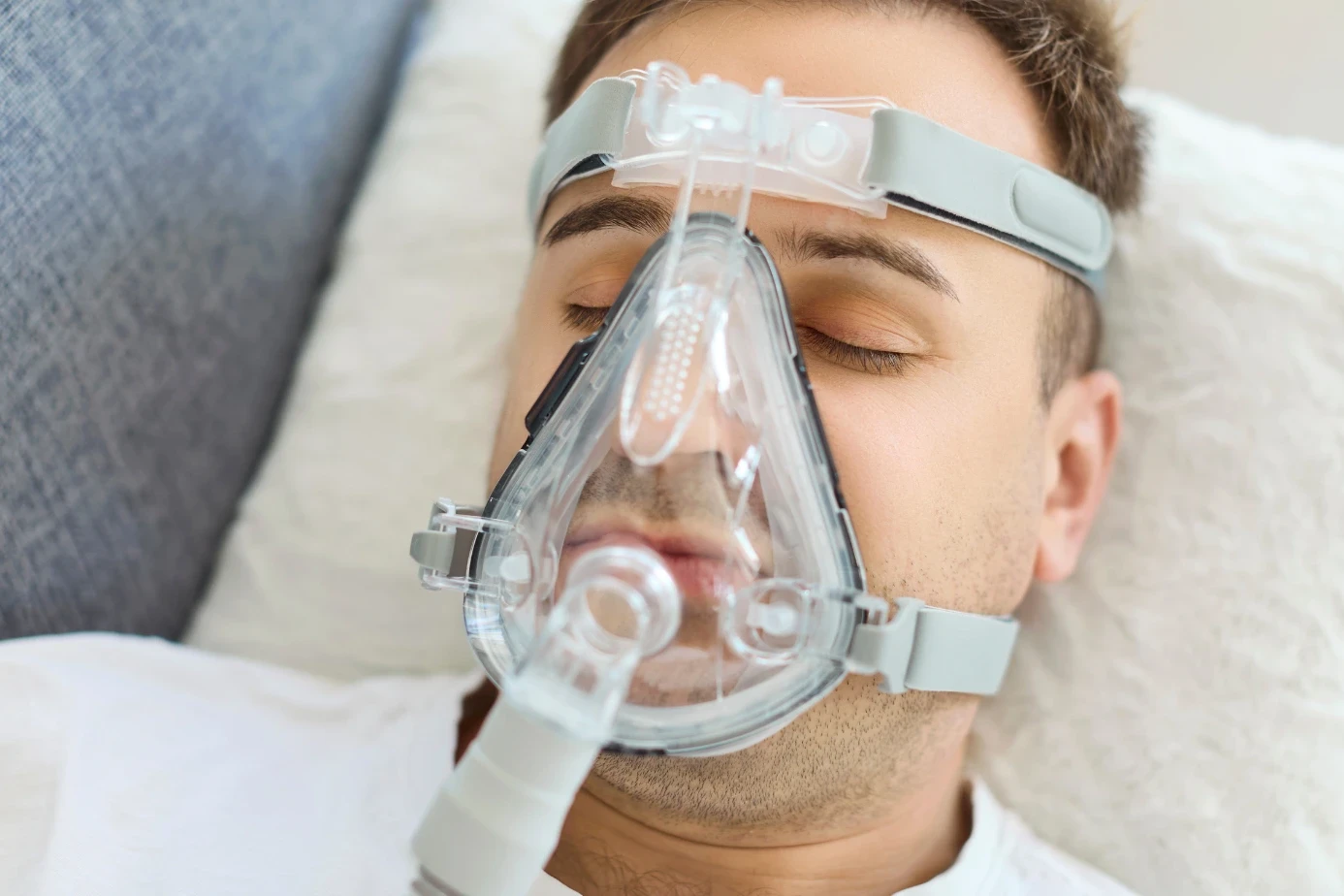
Yes. Untreated sleep apnea fragments sleep throughout the night without you always knowing it. CPAP therapy is often described as “life before and life after.” If you snore, wake feeling unrested, or have a partner who notices breathing pauses, get a sleep study. No supplement fixes structural airway issues.
What do blackout curtains actually do for sleep?
They block light that suppresses melatonin. Streetlights and early morning sun both interfere with sleep quality even when your eyes are closed. People near busy roads report a clear difference after installing thick blackout curtains. A sleep mask works too, especially when traveling.
Do white noise machines help people with real sleep disorders?
White noise masks sudden sounds that wake the brain. Brown noise works better for people who find white noise harsh. A basic fan or a machine like the Yogasleep Dohm classic provides consistent sound that smooths over environmental disruption. Consistent noise is easier on the brain than silence with random spikes.
Can exercise treat sleep disorders?
Yes, but timing matters. Exercise done at least two hours before bed lowers cortisol and uses up the adrenaline that keeps you wired. Exercise done too close to bed raises body temperature and delays sleep. Thirty minutes of daily movement, even walking, shows measurable improvement in sleep quality within two weeks.
What bedroom temperature actually helps you sleep?
Your body needs to drop its core temperature to fall asleep. The best room temperature for sleep is between 15 to 19 degrees Celsius (60 to 67 Fahrenheit), which supports this. People who sleep hot use products like the BedJet or cooling mattress toppers. Even opening a window for ten minutes before bed makes a difference.
Does alcohol ruin sleep quality even in small amounts?
Yes. Even one drink disrupts REM sleep, which is the restorative sleep cycle. Smart watch data confirms this repeatedly. Alcohol helps you fall asleep faster but causes more wake-ups in the second half of the night. Stopping alcohol completely is one of the fastest ways to improve sleep quality.
What is the 4-7-8 breathing method, and when does it work?
Breathe in for 4 counts, hold for 7, exhale for 8. It activates the parasympathetic nervous system and lowers heart rate. It does not work instantly for people in severe sleep deprivation. You need to practice it during the day, not just at bedtime, for it to become effective.
Does HRT help women with sleep disorders?
For perimenopausal and postmenopausal women, yes. Hormonal changes, particularly dropping progesterone, directly disrupt sleep architecture. Progesterone has a sedative effect on the brain. Women who start HRT with progesterone included often report significant improvements in sleep within weeks. This is frequently overlooked in standard sleep advice.
What is a weighted blanket, and who does it actually help?
A weighted blanket provides deep pressure stimulation that calms the nervous system. It works best for people with anxiety-related sleep issues and those with ADHD or restless legs. The blanket weight should be about 10 percent of your body weight. Going lighter or heavier reduces the effect.
Can caffeine timing affect sleep the next night?
Yes. Caffeine and sleep are directly linked. Caffeine has a half-life of five to seven hours. A 3 PM coffee still has half its stimulant effect at 8 PM. Cutting caffeine after noon is a direct treatment for sleep-onset problems. Many people who feel they are immune to caffeine at night are wrong. Their deep sleep data says otherwise.
Should you take sleeping pills long-term?
Most prescription sleep aids and OTC options like diphenhydramine (Benadryl) lose effectiveness over time. The body builds tolerance. Benadryl specifically stops working and causes morning grogginess faster than almost any other sleep aid. Pills that treat the symptom but not the cause leave you dependent and no better off.
What is sleep hygiene and why does it fail most people?
Sleep hygiene means habits like a consistent bedtime, no screens, a dark room, and a cool temperature. It works for mild sleep disruption. It fails for people with anxiety-driven insomnia because the root problem is an overactive nervous system. Fixing sleep hygiene without fixing the anxiety is treating the wrong thing.
What did someone with DSPD do that actually fixed their sleep long-term?
One documented case involved six months of consistent work: bright light (150-watt bulbs) triggered by an alarm at 6 AM, a compact lightbox placed in front of the computer screen, dimmed lights by 7 PM, and stopping phone use at night at least 60–90 minutes before bed. The sleep schedule was corrected fully and has been held for 13+ years.
What is the single most effective free treatment for sleep disorders?
A consistent wake time. Waking at the same time every day, including weekends, is the most evidence-backed behavioral treatment for insomnia. It builds sleep pressure naturally and stabilizes the circadian rhythm. Everything else works better once this is in place.
About The Author
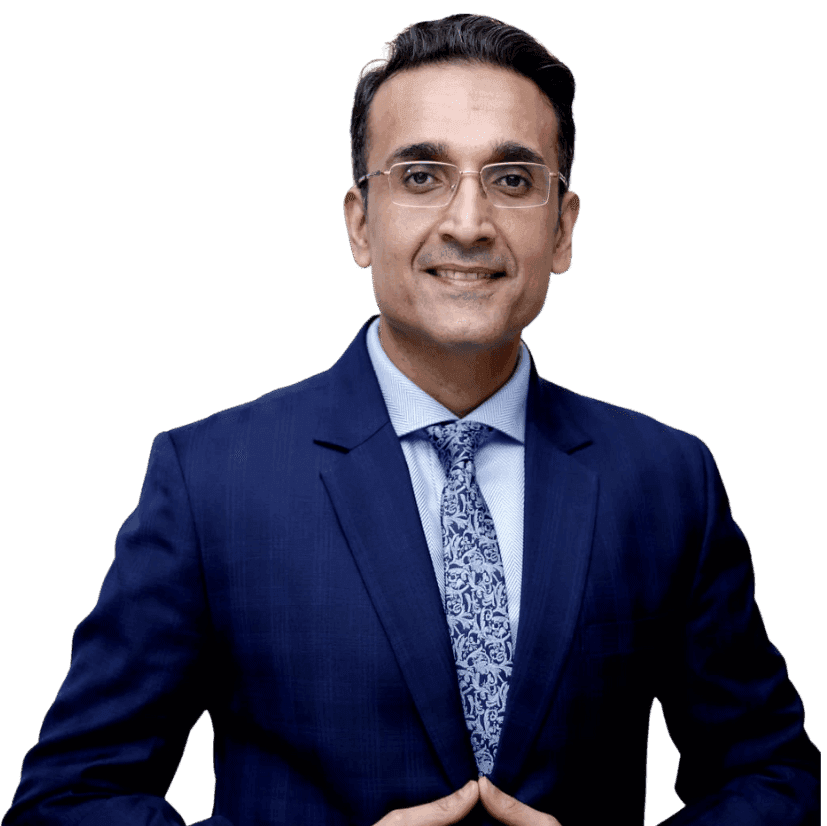
Medically reviewed by Dr. Chandril Chugh, MD, DM (Neurology)
Dr. Chandril Chugh is a U.S.-trained, board-certified neurologist with expertise in diagnosing and managing neurological disorders, including migraines, epilepsy, Parkinson’s disease, and movement disorders. His clinical focus includes evidence-based neurological care and patient education.
All content is reviewed for medical accuracy and aligned with current neurological guidelines.