Sleep apnea interrupts breathing during sleep, which lowers oxygen and breaks deep sleep. Insomnia keeps you from falling asleep or staying asleep, even when breathing stays normal. Knowing the difference between sleep apnea and insomnia matters because the wrong treatment can worsen your health. Both conditions cause daytime fatigue, but the reasons behind that fatigue are not the same.
You may think poor sleep means insomnia, but that belief causes missed diagnoses of sleep apnea , which carries serious heart and brain risks. At the same time, people with insomnia often get breathing tests they do not need, while the real problem remains untreated.
Insomnia vs Sleep Apnea Symptoms
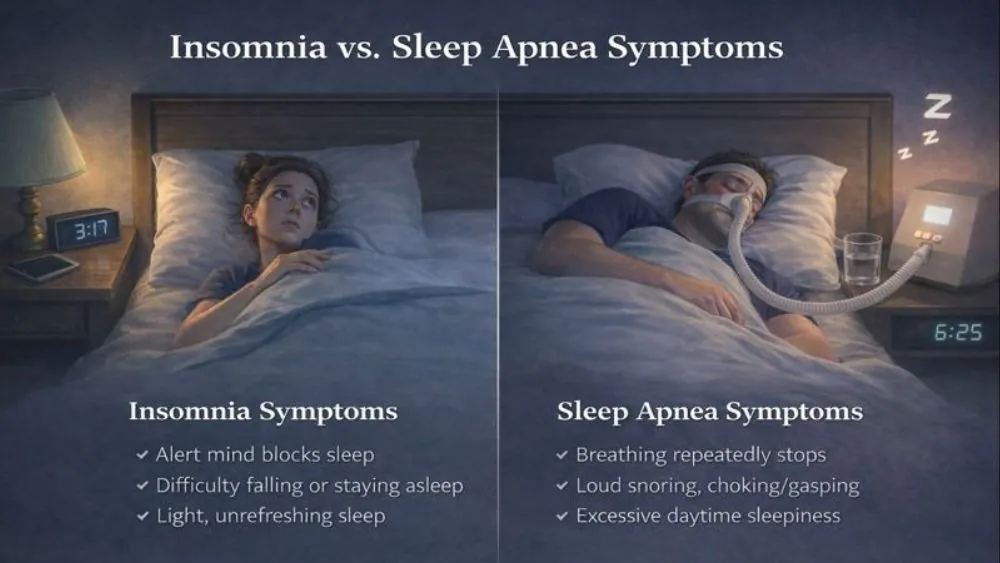
Sleep apnea and insomnia share tiredness and poor focus, but their symptoms start for different reasons. Sleep apnea symptoms come from repeated breathing failure during sleep. Insomnia symptoms come from an overactive brain that blocks sleep even when breathing stays normal.
Common Insomnia Symptoms
The symptoms of insomnia begin before sleep even starts. You lie in bed feeling tired but alert. Your mind stays active. Sleep takes more than thirty minutes to begin. You may wake several times and struggle to return to sleep.
You often wake earlier than planned. Sleep feels light and unrefreshing. During the day, you feel drained, tense, and irritable. Focus drops quickly. Memory feels weak. You may fear bedtime because you expect another bad night. These patterns define insomnia , not poor habits alone.
Common Sleep Apnea Symptoms
The symptoms of sleep apnea happen during sleep. Loud snoring is common. Breathing pauses last ten seconds or more. These pauses often end with choking or gasping sounds. Oxygen levels fall repeatedly.
You may wake with a dry mouth or headache. Daytime sleepiness feels intense and sudden. You can fall asleep while sitting or driving. Many people with sleep apnea do not remember waking at night, even though their brain wakes hundreds of times.
Overlapping Symptoms That Cause Confusion
Both sleep apnea and insomnia cause fatigue. Both reduce attention and slow thinking. Both increase irritability. These shared signs confuse diagnosis. You may assume you have insomnia because you feel tired, even when the real cause is breathing failure during sleep.
Symptoms That Clearly Separate The Two Conditions
Snoring with breathing pauses strongly suggests sleep apnea . Trouble falling asleep points toward insomnia . Feeling alert at night but exhausted during the day is a symptom of insomnia . Falling asleep easily but waking unrefreshed is a symptom of sleep apnea . These differences matter more than total sleep time.
Sleep Apnea vs Insomnia Causes
The causes of sleep apnea are physical and neurological, involving airway collapse or failed breathing signals. The causes of insomnia involve stress, anxiety, poor sleep conditioning, or mental health factors.
Causes of Sleep Apnea
The causes of sleep apnea include physical airway collapse. Throat muscles relax too much during sleep. The tongue shifts backward and blocks airflow. Obesity increases pressure on the airway. Jaw shape and neck size also matter.
Alcohol worsens airway collapse by relaxing muscles further. Some people have nerve signaling problems that stop breathing effort. This type is less common but still serious. These mechanisms explain why sleep apnea is a breathing disorder, not a sleep habit problem.
Causes of Insomnia
The causes of insomnia involve confusional arousal systems. Stress keeps stress hormones high at night. Anxiety trains the brain to stay alert in bed. Irregular schedules confuse sleep timing.
Pain, depression, and long-term worry also drive insomnia . Even after the trigger fades, the brain may stay conditioned to resist sleep. This explains why insomnia can last for months or years without treatment.
Risk Factors Shared By Both Conditions
Age raises risk for both disorders. Shift work disrupts sleep timing. Chronic illness strains sleep quality. Mental stress worsens symptoms. These shared factors blur the difference between sleep apnea and insomnia , but they do not erase it.
Can One Condition Cause or Worsen the Other?
Yes. Untreated sleep apnea fragments sleep so often that the brain learns to fear sleep. That fear can trigger insomnia . Long-term insomnia can reduce deep sleep, which may worsen airway collapse in people already at risk.
Breathing Problems vs Sleep Problems At Night
Sleep apnea disrupts sleep because breathing repeatedly stops and restarts, forcing the brain to wake you. Insomnia disrupts sleep even when breathing stays stable.
Why Breathing Interruptions Fragment Sleep
In sleep apnea , each breathing pause triggers a brief brain awakening. The brain forces breathing to restart. These arousals last for seconds, but they repeat many times per hour. Deep sleep disappears. Oxygen drops stress on the heart and brain.
Why Insomnia Occurs Despite Normal Breathing
In insomnia , breathing stays normal. Oxygen stays stable. The problem lies in overactive alert systems. Stress chemicals stay high. The brain does not shift into sleep mode, even when the body feels tired.
Nighttime Clues That Point To Sleep Apnea
Very loud snoring matters. Pauses followed by gasping matter. Night sweats appear often. Restless tossing with no memory of waking also fits sleep apnea patterns.
Nighttime Clues That Point To Insomnia
Clock watching defines insomnia . Long periods awake define it. Quiet nights without snoring fit insomnia more than breathing disease. You remember being awake, not choking.
How Sleep Apnea And Insomnia Are Diagnosed
Doctors diagnose sleep apnea using sleep studies that measure breathing, oxygen, and arousals. Insomnia is diagnosed through sleep history, patterns, and behavior analysis.
Sleep Studies And Home Sleep Tests
Sleep studies measure airflow, oxygen, heart rate, and brain waves. Home tests focus on breathing and oxygen drops. These tests confirm sleep apnea by counting breathing events per hour.
Clinical Diagnosis Of Insomnia
Doctors diagnose insomnia through a detailed sleep history. Sleep diaries track patterns. Tests focus on behavior and thought patterns, not breathing. No airway sensors are required.
When Doctors Test For Both Conditions Together
Many patients have both disorders. Testing for both avoids missed diagnoses. Treating only one often fails. Recognizing the difference between sleep apnea and insomnia improves outcomes and prevents long-term harm.
Sleep Apnea vs Insomnia Treatment Options
The treatment for sleep apnea keeps the airway open using CPAP, oral devices, or surgery when needed. The treatment for insomnia retrains sleep behavior using CBT-I and short-term medication when appropriate.
Sleep Apnea Treatment (CPAP, Oral Devices, Surgery)
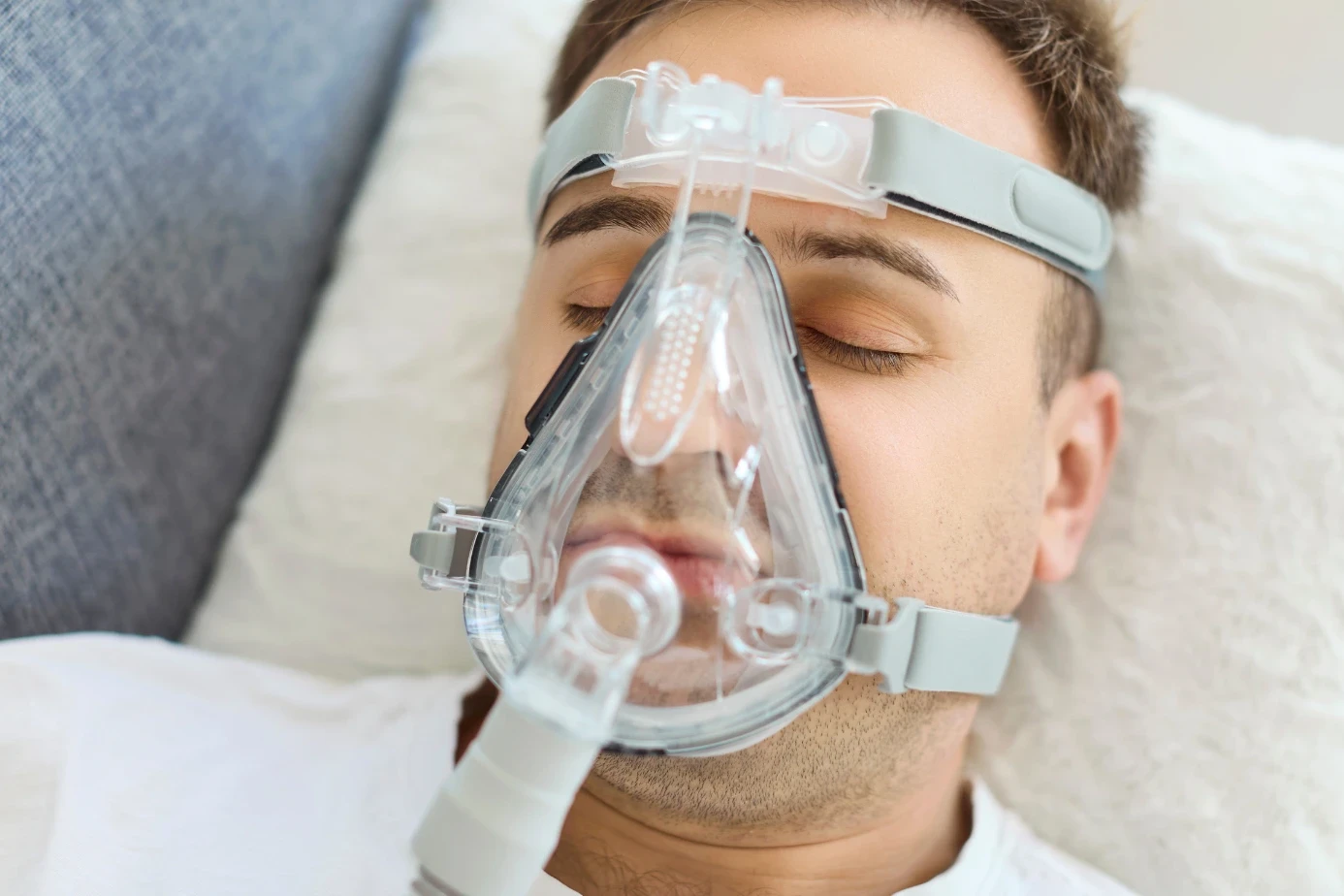
The main treatment for sleep apnea focuses on keeping your airway open during sleep. CPAP, which stands for continuous positive airway pressure, is the most effective option for moderate to severe sleep apnea . It pushes steady air through a mask so breathing never stops. CPAP lowers oxygen drops, reduces daytime sleepiness, and lowers heart strain when used regularly.
Oral devices help some people with mild sleep apnea . These devices shift the lower jaw forward to reduce airway collapse. Dentists trained in sleep medicine fit them. Surgery is considered only when anatomy clearly blocks airflow and other treatments fail. Weight loss can reduce the severity, but it rarely fixes sleep apnea alone.
Insomnia Treatment (CBT-I, Medications, Sleep Hygiene)
The best treatment for insomnia is CBT-I, which means cognitive behavioral therapy for insomnia. This therapy retrains your brain to link bed with sleep instead of stress. It adjusts sleep timing, limits time in bed, and changes unhelpful thoughts about sleep.
Doctors may prescribe short-term sleep medications in selected cases. These do not cure insomnia but manage symptoms while behavioral treatment works. Sleep hygiene helps support recovery, but hygiene alone does not treat chronic insomnia .
Why Treatments Are Not Interchangeable
CPAP does not calm an anxious brain. Sleep pills do not reopen a blocked airway. Using the wrong treatment delays recovery and increases health risks. This is why understanding the difference between sleep apnea and insomnia matters before starting care.
Combined Treatment When Both Conditions Coexist
When you have both conditions, treatment must address both. CPAP reduces breathing-related awakenings. CBT-I retrains sleep behavior. Treating only one often leads to poor results and frustration.
Can You Have Sleep Apnea and Insomnia at the Same Time?
Yes, many people have both conditions, known as COMISA. Untreated sleep apnea can train the brain to fear sleep and trigger insomnia . Treating both together leads to better sleep and better treatment success.
Understanding COMISA (Comorbid Insomnia And Sleep Apnea)
COMISA means you have both sleep apnea and insomnia . Many patients with sleep apnea also struggle with falling or staying asleep. This combination worsens fatigue and reduces treatment success if missed.
Why Untreated Sleep Apnea Can Worsen Insomnia
Repeated breathing pauses cause sudden brain arousals. Over time, your brain learns to expect disruption. The bed becomes a place of tension. This learned alertness fuels insomnia , even after breathing problems improve.
Best Treatment Approach For Dual Diagnosis
The best plan treats both at the same time. CPAP stabilizes breathing. CBT-I reduces fear and arousal. This approach improves CPAP tolerance and sleep quality more than treating either alone.
Health Risks Of Untreated Sleep Apnea vs Insomnia
Untreated sleep apnea raises the risk of heart disease, stroke, and diabetes. Untreated insomnia raises the risk of depression, anxiety, and poor daily function. Misdiagnosis allows long-term damage that becomes harder to reverse.
Cardiovascular And Metabolic Risks Of Sleep Apnea
Untreated sleep apnea raises blood pressure by stressing blood vessels every night. It increases the risk of heart attack, stroke, and irregular heart rhythms. It also worsens insulin resistance, raising diabetes risk. These risks rise with severity and duration.
Mental Health And Quality-of-Life Risks Of Insomnia
Chronic insomnia raises the risk of depression and anxiety. Emotional control weakens. Work performance suffers. Reaction time slows. Quality of life drops even when physical health looks normal.
Long-Term Consequences Of Misdiagnosis
Mistaking sleep apnea for insomnia delays breathing treatment and increases heart risk. Mistaking insomnia for sleep apnea leads to unnecessary devices and untreated mental strain. Correct diagnosis prevents years of harm.
When To See A Doctor For Sleep Problems
You should seek medical care when sleep problems last months or affect safety, mood, or work. Loud snoring and breathing pauses suggest sleep apnea . Persistent trouble falling or staying asleep suggests insomnia and needs evaluation.
Red Flags That Suggest Sleep Apnea
Loud snoring with pauses matters. Extreme daytime sleepiness matters. Morning headaches and high blood pressure raise concern. These signs point to sleep apnea and need testing.
Red Flags That Suggest Chronic Insomnia
Sleep trouble lasting more than three months matters. Daytime fatigue with racing thoughts at night matters. Worry about sleep dominating your routine points to insomnia .
When Immediate Medical Evaluation Is Needed
Severe sleepiness while driving is dangerous. Chest pain, shortness of breath, or sudden confusion needs urgent care. These symptoms require immediate evaluation.
FAQs
How Can I Tell If I Have Insomnia Or Sleep Apnea?
You notice insomnia when you cannot fall or stay asleep despite feeling tired. You suspect sleep apnea when snoring, breathing pauses, and extreme daytime sleepiness appear together.
Does Insomnia Cause Sleep Apnea?
Insomnia does not cause airway blockage. It cannot create sleep apnea . However, long-term poor sleep can worsen symptoms in people already at risk.
Can CPAP Improve Insomnia Symptoms?
CPAP can improve sleep if awakenings come from breathing pauses. If insomnia comes from stress or anxiety, CPAP alone will not fix it.
Is Snoring Always A Sign Of Sleep Apnea?
No. Snoring alone does not mean sleep apnea . Pauses in breathing, oxygen drops, and daytime sleepiness matter more than sound alone.
Which Condition Is More Dangerous If Untreated?
Sleep apnea carries a higher risk for heart and brain damage. Insomnia causes serious mental and functional harm. Both deserve proper diagnosis and care.
About The Author

Medically reviewed by Dr. Chandril Chugh, MD, DM (Neurology)
Dr. Chandril Chugh is a U.S.-trained, board-certified neurologist with expertise in diagnosing and managing neurological disorders, including migraines, epilepsy, Parkinson’s disease, and movement disorders. His clinical focus includes evidence-based neurological care and patient education.
All content is reviewed for medical accuracy and aligned with current neurological guidelines.