Treatment for sleep apnea focuses on keeping your airway open so your brain and body get steady oxygen all night. When breathing stops during sleep, your heart, brain, and blood vessels stay under stress. Over time, this raises the risk of high blood pressure, heart disease, stroke, and memory problems.
The right treatment for sleep apnea reduces breathing pauses, improves oxygen levels, and restores deep sleep. Medical research from major sleep centers shows that early and correct care improves long-term health and daily alertness. You need treatment that matches how severe your condition is and what causes it.
Best Treatment for Sleep Apnea
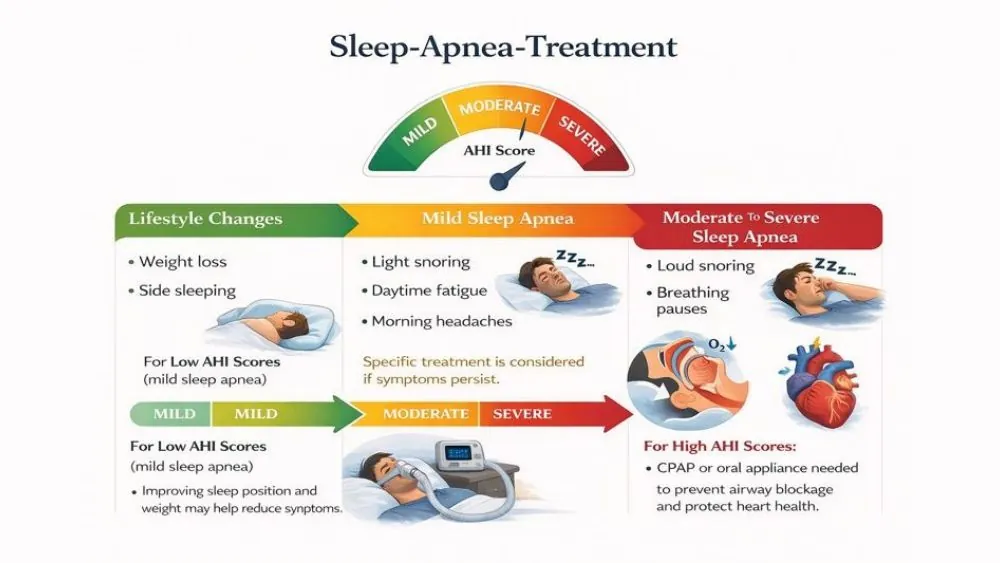
The best treatment for sleep apnea depends on how often your breathing stops and how low your oxygen drops during sleep. Doctors measure this using the apnea-hypopnea index, also called AHI. This score shows how many breathing problems happen each hour. Mild cases need a different plan than severe cases.
How Treatment Choice Depends On Severity
If your AHI score stays low, lifestyle changes may help reduce symptoms. If the score rises, medical devices become necessary. Untreated moderate or severe sleep apnea keeps stress hormones high all night. This constant stress harms blood vessels. A matched treatment for sleep apnea lowers this risk by stabilizing breathing.
Mild vs Moderate vs Severe Sleep Apnea
Mild sleep apnea usually causes light snoring and tiredness. Moderate sleep apnea brings poor focus and morning headaches. Severe sleep apnea often leads to chest strain and memory issues. The higher the severity, the less likely lifestyle changes are to work alone.
In severe cases, delaying proper treatment for sleep apnea increases the risk of heart rhythm problems. Doctors rely on sleep study data, not symptoms alone, to guide care.
When Lifestyle Changes Are Enough
Weight control, side sleeping, and alcohol avoidance help some people with mild disease. These steps reduce airway collapse. Weight loss can lower AHI scores, but results vary. Lifestyle steps support recovery, but they do not replace medical treatment for sleep apnea when the disease is advanced. You should view these changes as support tools, not cures.
When Medical Treatment Is Required
Medical care becomes necessary when breathing pauses happen many times per hour. Devices like CPAP or oral appliances physically prevent airway blockage, reduce oxygen drops, and protect heart health. Ignoring medical care when needed leads to long-term damage.
Obstructive Sleep Apnea Treatment
Obstructive sleep apnea is the most common form. It happens when throat muscles relax too much during sleep and block airflow. The brain keeps sending signals to breathe, but air cannot pass. This repeated blockage defines the condition. Proper treatment for obstructive sleep apnea focuses on keeping the airway open all night.
What Makes Obstructive Sleep Apnea Different
In obstructive sleep apnea, the problem sits in the airway, not the brain. The chest and belly try to breathe, but the throat collapses. This causes loud snoring and choking sounds. Additionally, airway shape, neck fat, and muscle tone all play a role. Because the cause is physical, treatment for sleep apnea must address airway structure.
First-Line Treatment Approaches
For most adults with moderate or severe disease, CPAP is the first choice. Oral appliances work for selected cases. Weight loss helps but rarely solves the problem alone. Doctors choose treatment for obstructive sleep apnea based on sleep study results, jaw shape, and symptom severity. Skipping this step lowers success rates.
Long-Term Management Strategies
Obstructive sleep apnea does not usually disappear. Long-term success depends on regular use of therapy and follow-up testing. People who stick to their treatment for sleep apnea have lower blood pressure and better heart rhythm stability. Ongoing care matters as much as the initial choice.
CPAP Therapy for Sleep Apnea
CPAP remains the most studied and effective option for moderate to severe cases. Decades of clinical trials support its use.
How CPAP Works
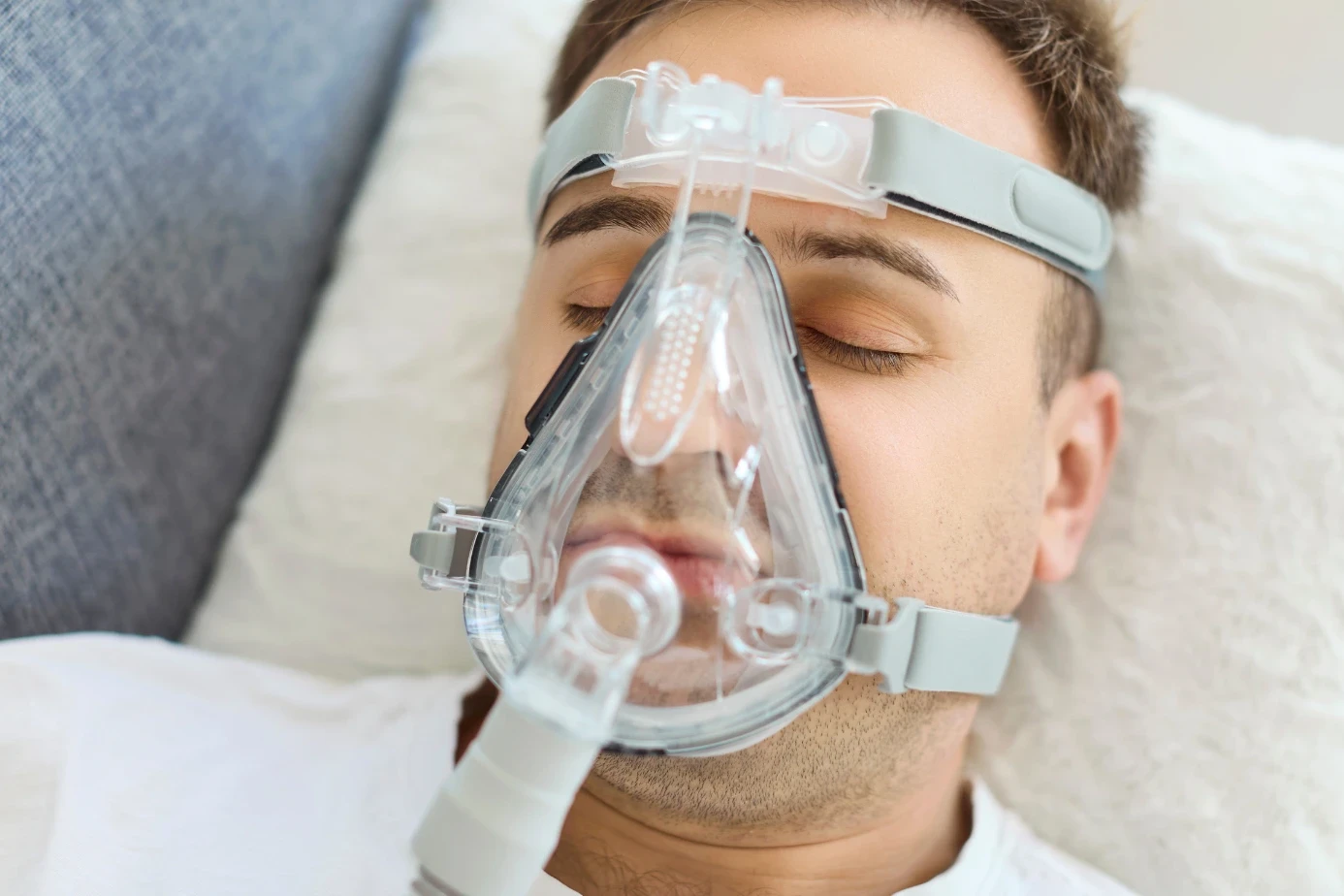
CPAP therapy for sleep apnea uses gentle air pressure to keep your throat open. A small machine pushes air through a mask worn during sleep. This pressure prevents collapse and keeps oxygen levels stable. Brain scans show fewer sleep interruptions when CPAP is used correctly. This makes CPAP a cornerstone treatment for sleep apnea worldwide.
Types Of CPAP And PAP Devices
Standard CPAP delivers a fixed pressure all night. Auto-CPAP adjusts pressure based on breathing patterns. BiPAP provides two pressure levels, one for breathing in and one for breathing out. Each option suits different needs. Sleep specialists select the device that offers the most stable treatment for sleep apnea for your breathing pattern.
Common CPAP Side Effects And Solutions
Dry mouth, nasal congestion, and mask leaks are common early issues. Heated humidifiers reduce dryness. Proper mask fitting lowers leaks, and most side effects fade within weeks. Side effects do not mean failure of treatment for sleep apnea . They signal the need for adjustment.
CPAP Compliance And Success Rates
When used for most of the night, CPAP reduces breathing events by more than ninety percent. The biggest problem is poor use, not poor design. Education, follow-up, improving adherence, and regular CPAP use lower stroke risk. This proves that consistent treatment for sleep apnea delivers real health benefits.
Natural Treatment for Sleep Apnea
Many people look for a natural treatment for sleep apnea because it feels safer and easier. Natural options can reduce symptoms, but they work best when your condition is mild. Natural methods support care but rarely replace medical treatment for sleep apnea in moderate or severe cases.
Weight Loss And Metabolic Control
Extra fat around your neck and tongue narrows the airway. During sleep, this tissue presses inward and blocks airflow. Losing even ten percent of body weight can lower apnea events.
Weight loss also improves insulin sensitivity, which helps control breathing during sleep. A natural treatment for sleep apnea often starts with steady weight loss, not crash dieting. Results vary by body type and airway shape.
Sleep Position Therapy
Sleeping on your back lets gravity pull the tongue backward. This blocks the throat. Side sleeping keeps the airway more open. Some people experience fewer breathing pauses when they avoid back sleeping. Special pillows or wearable vibration devices help train side sleeping. This approach works best as part of a broader treatment plan for sleep apnea .
Breathing Exercises And Oropharyngeal Training
Oropharyngeal training means exercises for the tongue, soft palate, and throat muscles. Stronger muscles resist collapse during sleep. Small clinical trials show reduced snoring and mild improvement in apnea scores. Evidence remains limited, so doctors do not rely on this alone. It serves as a supportive natural treatment for sleep apnea , not a cure.
Alcohol, Smoking, And Sedative Avoidance
Alcohol relaxes throat muscles and worsens airway collapse. Smoking inflames the airway tissues and increases swelling. Sedatives slow brain responses to low oxygen. Avoiding these substances reduces apnea severity. This step strengthens the effect of any treatment for sleep apnea you already use.
Sleep Apnea Treatment At Home
Sleep apnea treatment at home focuses on daily habits and the sleep environment. These steps improve comfort and sleep quality. They do not correct airway collapse in severe disease.
Daily Habits That Reduce Apnea Episodes
Regular sleep schedules stabilize breathing rhythms. Regular exercise improves muscle tone and lung function. Avoiding heavy meals before bed reduces airway pressure. These habits support recovery and improve response to treatment for sleep apnea .
Bedroom Environment Optimization
Cool rooms support deeper sleep. Dark spaces reduce brain arousal. Clean air reduces nasal irritation. Better sleep environments reduce night awakenings, which helps breathing stability.
Role Of Nasal Strips And Humidifiers
Nasal strips widen nasal passages and reduce resistance. Humidifiers prevent dryness and irritation from airflow. These tools improve comfort, especially for people using CPAP. They do not replace proper sleep apnea treatment at home or medical care.
Limitations Of Home-Based Treatment
Home-based steps fail to stop repeated oxygen drops in moderate or severe disease. Relying only on home care delays effective treatment for sleep apnea and increases health risks.
Oral Appliances And Dental Devices
Oral appliances provide a non-mask option for selected patients who cannot tolerate CPAP. They work best in mild to moderate cases with specific jaw and airway features.
How Mandibular Advancement Devices Work
Mandibular advancement devices move the lower jaw forward during sleep. This action pulls the tongue away from the airway. Airflow improves, and snoring decreases. Dental sleep specialists custom-fit these devices for safety and comfort.
Who Benefits Most From Oral Appliances
People with mild to moderate disease benefit the most. Jaw structure and bite alignment affect success. Better outcomes are noticed when these devices are professionally fitted. Oral appliances serve as a focused treatment option for sleep apnea for selected patients.
Comparison With CPAP Therapy
CPAP works across all severity levels. Oral devices show lower success in severe cases. CPAP remains more effective overall. Oral devices suit people who cannot tolerate CPAP but still need treatment for sleep apnea .
Surgical Treatment Options For Sleep Apnea
Surgery aims to remove or bypass structural airway blockages when other therapies fail. Outcomes vary, and many patients still require ongoing treatment for sleep apnea after surgery.
When Surgery Is Considered
Doctors consider surgery when CPAP and oral devices fail or cannot be used. Surgery also helps when anatomy causes a severe obstruction. Careful evaluation is essential before choosing surgical treatment for sleep apnea .
Common Surgical Procedures
Procedures include soft tissue removal, jaw repositioning, and nerve stimulation implants. Each option targets a different blockage site. Some surgeries widen the airway. Others improve muscle tone during sleep.
Risks And Expected Outcomes
Surgery carries risks such as pain, infection, and incomplete results. Some people still need CPAP after surgery. Surgery improves symptoms but rarely eliminates the need for ongoing treatment for sleep apnea .
Treatment For Central And Complex Sleep Apnea
Central and complex sleep apnea involve unstable brain control of breathing rather than airway collapse. Treatment focuses on stabilizing breathing patterns and managing underlying heart or neurological conditions.
How Central Sleep Apnea Differs From OSA
In central sleep apnea, the brain fails to send steady breathing signals. The airway stays open, but breathing stops. Heart failure and brain disorders often trigger this condition.
Adaptive Servo-Ventilation (ASV)
ASV devices adjust pressure breath by breath. They stabilize irregular breathing patterns and improve oxygen levels in patients. ASV serves as a specialized treatment for sleep apnea when central events dominate.
Treating Underlying Neurological Or Cardiac Causes
Managing heart failure or neurological disease often reduces central apnea events. Treating the root cause improves breathing control and sleep quality.
Diagnosis Before Starting Sleep Apnea Treatment
Accurate diagnosis prevents under-treatment and therapy failure. Sleep studies identify apnea type, severity, and oxygen impact, which directly guides effective treatment for sleep apnea decisions.
Sleep Study And AHI Scoring
Sleep studies track breathing, oxygen levels, heart rhythm, and brain waves. AHI scores guide therapy choice and intensity.
Home Sleep Testing Vs Lab Polysomnography
Home testing works for suspected obstructive cases. Lab studies detect complex or central disorders. Doctors choose the method that best supports accurate treatment for sleep apnea decisions.
Importance Of Accurate Diagnosis
Symptoms alone mislead. Proper testing prevents under-treatment or wrong therapy.
Long-Term Outlook With Sleep Apnea Treatment
Consistent treatment improves daytime alertness, cardiovascular health, and metabolic control. Long-term adherence reduces stroke risk and improves overall life quality.
Health Benefits Of Treated Sleep Apnea
Treatment restores deep sleep. Daytime alertness improves. Mood stabilizes. Brain fog fades.
Cardiovascular And Metabolic Risk Reduction
Treated patients show lower blood pressure and improved glucose control. Heart rhythm stabilizes with consistent treatment for sleep apnea .
Quality-Of-Life Improvements
Better sleep improves work performance, driving safety, and relationships. These gains build over time with regular care.
When To See A Doctor For Sleep Apnea
Persistent snoring, choking during sleep, or severe daytime fatigue require medical evaluation. Delaying care increases the risk of heart rhythm problems and cognitive decline.
Warning Signs Requiring Medical Care
Loud snoring, choking at night, and extreme daytime sleepiness require evaluation.
CPAP Intolerance Or Treatment Failure
Ongoing symptoms mean therapy needs adjustment. Mask fit and pressure often cause problems.
Red Flags For Complications
Morning headaches, chest discomfort, and memory decline signal advanced disease.
FAQs
What Is The Most Effective Sleep Apnea Treatment?
The most effective treatment for sleep apnea depends on severity, but CPAP consistently shows the highest success in reducing breathing pauses and protecting long-term heart and brain health.
Can Sleep Apnea Be Treated Naturally?
A natural treatment for sleep apnea can reduce symptoms in mild cases, but medical studies show it rarely controls moderate or severe disease without additional therapy.
How Long Does Sleep Apnea Treatment Take To Work?
Some people feel better within days. Full benefits often build over several weeks as your body adapts to steady breathing and oxygen levels.
What Types Of CPAP Or PAP Devices Are Available?
Options include fixed CPAP, auto-adjusting CPAP, and BiPAP. Doctors select devices based on breathing patterns and comfort needs.
What Are The Common Side Effects Of CPAP Therapy?
Dry mouth, nasal irritation, and mask leaks are common early effects. Most resolve with proper fitting and humidification.
How Can CPAP Side Effects Be Managed?
Mask adjustments, humidifiers, and pressure changes improve comfort and support long-term treatment for sleep apnea success.
How Effective Is CPAP Treatment For Sleep Apnea?
When used consistently, CPAP therapy for sleep apnea reduces apnea events by more than ninety percent and lowers long-term health risks.
What Natural Treatments Help With Sleep Apnea?
Weight loss, side sleeping, and throat exercises support care. These methods strengthen results but rarely replace medical therapy.
Can Weight Loss Improve Sleep Apnea Symptoms?
Yes. Fat loss around the neck reduces airway pressure and can lower apnea severity, especially in mild disease.
How Does Sleep Position Therapy Help Sleep Apnea?
Side sleeping prevents the tongue from blocking the airway, which reduces breathing pauses in position-dependent cases.
Do Breathing Exercises Or Oropharyngeal Training Reduce Apnea Episodes?
They may help mild cases by strengthening airway muscles, but evidence remains limited, and they should support, not replace, medical care.
About The Author

Medically reviewed by Dr. Chandril Chugh, MD, DM (Neurology)
Dr. Chandril Chugh is a U.S.-trained, board-certified neurologist with expertise in diagnosing and managing neurological disorders, including migraines, epilepsy, Parkinson’s disease, and movement disorders. His clinical focus includes evidence-based neurological care and patient education.
All content is reviewed for medical accuracy and aligned with current neurological guidelines.