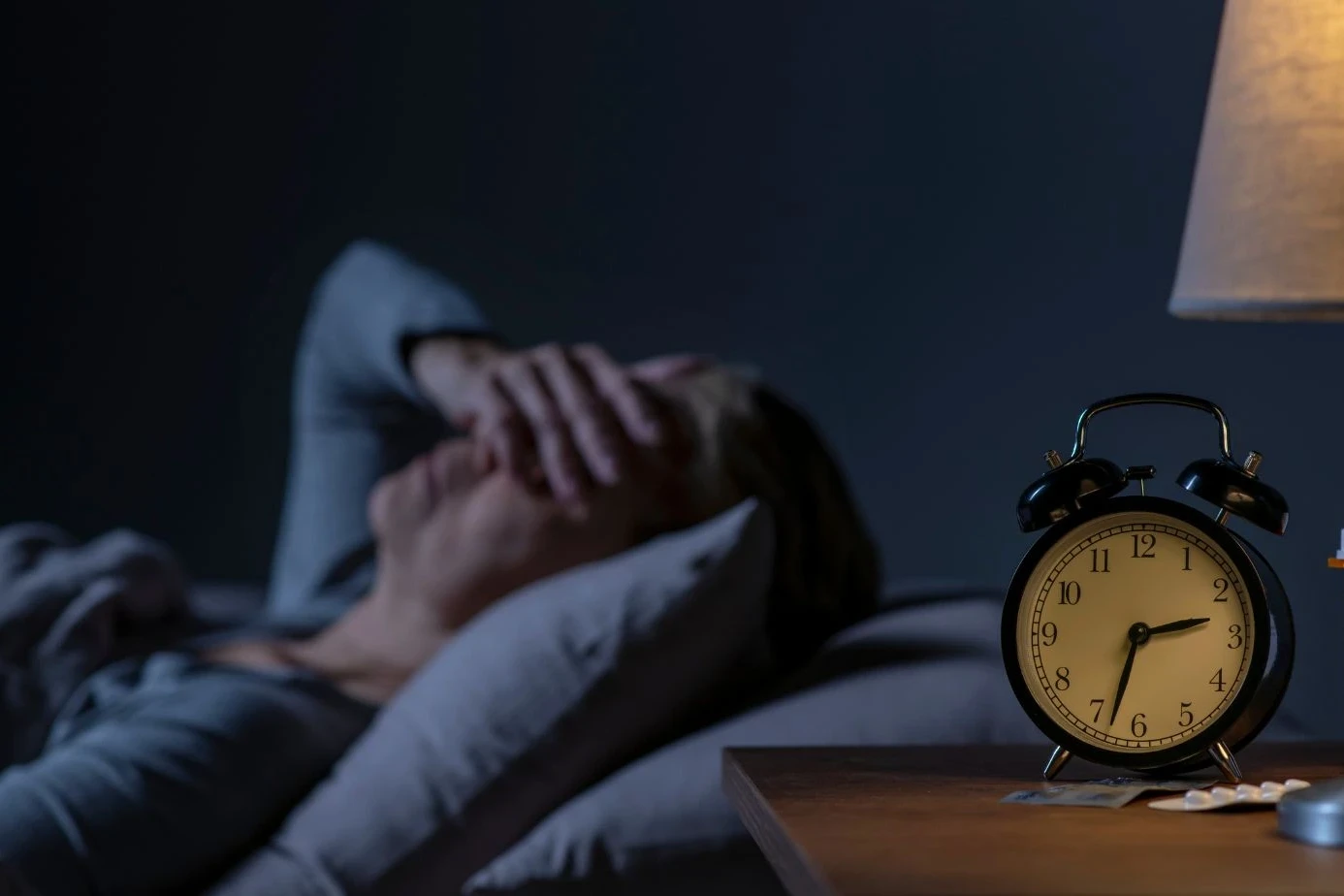
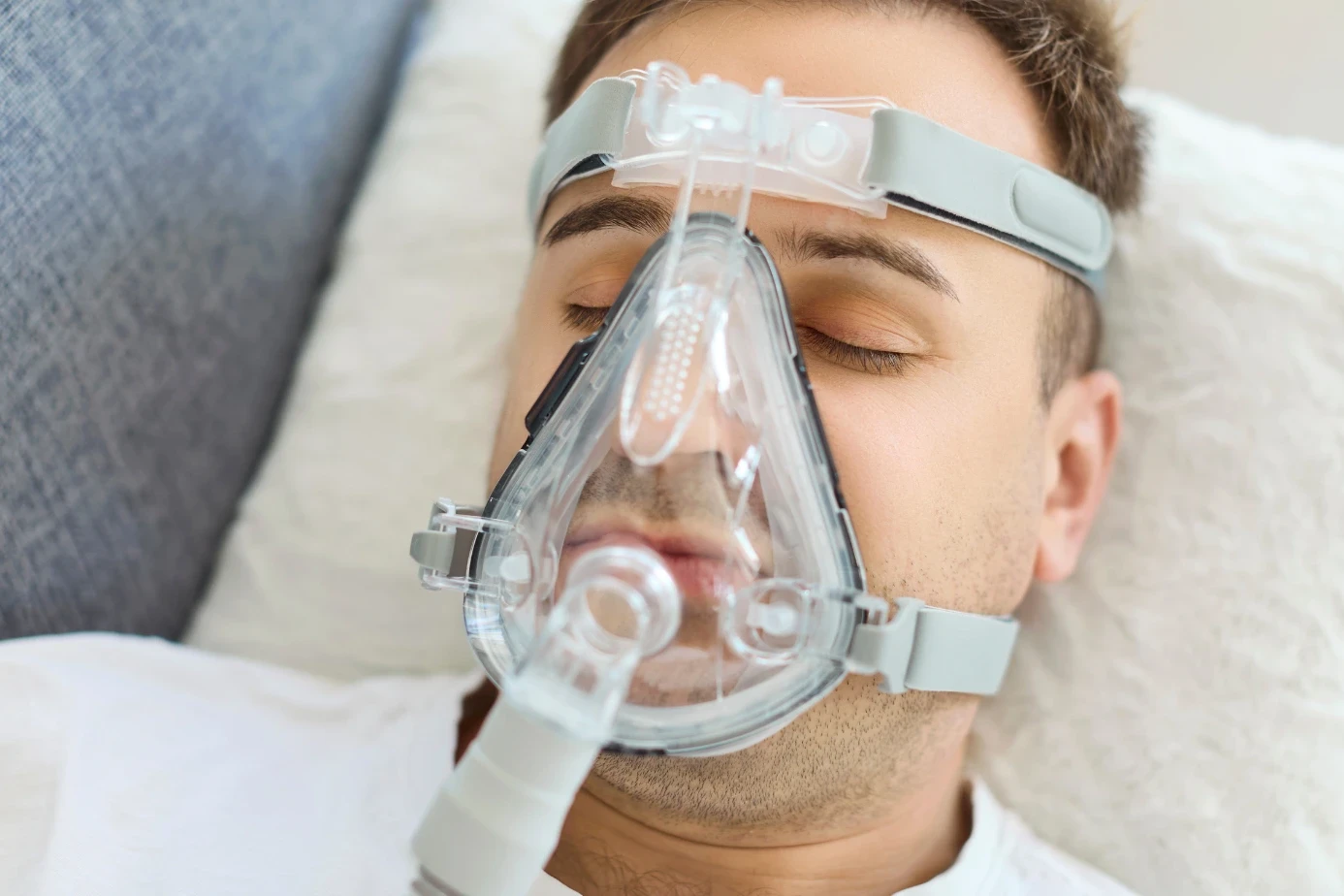
Confusional arousal is a sleep-related condition where you wake up mentally confused while your body is partly awake. It happens when your brain fails to shift smoothly from deep sleep to full alertness.
During confusional arousal , you may look awake but think slowly, respond poorly, or act in ways that do not make sense. This state is real, medically recognized, and different from normal morning grogginess. It affects children more often, but adults can experience it too, especially under sleep stress.
Confusional Arousal Symptoms
The symptoms of confusional arousal appear right after waking from deep sleep. You are not dreaming, but you are not fully awake either. This mixed state explains why behavior can seem odd or alarming.
What Confusional Arousal Feels Like After Waking
During confusional arousal , your brain feels slow and foggy. You may feel trapped between sleep and waking. Sounds feel distant, and light feels too bright. You may want to go back to sleep, but you cannot. Many people describe a heavy head and poor control over their thoughts.
This happens because parts of the brain that control thinking wake later than parts that control movement. Evidence is limited, but brain imaging supports this partial awakening pattern.
Mental Confusion And Disorientation
Mental confusion is the core sign. You may not know where you are or recognize people you see every day. Time awareness often disappears. These symptoms of confusional arousal are not intentional and are not linked to mental illness.
Unlike panic attacks, heart rate and fear levels often stay normal. This detail helps doctors separate confusional arousal from other night events.
Slow Speech, Poor Responses, And Memory Gaps
Speech often becomes slow or unclear. You may answer questions with single words or wrong phrases. Some people stop responding at all. Memory gaps are common. You may not remember the episode later.
Memory loss occurs because memory centers stay in sleep mode during confusional arousal . This is why others remember the event, but you do not.
Difference Between Confusion And Sleepwalking
Sleepwalking involves walking or complex movement. Confusional arousal usually keeps you near the bed. You may sit up, push someone away, or mumble. Walking long distances is uncommon. This difference helps doctors separate the two conditions.
How Long Confusional Arousal Symptoms Last
Most episodes last five to twenty minutes, while some end sooner. Rare cases last longer, especially in adults with poor sleep routines. Once the brain fully wakes, the confusion clears quickly, which is a key feature of confusional arousal .
Causes Of Confusional Arousal
The causes of confusional arousal involve anything that disrupts deep sleep or forces the brain to wake suddenly.
Deep Sleep Interruption As The Primary Cause
Deep sleep is the hardest stage to wake from. Confusional arousal starts when this stage is interrupted. Loud alarms, shaking, or sudden noise increase the risk. Sleep research shows that forced awakening from slow-wave sleep raises confusion risk.
Sleep Deprivation And Irregular Sleep Schedules
Lack of sleep pushes your brain into deeper sleep the next night. This raises the chance of confusional arousal . Shift work, late nights, and weekend sleep changes are common triggers. These are well-documented causes of confusional arousal in adults.
Alcohol, Medications, And Substance Use
Alcohol before bed deepens early sleep and fragments later sleep. This pattern raises confusion risk. Some sedatives and mental health drugs also alter sleep structure. Doctors usually review medications when confusional arousal becomes frequent.
Stress, Anxiety, And Mental Health Factors
Stress does not directly cause confusional arousal , but it disturbs sleep depth. Anxiety keeps the brain alert, then leads to a deeper sleep crash later. This unstable pattern increases the risk of partial awakening.
Genetic And Childhood-Related Causes
Children experience confusional arousal more often because they spend more time in deep sleep. Family history matters. Pediatric sleep studies show that many children outgrow the condition as the brain matures. Evidence on genetics exists, but it remains limited.
Sleep Inertia Confusional Arousal

Sleep inertia and Confusional arousal are often confused with normal morning fog, but they are not the same.
What Sleep Inertia Is
Sleep inertia is the short period of grogginess after waking. Everyone feels it at times. It fades quickly and does not cause strange behavior.
How Sleep Inertia Overlaps With Confusional Arousal
Both involve slow thinking and poor focus. The difference lies in severity. Sleep inertia confusional arousal includes disorientation and poor awareness, not just tiredness. This overlap confuses diagnosis.
Why Abrupt Awakenings Worsen Symptoms
Abrupt awakenings force the brain to wake too fast. Research summarizes shows that gradual waking lowers confusion risk. Light-based alarms work better than loud sounds for people prone to confusional arousal .
Morning Confusion Vs True Parasomnia
Normal morning confusion fades fast and does not involve abnormal behavior. Parasomnias like confusional arousal involve partial brain activation and unusual responses.
Waking Up Confused: Sleep Disorder
Many people search for answers after waking up confused repeatedly.
Is Confusional Arousal a Sleep Disorder?
Yes. Confusional arousal is classified as a non-REM parasomnia. This means it happens outside of dreaming sleep and involves abnormal waking.
Difference Between Confusional Arousal And Night Terrors
Night terrors involve intense fear, screaming, and a rapid heart rate. Confusional arousal focuses on confusion without strong fear. This difference is supported by pediatric sleep research from major children’s hospitals.
How Often Episodes Occur
Some people have rare episodes, while others have them weekly. Frequency depends on sleep habits, stress, and triggers. Repeated waking up confused suggests unstable sleep patterns.
When Confusion After Waking Is Not Normal
Confusion is not normal when it includes injury, aggressive behavior, long-term memory loss, or daytime sleepiness. These signs suggest more than simple confusional arousal .
Diagnosis Of Confusional Arousal
Diagnosis relies on patterns, not a single test.
Clinical History And Symptom Patterns
Doctors ask about sleep timing, triggers, and behaviors. Family reports matter because you may not remember episodes. These details help confirm confusional arousal .
Sleep Diary And Behavioral Evaluation
A sleep diary tracks bedtime, wake time, and events. This tool often reveals triggers linked to causes of confusional arousal, such as poor routines or forced awakenings.
Role Of Polysomnography (Sleep Study)
A sleep study records brain waves, breathing, and movement. It may capture partial arousals from deep sleep. Polysomnography helps confirm confusional arousal when the diagnosis is unclear.
Ruling Out Seizures, Sleep Apnea, Or Narcolepsy
Some conditions mimic symptoms of confusional arousal . Seizures, breathing pauses, or sudden sleep attacks must be ruled out. Doctors compare findings carefully, using evidence-based guidelines.
Confusional Arousal Treatment
Treatment for confusional arousal depends on how often episodes happen and how much they affect your life. Many people never need medication. The focus stays on sleep stability and trigger control.
When Treatment Is Actually Needed
Treatment becomes necessary when confusional arousal causes injury risk, severe disruption at home, or strong daytime sleepiness. Children usually do not need treatment unless episodes turn violent or frequent. Adults need treatment more often because episodes tend to persist.
Doctors do not treat a single episode. They treat patterns. If episodes happen only after sleep loss or alcohol use, fixing those factors often stops the problem.
Improving Sleep Hygiene As First-Line Management
Sleep hygiene is the main treatment for confusional arousal . You need a fixed bedtime and wake time, even on weekends. A dark, quiet bedroom helps the brain move through sleep stages smoothly.
Research summarized in sleep medicine journals shows that regular sleep reduces deep sleep rebound, which lowers confusional arousal . Evidence is strong for routine-based improvement, stronger than for most medications.
Managing Triggers And Sleep Schedules
Triggers include forced awakenings, late nights, alcohol, and stress. You should avoid sudden alarms when possible. Gradual light alarms work better. Naps should stay short and early.
These steps directly target the causes of confusional arousal rather than masking symptoms.
Medications Used In Severe Or Frequent Cases
Medication is not the first option. Doctors usually prescribe low-dose drugs that reduce deep sleep arousals. Dosage varies by age and condition. No drug cures confusional arousal . Medications only reduce episode frequency.
Medical guidelines warn against long-term drug use unless benefits clearly outweigh risks.
Preventing Confusional Arousal Episodes
Prevention focuses on keeping sleep predictable.
Maintaining Consistent Sleep And Wake Times
Your brain relies on timing cues. Consistency lowers the chance of partial awakenings. This step alone prevents many confusional arousal episodes.
Avoiding Forced Awakenings From Deep Sleep
Being shaken awake raises confusion risk. If you must wake early, use gradual alarms. This reduces sleep inertia and confusional arousal overlap.
Reducing Alcohol And Sedative Use
Alcohol fragments sleep later in the night. Sedatives deepen early sleep. Both raise confusion risk. Reducing use lowers symptoms of confusional arousal in many adults.
Stress Management And Relaxation Techniques
Stress management improves sleep depth balance. Simple routines work best. Breathing exercises before bed reduce night arousals. Evidence for complex techniques is limited.
Confusional Arousal In Children Vs Adults
Why It Is More Common In Children
Children spend more time in deep sleep than adults. Their brains switch stages less smoothly. Pediatric sleep studies show this explains higher rates of confusional arousal in early childhood.
Typical Age Of Onset And Resolution
Episodes often start between ages three and eight. Many children outgrow them by adolescence. Brain maturation improves sleep transitions. This explains why long-term risk stays low for most children.
Differences In Adult Confusional Arousal
Adult confusional arousal often links to lifestyle factors. Stress, alcohol, shift work, and sleep loss play larger roles. Adult episodes raise more concern because injury risk increases.
When Pediatric Episodes Need Evaluation
Medical review is needed if episodes involve violence, injury, or daytime sleepiness. Persistent waking up confused past early childhood also needs evaluation to rule out other disorders.
Is Confusional Arousal Dangerous?
Most cases are not dangerous, but risks depend on behavior during episodes.
Injury Risk During Episodes
Injury risk stays low but exists. Some people push objects or strike out without intent. Safety steps reduce harm. Clearing the sleep area matters for both children and adults with confusional arousal .
Impact On Daily Functioning
Poor sleep quality affects mood, focus, and learning. Frequent symptoms of confusional arousal can disrupt school or work. Treating sleep patterns often improves daytime performance.
Association With Other Parasomnias
Confusional arousal may appear with sleepwalking or night terrors. This overlap supports the idea of shared sleep-stage instability rather than separate diseases.
When To See A Doctor For Confusional Arousal
Not all episodes need care. Some do.
Red Flags That Require Medical Evaluation
Long episodes, memory loss, or injury require evaluation. Sudden onset in adults also needs review.
Frequent, Worsening, Or Violent Episodes
Rising frequency suggests unstable sleep or another disorder. Violent behavior always needs medical input.
Confusional Arousal With Daytime Sleepiness
Daytime sleepiness suggests sleep apnea, narcolepsy, or medication effects. These must be ruled out.
Living With Confusional Arousal
Coping Strategies For Patients And Families
Education reduces fear. Families should stay calm during episodes. Do not argue or force answers. Gentle reassurance shortens episodes and lowers stress for everyone involved.
Safety Measures At Home
Safety matters during nighttime confusion. Remove sharp objects near the bed. Use low lighting. Secure doors if needed. These steps protect people during confusional arousal episodes.
Long-Term Outlook And Prognosis
The long-term outlook is good. Most people improve with better sleep habits. Chronic problems are rare. Stable routines often reduce episodes without medication.
FAQs
Is Confusional Arousal The Same As Sleep Drunkenness?
Yes, sleep drunkenness is another term for confusional arousal . Both describe severe confusion after waking from deep sleep, with poor awareness and limited memory of the event later.
Can Confusional Arousal Happen Every Morning?
Daily episodes are uncommon. Frequent waking up confused usually points to sleep deprivation, alcohol use, or another sleep disorder that needs evaluation.
Does Confusional Arousal Go Away On Its Own?
In children, it often resolves with age. In adults, confusional arousal improves when sleep routines stabilize, and triggers get controlled.
Can Anxiety Cause Confusional Arousal?
Anxiety does not directly cause it, but it disrupts sleep depth. This increases the risk of confusional arousal during forced or early awakenings.
Is Confusional Arousal Linked To Dementia Or Seizures?
It is not dementia. Seizures can look similar, which is why doctors rule them out when symptoms of confusional arousal appear unusual.
How Is Confusional Arousal Different From Night Terrors?
Night terrors involve fear and panic. Confusional arousal centers on confusion without intense fear or rapid heart rate.
How Often Do Confusional Arousal Episodes Occur?
Frequency varies widely. Some people have rare episodes. Others experience them monthly or weekly, depending on sleep habits and triggers.
When Is Confusion After Waking Not Normal?
Confusion is not normal when it includes injury, violence, long-term memory loss, or daytime sleepiness. These signs need medical evaluation.
How Is Confusional Arousal Diagnosed?
Doctors use sleep history, family reports, and sometimes sleep studies to diagnose confusional arousal accurately.
What Does Clinical History Reveal In Confusional Arousal?
Clinical history shows timing, triggers, and patterns. This information helps identify causes of confusional arousal and guides treatment choices.
About The Author

Medically reviewed by Dr. Chandril Chugh, MD, DM (Neurology)
Dr. Chandril Chugh is a U.S.-trained, board-certified neurologist with expertise in diagnosing and managing neurological disorders, including migraines, epilepsy, Parkinson’s disease, and movement disorders. His clinical focus includes evidence-based neurological care and patient education.
All content is reviewed for medical accuracy and aligned with current neurological guidelines.