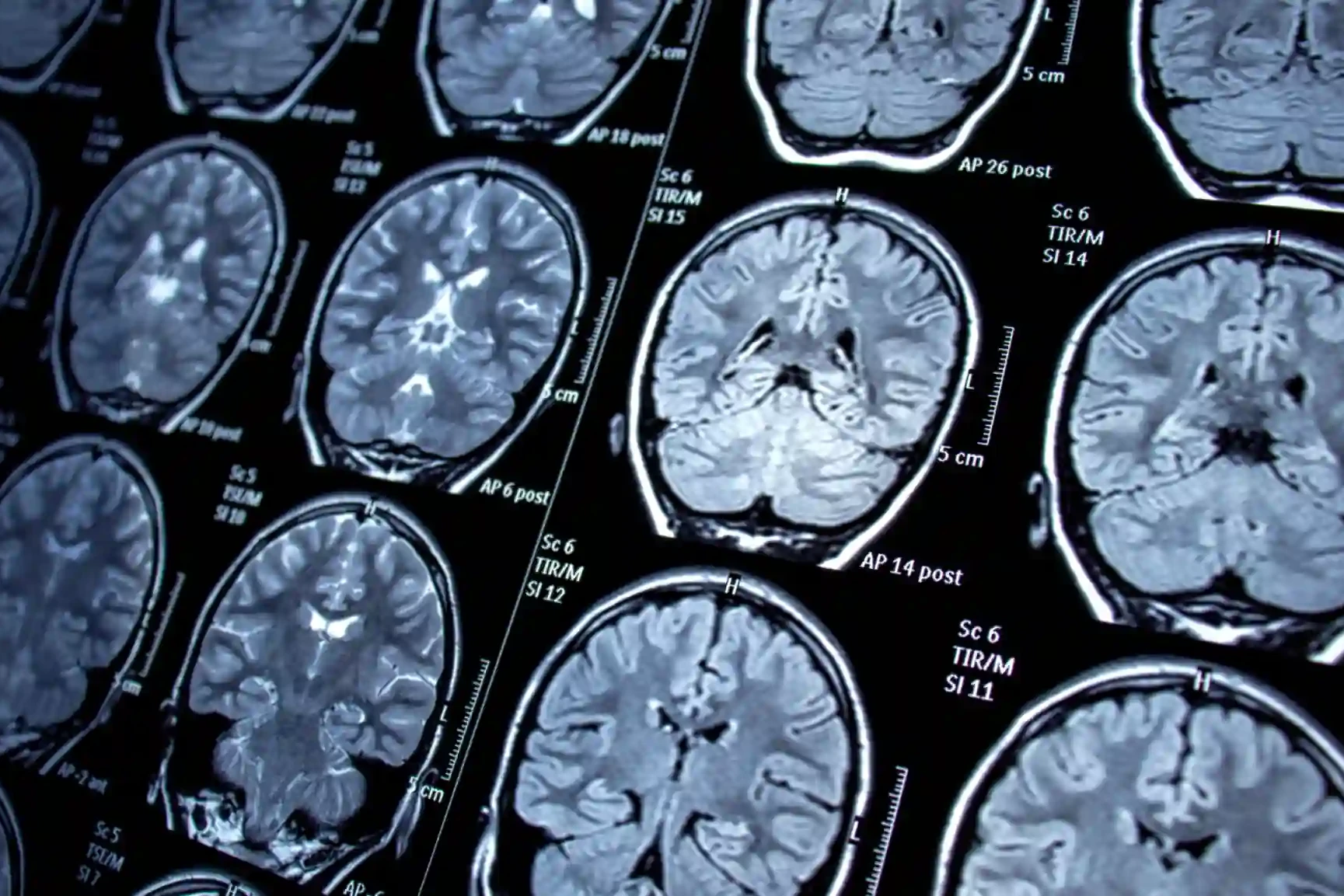
Epilepsy is a long-term brain condition that causes repeated seizures. A seizure happens when brain cells send sudden and abnormal signals. These signals disrupt normal brain activity. You can lose awareness, feel strange body sensations, or have uncontrolled movements.
Doctors diagnose epilepsy only when seizures happen more than once and are not caused by fever, infection, low blood sugar, or drug withdrawal. This condition affects children and adults and varies greatly from person to person.
What Are the Causes of Epilepsy
Understanding the causes of epilepsy helps doctors choose the right care plan. In many people, seizures start due to a clear brain-related reason. In others, the cause stays unclear even after testing.
Genetic Causes of Epilepsy
Some seizures begin because of gene changes. These genes control how brain cells send signals. When signaling becomes unstable, seizures can occur. You may not have brain damage or injury in these cases.
A family history of seizures can raise risk, but inheritance is not always direct. Some gene changes appear for the first time in a child. These genetic forms often start early in life and may respond well to specific medicines.
Structural and Brain Injury Causes
Damage to brain tissue is a common trigger. This damage may happen before birth, during delivery, or later in life. Examples include lack of oxygen at birth, stroke, head injury, or brain tumors. Scar tissue in the brain can disrupt normal signaling. Seizures may begin months or years after the injury. The risk depends on the injury location and severity.
Infections and Metabolic Causes
Certain brain infections raise seizure risk. These include meningitis (infection of brain coverings) and encephalitis (infection of brain tissue). Parasites that affect the brain can also play a role in some regions. Metabolic problems like very low blood sugar, sodium imbalance, or kidney failure can stress brain cells. These problems may cause seizures that later lead to epilepsy if brain injury occurs.
Some events look like seizures but do not start in the brain. These episodes relate to mental stress, trauma, or anxiety. Doctors describe the causes of psychogenic non-epileptic seizures as stress-related changes in body response rather than abnormal brain signals. These events need a different treatment plan.
Unknown (Idiopathic) Causes
Tests show no clear cause. Brain scans look normal. Blood tests show no trigger. Doctors call these cases idiopathic. Even without a known cause, seizure control is often possible with proper care.
What Are the Symptoms of Epilepsy
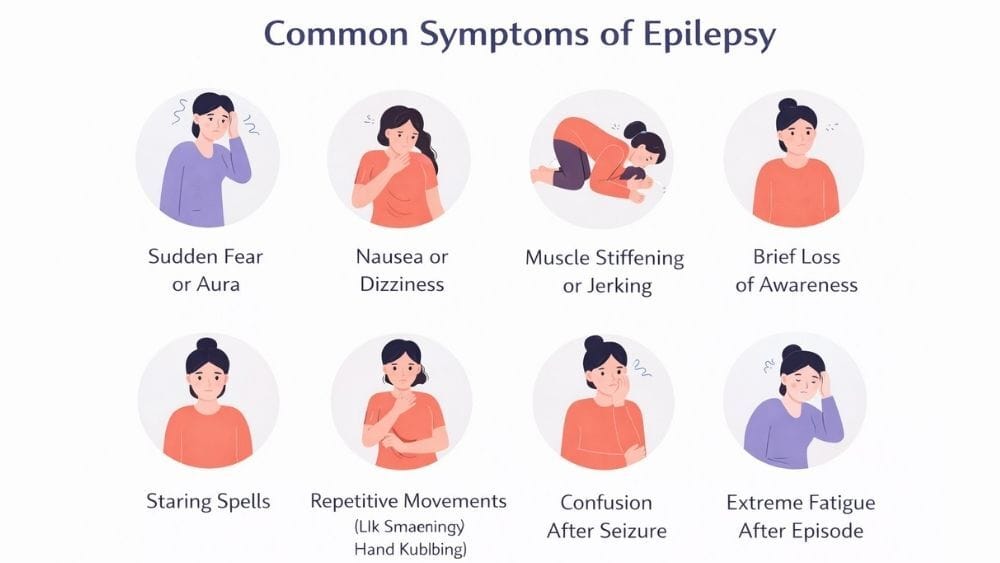
Seizures affect people in different ways. The symptoms of epilepsy depend on which brain areas are involved and how far the abnormal signals spread.
Early Warning Signs (Auras)
Some seizures start with a warning. This warning is called an aura. You may feel sudden fear, nausea, or dizziness. Some people smell or taste something that is not there. Vision may blur or flash. These signs can last seconds and may help you move to a safe place before the seizure worsens.
Physical Symptoms During Seizures
Physical signs vary widely. Muscles may stiffen or jerk. Your body may fall to the ground. Breathing can slow or pause briefly. Some people drool or clench their jaw. Not all seizures cause shaking. Some involve only small movements or brief loss of muscle control.
Cognitive and Behavioral Symptoms
Some seizures affect thinking rather than movement. You may stare into space and not respond. Speech may stop. You may repeat simple actions like lip smacking or hand rubbing. Awareness often fades during these events. Memory gaps after the seizure are common.
Post-Seizure (Postictal) Symptoms
After a seizure, your brain needs time to recover. You may feel very tired. Headache is common. Confusion can last minutes or hours. Mood changes such as irritability or sadness may appear. Rest helps recovery, but repeated seizures can prolong this phase.
Types of Epilepsy
Doctors classify seizures by how and where they start in the brain. These groups form the types of epilepsy used in diagnosis and treatment planning.
Focal (Partial) Epilepsy
Focal seizures begin in one specific brain area. Symptoms match the job of that area. If the motor area is involved, muscles move. If the sensory area is involved, strange feelings occur. Awareness may stay normal or become impaired.
Focal Aware Seizures
In focal aware seizures, you remain conscious. You know something unusual is happening. You may feel tingling, sudden emotion, or muscle twitching. These seizures often last less than a minute.
Focal Impaired Awareness Seizures
Awareness drops during these seizures. You may stare, wander, or perform repeated actions. You usually do not remember the event. Recovery may include confusion and fatigue.
Generalized Epilepsy
Generalized seizures involve both sides of the brain from the start. Awareness usually disappears right away. Muscle control often changes suddenly.
Tonic-Clonic Seizures
These seizures cause body stiffening followed by rhythmic jerking. Breathing can change during the event. Recovery takes time, and deep sleep often follows.
Absence Seizures
Absence seizures cause brief staring spells. They last only seconds but may happen many times a day. Children often experience them. Teachers may confuse them with daydreaming.
Myoclonic Seizures
Myoclonic seizures cause sudden, short muscle jerks. Arms and shoulders are often affected. These jerks often occur after waking.
Combined Generalized and Focal Epilepsy
Some people have both focal and generalized seizures. Diagnosis requires careful testing. Treatment plans must address both seizure patterns.
Epilepsy Syndromes
Certain seizure patterns group together with the age of onset and EEG features. These patterns form syndromes. Correct identification matters because medicine response differs by syndrome.
Stages of Epilepsy
Seizures usually move through clear phases. These phases affect how you feel before, during, and after a seizure. Knowing the stages of epilepsy helps you and caregivers respond better and reduce injury risk.
Stage 1: Seizure Onset
This stage begins when abnormal brain signals start. You may notice an aura, such as sudden fear, nausea, warmth, or flashing lights. Not everyone gets a warning. When present, this stage gives you seconds to sit, lie down, or alert someone nearby.
Stage 2: Active Seizure Phase
This phase includes visible seizure activity. Muscles may stiffen or jerk. Awareness may drop fully or partially. Breathing patterns can change. The length varies from seconds to a few minutes. Longer seizures increase medical risk and need urgent care.
Stage 3: Recovery (Postictal Phase)
Your brain slows to reset after the seizure. You may feel exhausted, confused, or sore. Speech may stay unclear for a while. Memory gaps are common. Rest, hydration, and a calm space help recovery.
How Is Epilepsy Diagnosed
Diagnosis relies on pattern recognition, not a single test. Doctors combine history, exams, and technology to confirm epilepsy and rule out other conditions.
Medical History and Neurological Exam
Doctors ask detailed questions about seizure events. Witness accounts matter more than memory alone. The exam checks reflexes, balance, speech, and strength. Certain patterns hint at seizure type and brain region involved.
EEG and Brain Imaging (MRI, CT)
EEG records electrical brain activity. It may show spikes that signal seizure risk, even between seizures. MRI looks for scars, tumors, or birth-related changes. CT scans help in urgent settings when MRI is unavailable.
Blood Tests and Other Investigations
Blood tests check sugar levels, salts, liver, and kidney function. These tests rule out temporary seizure causes. In selected cases, genetic testing helps explain early-onset or treatment-resistant seizures.
Treatment of Epilepsy
The goal of the treatment of epilepsy is seizure control with minimal side effects. Care plans differ by seizure type, age, and overall health.
Anti-Seizure Medications
Doctors usually start with one medicine. The choice depends on seizure type and age. Dosage varies by body weight and response. Missing doses raises seizure risk. Many people achieve good control with medication alone.
Dietary Therapy (Ketogenic Diet)
This diet uses high fat and very low carbohydrates. It changes how the brain uses energy. It helps some children with hard-to-control seizures. Medical supervision is essential due to nutrition risks.
Epilepsy Surgery
Surgery helps when seizures start from one safe-to-remove brain area. Extensive testing confirms location and function. Surgery can reduce or stop seizures in selected cases.
Neurostimulation Devices
These devices send mild electrical signals to calm brain activity. Options include vagus nerve and responsive stimulation. They reduce seizure frequency but rarely stop seizures completely.
Lifestyle and Trigger Management
Sleep loss, illness, alcohol, and missed medication trigger seizures. Managing these factors improves control. Stress reduction and routine schedules support brain stability.
Living With Epilepsy
Daily life with epilepsy requires planning, not isolation. With support and structure, most people maintain independence.
Managing Seizure Triggers
Keeping a seizure diary helps identify triggers. Common ones include poor sleep, dehydration, flashing lights, and fever. Avoiding known triggers reduces seizure frequency over time.
Safety, Driving, and Daily Life
Safety steps lower injury risk. Showers are safer than baths. Helmets help during sports. Driving laws require a seizure-free period that varies by region. Following rules protects you and others.
Epilepsy in Children vs Adults
Children may outgrow certain seizure types as the brain matures. Adults often deal with work and driving limits. Both groups benefit from education and family support.
Complications of Epilepsy
Most seizures end safely, but risks exist when control is poor or care is delayed.
Status Epilepticus
This is a seizure lasting over five minutes or repeated seizures without recovery. It can cause brain injury. Immediate medical treatment is critical to stop the seizure and protect breathing.
Sudden Unexpected Death in Epilepsy (SUDEP)
SUDEP occurs when a person with epilepsy dies without a clear cause. Risk rises with frequent tonic-clonic seizures, especially during sleep. Good seizure control lowers this risk.
Prognosis and Outlook
Long-term outlook depends on seizure type, cause, and response to treatment.
Can Epilepsy Be Cured?
Some people become seizure-free for years. Surgery or medication may allow drug withdrawal under medical care. Doctors usually describe this as remission, not cure, due to relapse risk.
Long-Term Management and Quality of Life
Consistent treatment improves quality of life. Many people work, study, and raise families. Support groups and education reduce fear and stigma.
When to See a Doctor
Timely care prevents complications and speeds diagnosis.
First Seizure: What to Do
Yes, you should see a doctor after a first seizure. Testing helps identify cause and recurrence risk. Early care improves long-term seizure control.
Emergency Warning Signs
Call emergency services if a seizure lasts over five minutes, breathing does not return, injury occurs, or seizures repeat without recovery.
FAQs
Is epilepsy hereditary?
Yes, epilepsy can be hereditary in specific genetic forms. These involve gene changes that affect brain signaling. However, most cases do not follow simple inheritance and occur without family history.
Can epilepsy start at any age?
Yes, epilepsy can begin at any age. Childhood cases often relate to genetics or development. Adult-onset cases often link to stroke, head injury, or brain infection.
How long do people with epilepsy live?
People with well-controlled epilepsy usually live normal lifespans. Risk increases with uncontrolled seizures, especially tonic-clonic seizures and missed medication, not with the diagnosis itself.
Can epilepsy go away on its own?
Yes, some childhood epilepsy syndromes stop as the brain matures. In adults, spontaneous resolution is rare without treatment or surgery.
What triggers seizures in epilepsy?
Common triggers of epilepsy include sleep deprivation, missed medication, fever, alcohol use, flashing lights, and severe stress. Triggers vary by individual and seizure type.
Is epilepsy a disability?
Yes, epilepsy can be a disability when seizures limit work, driving, or safety. Many people qualify for legal protections and workplace accommodations when needed.
What is the difference between seizures and epilepsy?
A seizure is a single event. Epilepsy means having repeated, unprovoked seizures due to ongoing brain instability, not a temporary medical problem.
About The Author

Medically reviewed by Dr. Chandril Chugh, MD, DM (Neurology)
Dr. Chandril Chugh is a U.S.-trained, board-certified neurologist with expertise in diagnosing and managing neurological disorders, including migraines, epilepsy, Parkinson’s disease, and movement disorders. His clinical focus includes evidence-based neurological care and patient education.
All content is reviewed for medical accuracy and aligned with current neurological guidelines.