Psychogenic non epileptic seizure refers to seizure-like episodes that look similar to epilepsy but do not come from abnormal electrical activity in the brain. These episodes happen because the brain responds to stress, trauma, or emotional overload through physical symptoms.
The body reacts when emotional pressure becomes too heavy to manage. These events are real, frightening, and medically recognized. People live for years with repeated episodes before getting the correct diagnosis. During that time, they often receive anti-seizure drugs that do not help. Early recognition reduces harm, fear, and long-term disability linked to a psychogenic non epileptic seizure .
Causes of Psychogenic Non-Epileptic Seizures
PNES develops from a mix of emotional stress, mental health conditions, and past experiences. The nervous system acts as a pressure valve when emotional pain stays unprocessed.
Psychological Trauma and Stress
Severe or long-lasting stress changes how the brain handles danger. When stress stays high, the nervous system remains in survival mode. Over time, this overload can turn into physical events.
Common stress-related triggers include:
- Sudden loss of a loved one
- Domestic violence
- Workplace bullying
- Ongoing caregiving stress
- Financial insecurity
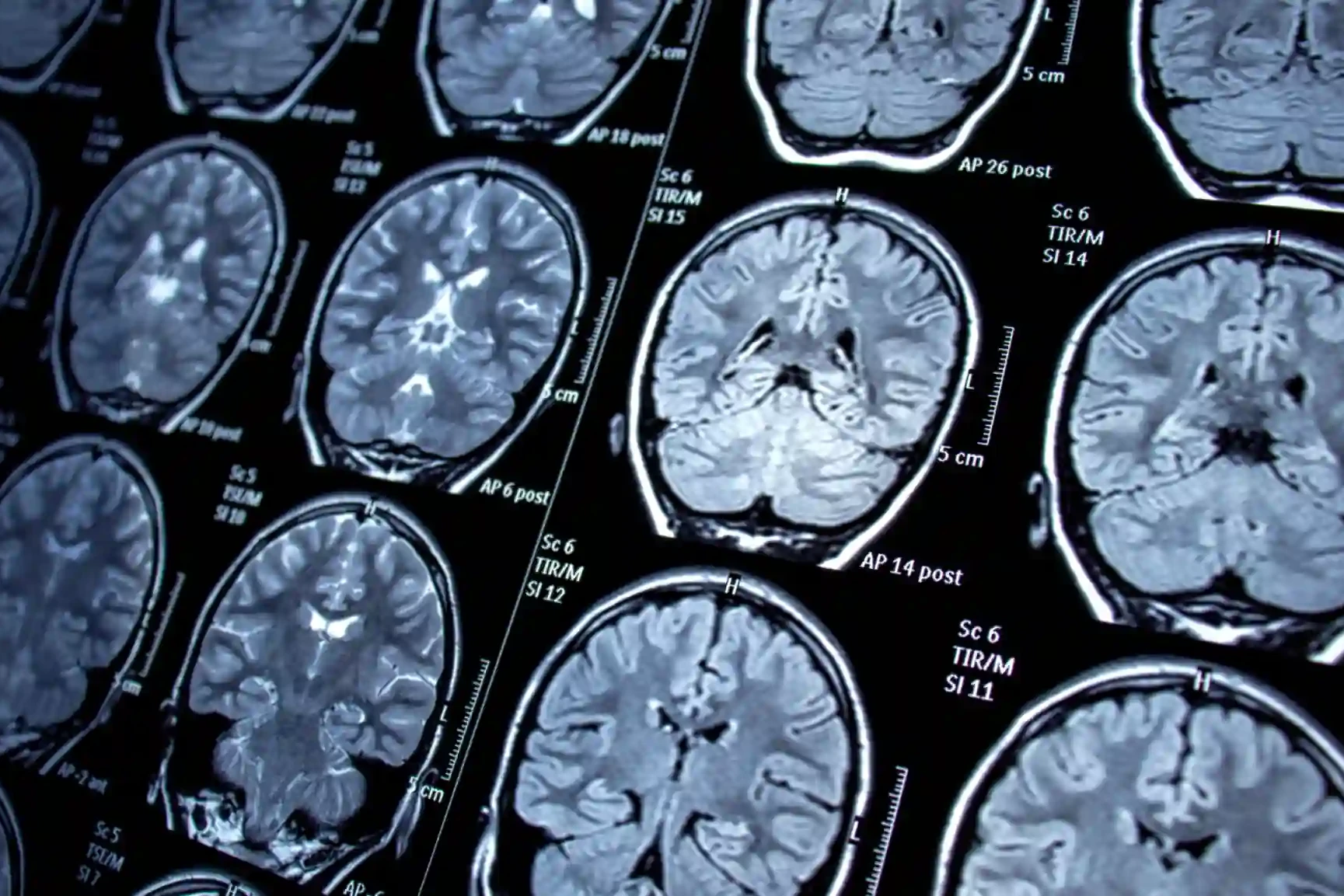
In these situations, the brain cannot release tension through normal emotional outlets. A psychogenic non epileptic seizure becomes the body’s emergency response. Brain scans during episodes show no seizure activity, but stress hormones rise sharply, which explains the intense physical reaction.
Anxiety, Depression, and PTSD
Anxiety disorders keep the body alert even when no threat exists. Depression reduces emotional flexibility. PTSD locks the brain into past danger memories.
These conditions disrupt the brain areas that control emotion and movement. Research shows altered communication between the emotional brain and motor control centers. This disruption increases the risk of PNES episodes.
Mental health disorders are among the strongest causes of psychogenic non-epileptic seizures , especially when left untreated. Emotional suppression increases episode frequency and severity.
Conversion Disorder and Somatic Symptom Disorders
PNES falls under conversion disorder. Conversion means the brain changes emotional distress into physical symptoms. This process happens without conscious choice.
The brain uses the body as a language. When emotional expression feels unsafe, physical symptoms appear. This explains why people cannot stop a psychogenic non epileptic seizure even when they want to.
Somatic symptom disorders also play a role. These conditions cause real physical symptoms driven by stress rather than disease damage.
Childhood Trauma and Adverse Experiences
Early trauma reshapes brain development. Abuse, neglect, or unstable caregiving teaches the nervous system to stay alert.
Children exposed to trauma often learn to disconnect from emotions to survive. As adults, that stored stress resurfaces physically. Studies consistently link childhood trauma with PNES onset later in life.
This history explains why many adults with PNES cannot identify a current stressor. The body reacts to old danger patterns stored in memory.
Symptoms of Psychogenic Nonepileptic Seizures
PNES symptoms vary widely. No two people present exactly the same way. Episodes may look dramatic or subtle.
Physical Symptoms
Physical signs often include:
- Shaking or jerking movements
- Body stiffening
- Falling to the ground
- Side-to-side head movement
- Arching of the back
- Eyes tightly closed
These movements may last longer than epileptic seizures. Injuries can occur, but severe tongue biting and serious oxygen loss are uncommon. These features help separate PNES from epilepsy when doctors assess symptoms of psychogenic nonepileptic seizures .
Emotional and Cognitive Symptoms
You feel emotional changes before episodes begin. These include:
- Sudden fear
- Emotional numbness
- Feeling detached from reality (dissociation, meaning feeling unreal or disconnected)
- Racing thoughts
During episodes, awareness may shift. Some people hear voices or feel trapped in their body. These experiences are not psychosis. They reflect stress overload in brain circuits controlling awareness.
Post-Episode Symptoms
After episodes, you often feel:
- Deep exhaustion
- Muscle soreness
- Head pressure
- Shame or embarrassment
Recovery is usually quicker than epilepsy. Confusion fades faster. Memory often returns fully. These after-effects still feel disabling and disrupt daily life after a psychogenic non epileptic seizure .
Signs of Psychogenic Nonepileptic Seizures
Doctors look for consistent patterns that separate PNES from epileptic seizures. Patterns matter more than one feature.
Behavioral Signs During an Episode
Common behavioral features include:
- Long-lasting episodes without loss of oxygen
- Crying or vocal sounds during events
- Irregular movement patterns
- Closed eyes with resistance when opened
These behaviors reflect emotional involvement rather than electrical brain discharge. They appear frequently among signs of psychogenic nonepileptic seizures seen in specialized clinics.
Emotional Triggers and Patterns
Episodes often follow emotional stress rather than physical illness. Triggers may include:
- Arguments
- Trauma reminders
- Feeling trapped or powerless
- Sudden emotional overload
Episodes may cluster during stressful periods and reduce during calm phases. This pattern supports a diagnosis of psychogenic non epileptic seizure rather than epilepsy.
Differences From Epileptic Seizure Signs
Key differences include:
- Normal brain electrical activity during events
- Lack of post-seizure confusion lasting hours
- Rare serious injury from falls
- Variable episode appearance
Doctors use these distinctions to avoid misdiagnosis. Correct identification of signs of psychogenic nonepileptic seizures prevents years of ineffective treatment.
Treatment of Psychogenic Nonepileptic Seizures
Effective care focuses on the brain–mind connection. Physical seizure drugs do not correct the root problem. Treatment works best when it targets stress processing, trauma, and emotional regulation. Proper treatment of psychogenic nonepileptic seizures reduces episode frequency, severity, and fear over time.
Cognitive Behavioral Therapy (CBT)
CBT helps you identify stress patterns that trigger episodes. You learn how thoughts affect body reactions. Therapy sessions focus on recognizing early warning signs and stopping escalation before a psychogenic non epileptic seizure starts.
CBT also teaches grounding skills, emotional labeling, and stress control. Evidence shows fewer episodes when CBT is followed consistently for several months.
Trauma-Focused Therapy
Trauma-focused therapy addresses unresolved trauma stored in the nervous system. This includes methods that safely process memories without overwhelming you. As trauma responses calm down, the body no longer needs seizures as an outlet. This approach works well when past abuse, violence, or major loss is the cause of psychogenic non-epileptic seizures .
Psychodynamic and Interpersonal Therapy
These therapies explore emotional conflicts and relationship stress. They focus on how unmet emotional needs turn into physical symptoms. You learn how emotional avoidance feeds episodes. Over time, insight reduces symptom expression. This approach helps when PNES links strongly to interpersonal stress.
Role of Medications (When Needed)
Medications do not treat PNES directly. Doctors may prescribe them for anxiety, depression, or PTSD. These drugs reduce background stress that fuels episodes. Dosage varies by age, symptoms, and health history. Medication supports therapy but does not replace treatment of psychogenic nonepileptic seizures .
Multidisciplinary Treatment Approach
The best outcomes occur when neurologists and mental health professionals work together. Neurologists confirm diagnosis. Therapists address emotional causes. Psychiatrists manage medications if needed.
This team-based care prevents mixed messages and improves trust in managing a psychogenic non epileptic seizure condition.
How Is PNES Diagnosed
Accurate diagnosis prevents years of wrong treatment. Diagnosis relies on observing episodes, brain activity, and emotional history together. No blood test confirms PNES. Doctors combine multiple tools to ensure PNES is diagnosed correctly and safely.
Role of Video EEG Monitoring
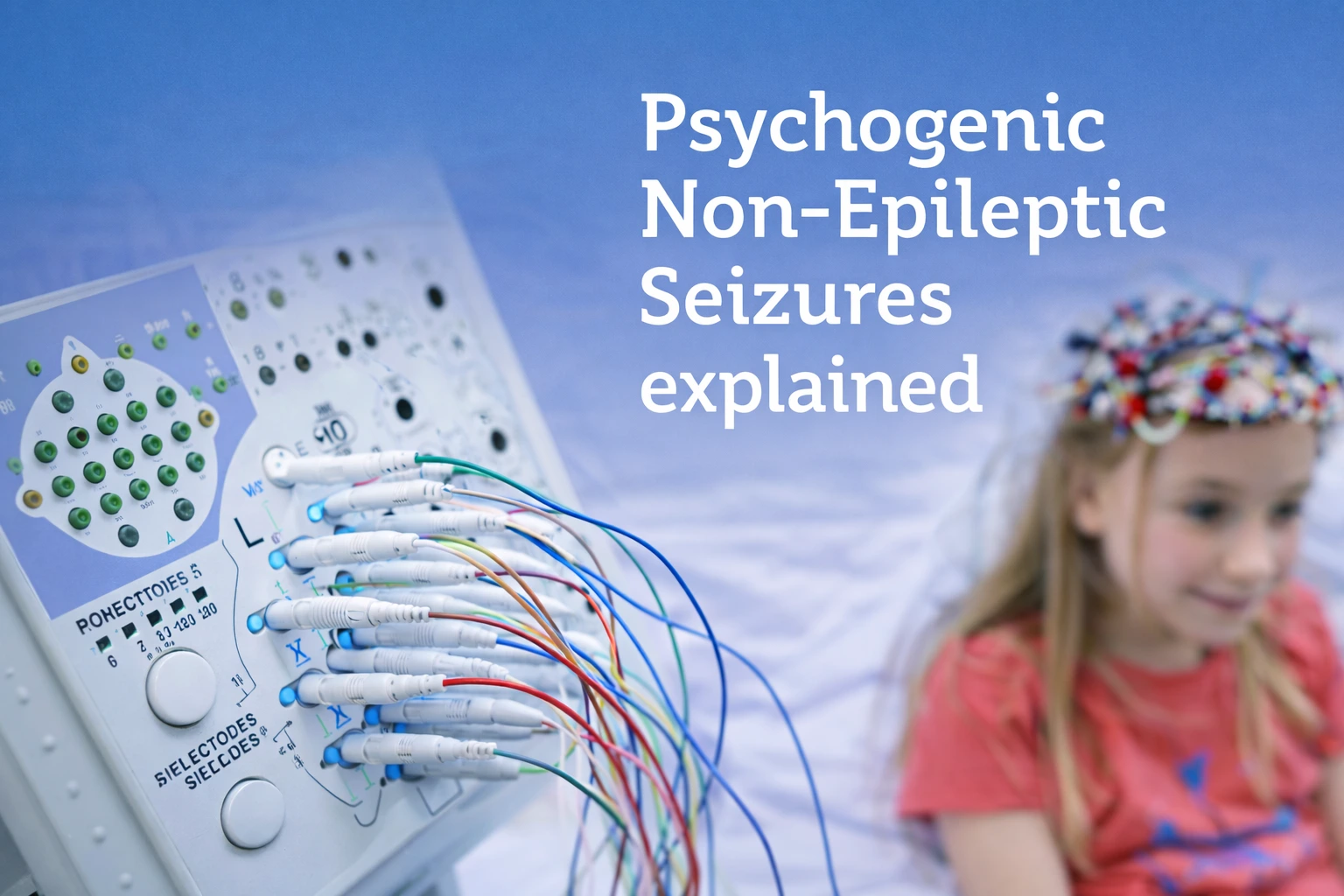
Video EEG records brain waves while video captures body movement. During PNES episodes, brain electrical activity stays normal. This confirms events are not epileptic. Video EEG remains the most reliable way PNES is diagnosed and epilepsy is ruled out.
Medical History and Psychiatric Evaluation
Doctors review trauma history, stress patterns, and mental health symptoms. Psychiatric evaluation identifies anxiety, depression, dissociation, or PTSD. These factors strongly support the diagnosis.
Common Diagnostic Delays and Errors
Many patients wait five to seven years for correct diagnosis. Misdiagnosis leads to unnecessary medications and repeated ER visits. Delays worsen disability and fear. Early confirmation improves outcomes once PNES is diagnosed accurately.
Living With Psychogenic Non Epileptic Seizures
Daily management focuses on reducing triggers and restoring confidence. Life improves when you understand warning signs and learn emotional regulation. Education matters as much as therapy for managing a psychogenic non epileptic seizure .
Coping Strategies for Patients
Helpful strategies include tracking stress levels, practicing grounding exercises, and maintaining sleep routines. Learning to pause during emotional overload prevents escalation. Regular therapy homework strengthens control over symptoms of psychogenic nonepileptic seizures .
Family Education and Support
Family understanding reduces shame and conflict. When family reacts calmly, episodes shorten and reduce. Education helps loved ones respond safely without panic. Supportive environments improve recovery from psychogenic non epileptic seizure episodes.
Managing Triggers and Stress
Triggers include emotional overload, fatigue, and conflict. You learn to identify early body signals, such as chest tightness or dissociation. Addressing stress early prevents full episodes and reduces symptoms of psychogenic nonepileptic seizures over time.
Prognosis and Outlook for PNES
Recovery varies but improvement is realistic. Long-term outcomes depend on engagement in therapy and trauma processing. PNES does not damage the brain, which supports recovery potential after a psychogenic non epileptic seizure diagnosis.
Factors That Improve Recovery
Early diagnosis, consistent therapy, and addressing trauma improve outcomes. Family support and reduced stigma also matter. Patients who understand their triggers recover faster from treatment of psychogenic nonepileptic seizures .
Long-Term Outcomes
Some people achieve full remission. Others see major reduction in episodes. Poor outcomes link to untreated trauma or ongoing stress. With proper care, quality of life improves even if episodes do not disappear completely.
Importance of Early Diagnosis
Early diagnosis prevents years of unnecessary drugs and disability. It allows faster access to therapy. Earlier care improves long-term stability once PNES is diagnosed properly.
When to Seek Medical or Mental Health Help
Prompt care reduces harm. Do not wait if episodes worsen or safety becomes a concern. Early intervention prevents complications tied to repeated psychogenic non epileptic seizure events.
Red Flags That Require Immediate Attention
Seek urgent care if episodes cause injury, breathing problems, or suicidal thoughts. Sudden changes in episode pattern also require review. These signs may indicate added medical or psychiatric risks.
Finding the Right Specialist
Look for neurologists familiar with PNES and therapists experienced in trauma care. Avoid providers who dismiss symptoms. Proper expertise ensures accurate management of signs of psychogenic nonepileptic seizures .
FAQs
Are psychogenic non epileptic seizures real?
Yes. Psychogenic non epileptic seizure episodes are medically real. Brain scans show normal electrical activity, but stress circuits activate strongly, causing involuntary physical reactions that patients cannot control.
Can PNES go away with treatment?
Yes. With consistent therapy, many people reduce episodes by more than 50 percent within one year. Some achieve full remission when treatment of psychogenic nonepileptic seizures addresses trauma and stress patterns early.
Is PNES a mental illness or neurological disorder?
It is neither purely mental nor neurological. Psychogenic non epileptic seizure involves abnormal stress processing between emotional and motor brain areas without structural brain disease or epileptic activity.
How long does PNES treatment take?
Treatment usually lasts six to eighteen months. Improvement often begins within three months of structured therapy. Duration depends on trauma severity and engagement in treatment of psychogenic nonepileptic seizures .
Can stress alone cause PNES episodes?
Yes. Severe or repeated stress can trigger episodes even without trauma history. Stress overload disrupts brain-body regulation, leading to causes of psychogenic non-epileptic seizures in vulnerable individuals.
Why do anti-seizure medications not work for PNES?
Anti-seizure drugs target electrical brain activity. Psychogenic non epileptic seizure episodes do not involve abnormal electrical firing, so these medications provide no benefit and may cause side effects.
Can children develop psychogenic non epileptic seizures?
Yes. Children and teens can develop PNES, often linked to school stress, bullying, or family conflict. Early therapy improves outcomes and reduces signs of psychogenic nonepileptic seizures .
Is PNES considered a disability?
Yes, in severe cases. Recurrent psychogenic non epileptic seizure episodes can limit work or school function. Disability status depends on frequency, safety risks, and response to treatment.
About The Author

Medically reviewed by Dr. Chandril Chugh, MD, DM (Neurology)
Dr. Chandril Chugh is a U.S.-trained, board-certified neurologist with expertise in diagnosing and managing neurological disorders, including migraines, epilepsy, Parkinson’s disease, and movement disorders. His clinical focus includes evidence-based neurological care and patient education.
All content is reviewed for medical accuracy and aligned with current neurological guidelines.