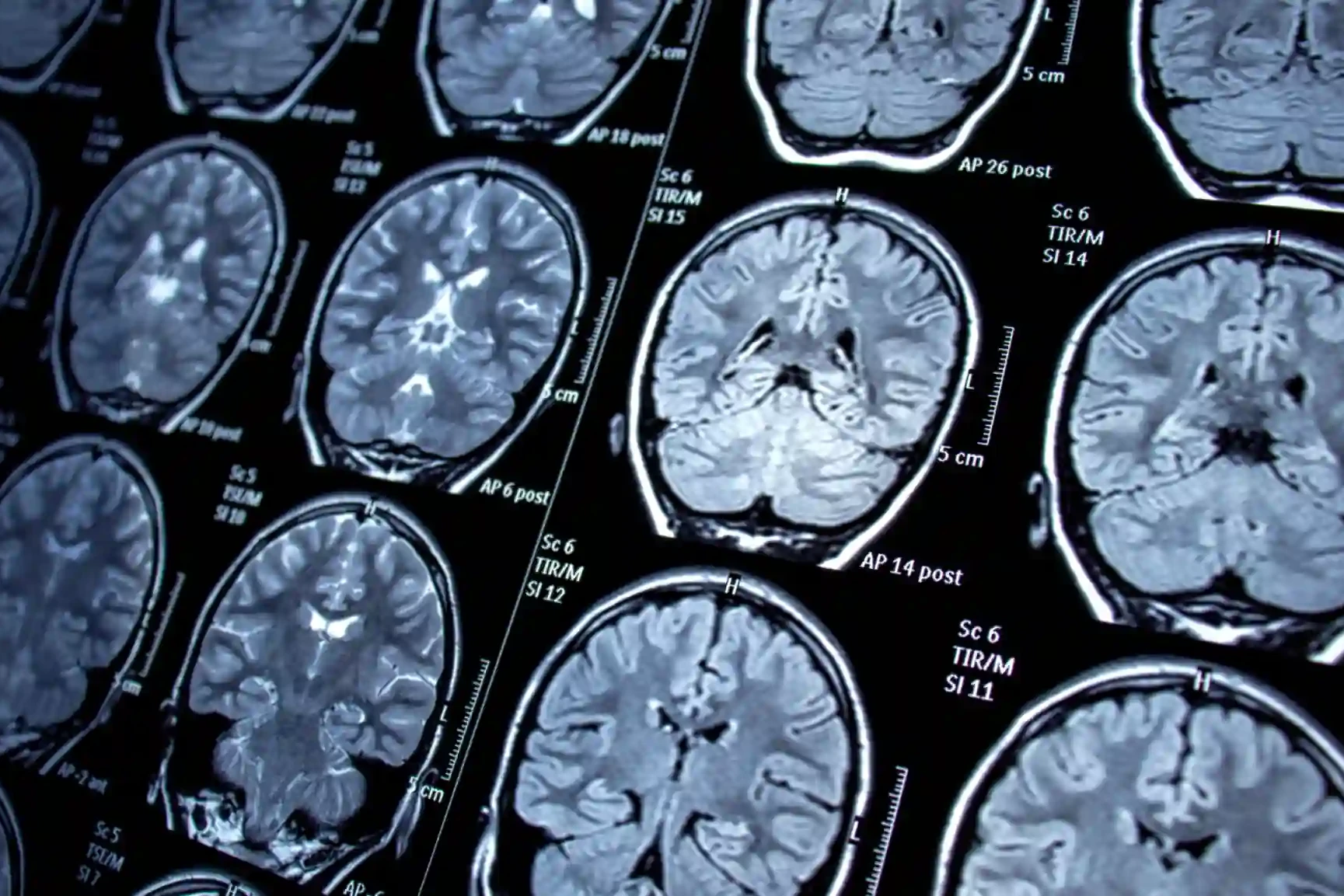
A neurological disorder is a health condition that disrupts how your brain, spinal cord, or nerves work. These structures control every move, thought, and sense in your body, so even small changes can affect how you function each day.
When these pathways stop working in the right way, problems appear with movement, memory, sensation, or behavior. Some conditions begin suddenly, such as stroke, while others develop slowly, such as Alzheimer’s disease. Together, common neurological disorders like migraine, epilepsy, stroke, peripheral neuropathy, multiple sclerosis, and Parkinson’s disease affect millions of people across all ages.
They often share early signs such as headaches, numbness, weakness, or confusion, which makes awareness important. Understanding these common neurological disorders helps you seek timely care, protect long-term brain health, and make informed decisions about treatment and support.
What Are Neurological Disorders?
Neurological disorders are conditions that disturb the normal work of your nervous system. That system includes your brain, your spinal cord, and the long network of nerves that reach every organ and limb. These structures act as your control center and wiring. They send and receive signals that guide each step, breath, heartbeat, and thought.
When the nervous system stops working in the right way, common neurological disorders appear. You may notice headaches, weakness, numbness, memory loss, or changes in mood and speech. There are hundreds of named conditions, and new research keeps refining how doctors group and treat them. Some problems are short-term and improve. Others are long-term and need regular follow-up.
You will see many different neurological conditions throughout your life. Some begin before birth. Others show up after infection, injury, or aging. A few are strongly genetic, which means they are passed in families. Many reflect a mix of genes, lifestyle, and environmental exposures. All of them matter because they affect how you function and how independent you can stay.
How The Brain, Spinal Cord & Nerves Function
Your brain is located inside your skull and acts as your main command center. It handles memory, language, emotions, planning, and decision-making. The spinal cord is a thick bundle of nerve tissue that runs down your back. It links the brain to every part of your body.
From the spinal cord, nerves spread into your arms, legs, chest, face, and internal organs. These nerves carry messages in two directions. One direction sends commands from the brain, such as “move your hand” or “take a breath.” The other direction sends updates back, such as pain, temperature, touch, or body position.
Common neurological disorders interrupt these signals. Damage in the brain can affect speech or memory. Injury to the spinal cord can change movement or bladder control. Damage in the peripheral nerves can cause burning, tingling, or loss of feeling in your feet and hands. Good treatment plans try to protect these pathways and help remaining nerves work as well as possible.
Nervous System Disorders Examples
There are many examples of nervous system disorders that you may already know by name. Headache conditions such as migraine, tension headache, and cluster headache affect a large share of the world’s population and are among the most frequent neurological problems. Epilepsy causes repeated seizures. Stroke damages brain tissue when blood flow is blocked or when bleeding happens inside the brain.
Other well-known common neurological disorders include Alzheimer’s disease, Parkinson’s disease, multiple sclerosis, brain tumors, traumatic brain injury, diabetic neuropathy, meningitis, and cancers of the nervous system. There are more than 400 to 600 different conditions, yet these few account for much of the daily impact that patients and families feel.
Each of these common neurological disorders has its own pattern, risk factors, and likely course. Together they shape how you move, how you think, and how independent you can stay.
How Neurological Disorders Affect Daily Life
Common neurological disorders can change almost every part of your day. You might notice trouble with walking, balance, or hand control. You may drop objects, move more slowly, or feel unsure on stairs. Some people feel burning or numbness that makes it hard to stand, work, or sleep.
Thinking and mood can also shift. Conditions that count among the most common brain disorders , such as dementia and stroke, can affect memory, attention, planning, and judgment. You might repeat questions, misplace important items, or struggle to follow conversations. Many people with common neurological disorders feel tired, anxious, or sad because activities that once felt easy now take much more effort.
These changes do not look the same in every person. Severity can range from mild limits in one task to full loss of independence. Early information about the causes of these conditions and the available treatment options helps you plan work, family roles, finances, and long-term support.
Types Of Neurological Disorders
Experts group common neurological disorders in several useful ways. One group focuses on problems that mainly affect the central nervous system, which includes the brain and spinal cord. Another group focuses on conditions that mainly affect the peripheral nerves outside the spinal cord. These broad categories help doctors decide which tests and treatments are most useful for you.
Headache Disorders (Migraine, Tension, Cluster)
Headache disorders are among the most frequent neurological problems worldwide and a major cause of disability. Migraine causes strong, throbbing head pain, often with nausea and sensitivity to light or sound. Tension headaches feel like a tight band around your head.
Cluster headaches bring very severe pain around one eye in short, repeated attacks. These conditions can lead to missed school, missed work, and lower quality of life if you do not receive correct treatment and lifestyle advice.
Neurodegenerative Disorders (Parkinson’s, Alzheimer’s)
Neurodegenerative disorders cause slow, ongoing loss of nerve cells. Parkinson’s disease often starts with tremor, stiffness, and slower movement. You may notice a softer voice, smaller handwriting, or a shuffling walk.
Alzheimer’s disease starts with memory loss and later affects language, behavior, and the ability to manage daily tasks such as cooking or handling money.
These conditions usually progress over years. Treatments can ease many symptoms but cannot fully stop the underlying nerve cell loss at this time. Research is active, and new drugs and non-drug approaches continue to appear, but results still vary between people.
Epilepsy And Seizure Disorders
Epilepsy is a brain condition that leads to repeated seizures. A seizure happens when groups of brain cells fire in a sudden, abnormal way. During a seizure, you might shake, stare, fall, or briefly lose awareness of your surroundings.
Some people have seizures that are easy to miss, such as short periods of blank staring or sudden jerks in one arm. Epilepsy is one of the most common long-term neurological conditions worldwide in both children and adults.
Stroke And Cerebrovascular Diseases
Stroke occurs when blood flow to part of the brain stops or when bleeding happens inside the brain. This cuts off oxygen and nutrients to brain cells, which can start to die within minutes. Symptoms can include sudden weakness on one side, a drooping face, or trouble speaking.
Cerebrovascular diseases also include conditions that narrow or damage brain blood vessels over time, which raises the risk of stroke. Stroke is a leading source of disability and death globally, so early recognition and rapid hospital care are critical.
Peripheral Neuropathy
Peripheral neuropathy affects the nerves that carry signals between your spinal cord and your limbs. Diabetes is a leading cause, but alcohol use, vitamin deficiency, and certain drugs can also damage these nerves. You may feel tingling, burning, or numbness in your feet or hands.
Over time, you might lose balance or develop sores on your feet without noticing them. Good blood sugar control, careful foot care, and targeted medicines can lower symptoms, but nerve recovery is often slow and sometimes incomplete.
Multiple Sclerosis (MS)
Multiple sclerosis is an immune system disease in which your body attacks the protective covering of nerve fibers. This covering is called myelin, and it helps signals travel quickly. When myelin is damaged, nerve signals slow down or get blocked. You might notice blurred vision, weakness, numbness, or trouble with balance. Symptoms often come in attacks, followed by periods of partial recovery.
There are several forms of MS, and modern treatments aim to reduce the number of attacks and slow long term disability. Results vary between people, and doctors choose each plan based on your age, other illnesses, and how active the disease looks on scans.
Brain Infections (Meningitis, Encephalitis)
Brain infections include meningitis, which affects the lining of the brain and spinal cord, and encephalitis, which affects the brain tissue. Germs such as bacteria and viruses are common causes.
Symptoms can include fever, severe headache, neck stiffness, confusion, and seizures. These infections can progress quickly, so urgent hospital care is essential to reduce the risk of long-term damage or death. Vaccines, early antibiotics, and antiviral drugs have improved outcomes, but not every case responds in the same way.
Most Common Brain Disorders
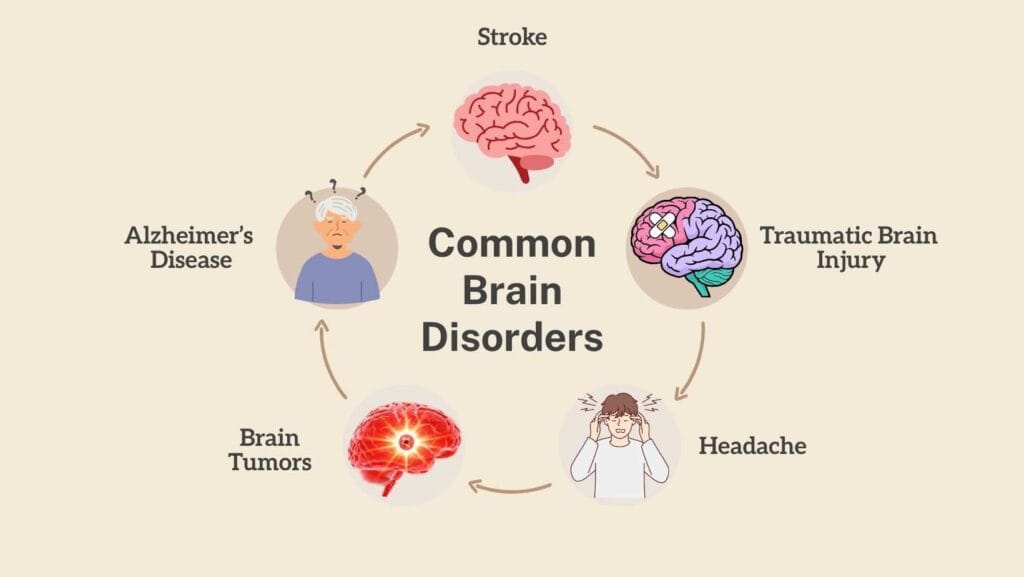
Some common neurological disorders mainly affect your brain. These are called most common brain disorders in many medical reports. They often change memory, movement, speech, or behavior. The main ones are Alzheimer’s disease, stroke, brain tumors, and traumatic brain injury.
Alzheimer’s Disease
Alzheimer’s disease is one of the most common brain disorders in older adults. It is a long-term brain condition that slowly damages memory and thinking. At first, you may forget recent events or repeat questions. Later, you may lose track of time, feel confused in familiar places, or struggle with money and daily tasks.
It is one of the common neurological disorders linked with abnormal protein deposits in the brain. These proteins disturb the way brain cells talk to each other. Over time, cells die and brain areas shrink.
Medicines may slow some symptoms for a while, but they do not cure the disease. Care usually includes memory support, safety steps at home, and help for caregivers.
Stroke
Stroke is both a brain condition and a blood vessel condition. It is high among most common brain disorders and is one of the leading causes of neurological disorders related to sudden brain damage. A stroke happens when a blood vessel in the brain gets blocked or bursts. Brain cells in that area lose oxygen and begin to die.
You may notice a drooping face, weakness on one side, trouble speaking, or sudden loss of vision. These signs mean you must seek emergency care at once. Fast treatment can limit damage and improve outcome. Stroke is one of the common neurological disorders where minutes really matter.
Brain Tumors
Brain tumors occur when cells grow in an abnormal way inside the skull. Some tumors start in the brain. Others spread from cancers in other organs. Tumors are counted among common neurological disorders in many cancer centers, although they are less frequent than stroke or migraine.
You might notice headaches, seizures, personality changes, or weakness. Treatment depends on tumor type and size. Options often include surgery, radiation, and medicines. Because every tumor behaves differently, there is no single rule that fits all patients.
Traumatic Brain Injury (TBI)
Traumatic brain injury comes from a blow or jolt to the head. Falls, crashes, sports hits, and violence are usual causes. Mild TBI, often called concussion, may cause headache, dizziness, or brief confusion. Severe TBI can cause coma, long-term thinking problems, or changes in mood and behavior.
TBI belongs to common neurological disorders seen in emergency rooms. Rest, rehab, and medical follow-up are key parts of care. Some people recover well. Others live with lasting issues and need long-term support.
Causes Of Neurological Disorders
There is no single cause behind common neurological disorders . Many factors blend together across your life. These causes of neurological disorders include genes, blood vessel problems, infections, injuries, toxins, and body chemistry changes.
Genetic & Hereditary Factors
Some types of neurological disorders run in families. In these cases, changes in certain genes make nerve cells more likely to fail. Examples include some forms of epilepsy, some muscle diseases, and certain rare movement conditions. Having a gene change does not always mean you will get the disease, but it raises risk.
Vascular Issues
Vascular causes relate to blood vessels. Stroke and other common brain disorders often start this way. High blood pressure, high cholesterol, smoking, and diabetes can damage vessel walls. Narrow or blocked vessels cut blood flow to brain tissue. If a vessel bursts, bleeding harms nearby cells.
Infections
Germs are an important part of the causes of neurological disorders . Bacteria, viruses, or fungi can reach the brain or spinal cord. They can cause meningitis, encephalitis, or brain abscess. Sometimes the immune system reacts strongly after infection and starts to attack nerve tissue by mistake. That can lead to conditions like Guillain-Barré syndrome.
Trauma: Accidents, Falls, Spinal Cord Injury
Physical injury is another common source of examples of nervous system disorders . A car crash can cause TBI. A fall can damage the spinal cord and lead to paralysis. Even minor head hits, if repeated many times, may raise long-term risk for some common neurological disorders that affect thinking or mood.
Environmental Toxins & Chemical Exposure
Some metals and chemicals damage nerve tissue. Lead, mercury, and certain pesticides can harm the brain or peripheral nerves. Workers in some jobs face higher exposure. Children absorb toxins more easily and suffer more harm. This group of causes of neurological disorders is partly preventable with strong safety rules.
Metabolic & Hormonal Imbalances
Changes in body chemistry also matter. Diabetes, thyroid disease, severe kidney or liver disease, and lack of vitamin B12 can all damage nerves. These conditions are frequent causes of neurological disorders like peripheral neuropathy. When you treat the underlying problem early, you may slow or limit nerve damage.
Symptoms Of Neurological Disorders
Signs of common neurological disorders can affect movement, feeling, thinking, mood, or awareness. You may have one group of symptoms or several at the same time.
Motor Symptoms
Motor symptoms are changes in how you move. They include weakness, tremors, stiffness, or paralysis. You may find it hard to button clothes, hold a cup, or walk without dragging one leg. Stroke, Parkinson’s disease, and some types of neurological disorders of the spinal cord all cause motor problems.
Sensory Symptoms
Sensory symptoms affect feeling in your skin or deeper tissues. You may notice numbness, tingling, burning, or loss of balance in the dark. Peripheral neuropathy, spinal cord injury, and some brain conditions are examples of nervous system disorders with strong sensory features.
Cognitive Symptoms
Cognitive symptoms affect memory, attention, language, and planning. You may forget recent talks, lose things, or feel slower when you think. Many most common brain disorders , including Alzheimer’s disease and some strokes, show these signs early.
Behavioral & Mood Changes
Some common neurological disorders change how you act or feel. You may become irritable, anxious, quieter, or more impulsive. Family members often notice these changes before you do. They can appear in dementia, TBI, and some brain tumors.
Seizures And Loss Of Consciousness
Seizures are sudden bursts of abnormal brain activity. You might shake, stiffen, stare, or lose awareness for a short time. Seizures can occur in epilepsy, after stroke, or with some infections and tumors. Any first seizure needs prompt medical review.
Neurological Disorders Diagnosis
To sort out types of neurological disorders , doctors combine history, exam, and tests. There is no single test that fits every case.
Neurological Exam
The neurologist checks strength, reflexes, walking, balance, vision, speech, and thinking. They ask when symptoms started, how they changed, and any family history. This first step guides which tests are useful and which treatment options for neurological disorders may help you.
Imaging
MRI and CT scans show detailed pictures of your brain and spinal cord. They can find stroke, tumors, bleeding, and structural changes behind many common neurological disorders . MRI gives more detail, while CT is faster in emergencies.
Nerve Conduction Tests
Nerve conduction studies and EMG measure how well signals travel through your nerves and muscles. These tests help confirm peripheral neuropathy and other examples of nervous system disorders that affect limbs.
Blood Work And Metabolic Panels
Blood tests check for infection, immune activity, vitamin levels, hormones, and organ function. They often reveal hidden causes of neurological disorders such as diabetes, thyroid disease, or vitamin deficiency.
Genetic Testing
In selected cases, doctors suggest genetic tests to look for known gene changes. This helps with some rare types of neurological disorders , guides family planning, and may direct future treatment as research grows.
Neurological Disorders Treatment Options
There are many treatment options for neurological disorders , but they must match your exact diagnosis, age, and other health issues. No one plan suits everyone.
Medications
Drugs help control seizures, reduce tremors, ease nerve pain, and lower stroke risk. In many common neurological disorders , doctors combine several medicines, adjust doses over time, and watch for side effects. Dosage always varies by age, kidney function, and other factors.
Physical, Occupational & Speech Therapy
Therapy supports movement, daily tasks, and communication. Physical therapy builds strength and balance. Occupational therapy helps you manage dressing, cooking, or work tasks. Speech therapy helps with speech, swallowing, and sometimes memory strategies. These are key treatment options for neurological disorders that cause disability.
Surgery
Some conditions need surgery. Examples include removal of brain tumors, repair of bleeding vessels, or placement of devices to help control seizures or severe Parkinson’s symptoms. Surgery always carries risk, so your team weighs benefits and harms in your specific case.
Lifestyle Changes & Long-Term Management
Sleep, exercise, and food choices affect many common neurological disorders . Regular activity, a heart-healthy diet, no smoking, and good control of blood pressure and blood sugar all lower stroke risk and support brain health. These steps support other treatment options for neurological disorders but do not replace medical care.
Assistive Devices & Rehabilitation Programs
Canes, walkers, wheelchairs, braces, and communication aids help you stay active and safe. Structured rehab programs bring together doctors, therapists, nurses, and social workers. They focus on function and quality of life rather than only on test results.
Living With Neurological Disorders
Life with common neurological disorders is often a long-term task, not a short event. You need information, coping skills, and support.
Coping Strategies & Emotional Support
You may feel fear, anger, or sadness. Talking with a counselor, joining support groups, and learning about your condition can help. Simple tools like planners, alarms, and step-by-step routines support daily life.
Preventing Complications
Good control of risk factors lowers future problems. If you have stroke, you protect yourself with blood pressure control, blood thinners, and healthy habits. If you have peripheral neuropathy, you inspect your feet daily to prevent sores and infections.
How Caregivers Can Help
Caregivers remind you about medicines, watch for new symptoms, and help you reach health visits. They also need rest and support. Clear plans and open talks with the care team protect both you and them.
Long Term Prognosis
Prognosis means how a disease is likely to behave over time. Some types of neurological disorders stay mild. Others progress slowly. A few move fast. Early diagnosis, active treatment, and regular follow-up often improve function, even when a complete cure is not possible.
FAQ
What are the most common neurological disorders?
The most common neurological disorders include migraine, stroke, epilepsy, Alzheimer’s disease, Parkinson’s disease, peripheral neuropathy, and multiple sclerosis. These common neurological disorders affect movement, memory, speech, and daily function in different ways.
Can neurological disorders be cured?
Some neurological conditions improve with treatment, while others need long term management. Many common neurological disorders cannot be fully cured, but early care and correct support can reduce symptoms and slow future problems.
What is the difference between brain disorders and nervous system disorders?
Brain disorders affect the brain only, while nervous system disorders include the brain, spinal cord, and nerves. Many most common brain disorders are part of common neurological disorders , but not every nerve disorder starts in the brain.
When should someone see a neurologist?
You should see a neurologist if you notice sudden weakness, seizures, strong headaches, memory loss, balance problems, numbness, or changes in speech. These signs can point to common neurological disorders that need prompt review.
Are neurological disorders genetic?
Some types of neurological disorders come from genetic changes passed through families. Others involve a mix of genes and environment. A family history can raise risk but does not guarantee you will develop the same condition.
Which neurological disorders cause severe disability?
Stroke, advanced Alzheimer’s disease, severe traumatic brain injury, and late stage Parkinson’s disease can cause major limits in movement, memory, or speech. These common neurological disorders often need long term rehab and caregiver support.
Can lifestyle changes help manage neurological disorders?
Healthy habits can support your treatment plan. Exercise, better sleep, no smoking, and good blood pressure control help reduce some causes of neurological disorders and support recovery in many conditions.
Do neurological disorders get worse with age?
Some common neurological disorders progress with age, such as Alzheimer’s disease or Parkinson’s disease. Others stay stable. Regular checkups guide treatment and help protect function as your needs change over time.
About The Author

Medically reviewed by Dr. Chandril Chugh, MD, DM (Neurology)
Board-Certified Neurologist
Dr. Chandril Chugh is a U.S.-trained, board-certified neurologist with expertise in diagnosing and managing neurological disorders, including migraines, epilepsy, Parkinson’s disease, and movement disorders. His clinical focus includes evidence-based neurological care and patient education.
All content is reviewed for medical accuracy and aligned with current neurological guidelines.