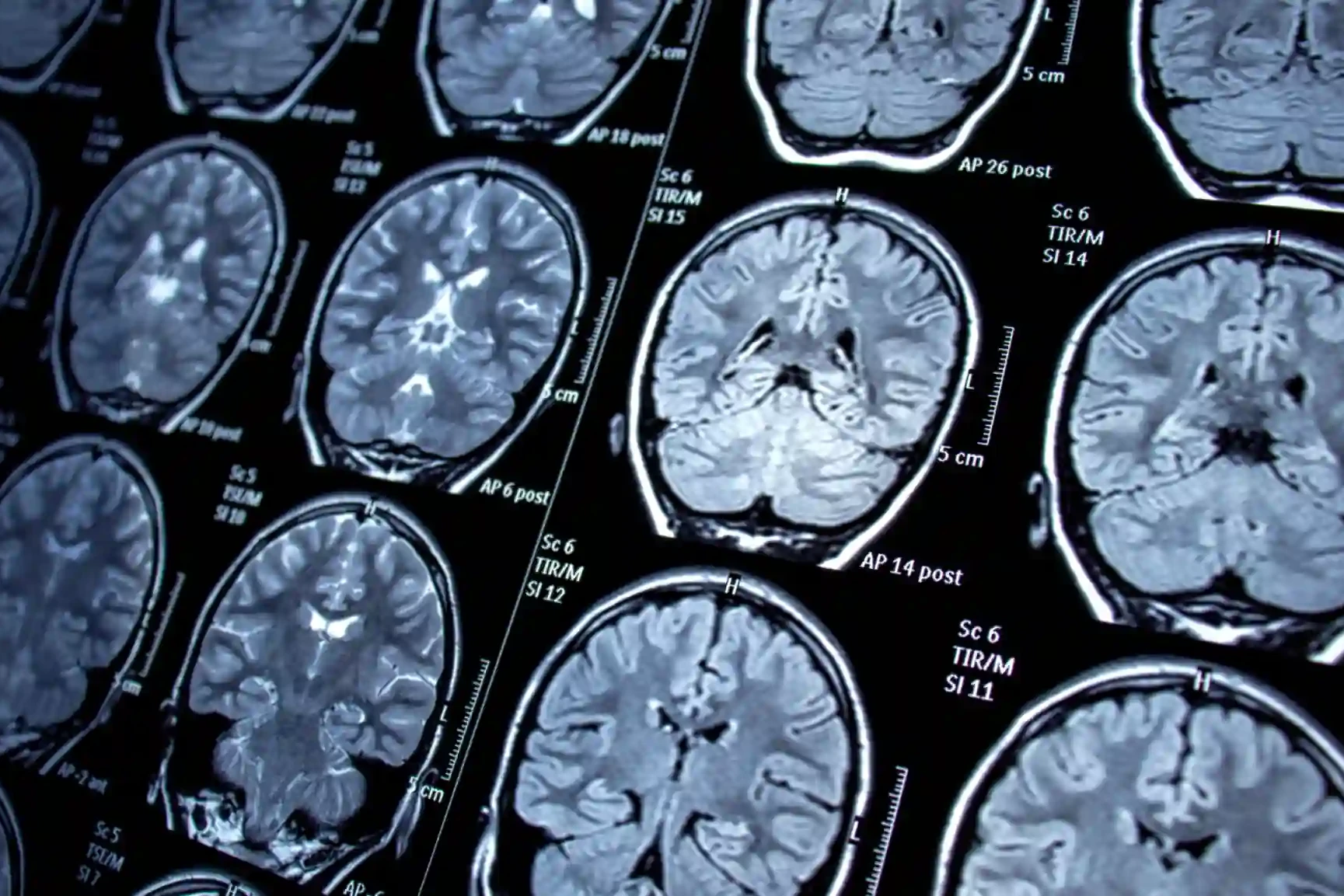
Stroke is one of the top causes of death in the world and in the United States. Global data from the World Stroke Organization and WHO show that stroke ranks among the leading killers, second only to some heart conditions in many reports. In the United States, CDC reports that stroke is a leading cause of death and long-term disability.
At the same time, many people survive. Whether you can die from a stroke or live with recovery depends on stroke type, how fast you reach the hospital, and your overall health. Doctors agree that early treatment gives a much better chance to survive and avoid disability.
Can A Stroke Be Fatal
Stroke happens when blood flow to part of your brain stops, either because a clot blocks a blood vessel or a vessel breaks and bleeds. Without blood, brain cells lose oxygen and start to die within minutes. This is why a stroke can be fatal .
Worldwide data show that stroke is one of the main causes of death and serious disability combined. Cleveland Clinic and CDC both state that strokes are life-threatening events and can be fatal, especially when care is delayed. Stroke carries a high death risk, but that risk is not the same for everyone.
Why Some Strokes Lead To Death And Others Do Not
Not every stroke is huge. Some strokes affect a very small blood vessel, while others cut blood flow to a large part of the brain. When a large area loses blood, the stroke death is higher. Studies that use the NIH Stroke Scale, a score doctors give based on symptoms like weakness and speech loss, show that higher scores link strongly with higher death rates within 30 days.
Death caused by a stroke is less likely, but not impossible. Complications like brain swelling, bleeding into the damaged area, or heart rhythm problems can still turn a serious stroke into a fatal one. That is one reason doctors watch stroke patients very closely in the first days.
Ischemic Vs Hemorrhagic Stroke Fatality Differences
Most strokes are ischemic strokes. That means a clot blocks a brain artery. About 80 to 85% of strokes are this type. The rest are hemorrhagic strokes, where a blood vessel bursts and blood leaks inside the brain.
Both types can cause death from a stroke in different ways. In ischemic stroke, the main danger comes from loss of blood supply and later swelling. In hemorrhagic stroke, death risk rises from both the bleeding and the pressure the pooled blood creates inside the skull.
Large reviews show that early death is often higher with big hemorrhagic strokes compared to many ischemic strokes, because pressure on vital brain areas can build fast. But over time, very large ischemic strokes can carry similar or even higher stroke death risk if brain swelling and complications are not controlled.
High-Risk Patient Groups (Age, Comorbidities, Untreated Hypertension)
Age is a strong factor in deciding if you can die from a stroke . Older adults have stiffer arteries and more long-term damage from high blood pressure, diabetes, and smoking. WHO and CDC data show that most stroke deaths occur in older age groups, although younger adults and even children can still have strokes.
People with untreated high blood pressure have much higher stroke death risk , because high pressure weakens vessel walls and makes both clots and brain bleeds more likely. Diabetes, high cholesterol, atrial fibrillation (irregular heartbeat), heart failure, kidney disease, and smoking all raise the chance that a stroke can be fatal for you personally.
How Stroke Severity And Location Affect Survival
Stroke severity means how strong the symptoms are. A very weak hand and mild speech trouble suggest a smaller stroke. Deep coma, total paralysis, and loss of basic reflexes point to severe damage. Large studies using the NIH Stroke Scale show that scores of 16 or higher predict a much higher chance of death or severe disability.
Location also shapes stroke death risk . A stroke in the outer brain may affect movement or speech but spare vital centers. A stroke in the brain stem, which controls breathing and heart rate, can cause death from a stroke very quickly. Small strokes in the cerebellum (the balance center) can become deadly if swelling compresses the brain stem.
Can A Minor Stroke Kill You
Doctors sometimes use “minor stroke” when symptoms are mild and scores on the stroke scale are low. Yet even a “minor” stroke means some brain cells have died.
The immediate death risk is lower than with a huge stroke. However, medical groups like the American Heart Association warn that any stroke signals serious vessel disease and a much higher chance of another stroke in the future. If that later event is larger, a minor stroke can kill you .
TIA Vs Mild Stroke: Differences In Danger
A TIA (transient ischemic attack) is a short blockage of blood flow to your brain. Symptoms copy a full stroke but clear within minutes or hours and leave no lasting damage on a brain scan. A mild stroke, in contrast, means brain cells actually die, even if symptoms seem small.
Even with that difference, both are serious. Studies show that after a TIA or minor stroke, your risk of a full stroke in the next 90 days can be about 10 to 20 percent, with the highest danger in the first two days.
When A “Minor” Stroke Becomes Life-Threatening
A small clot in a “quiet” brain area might only cause slight weakness or numbness. Yet that same clot tells you that plaque build up, heart rhythm trouble, or blood thickening is already there. Without changes, a larger clot can form next time.
A mild stroke can also harm key skills, like swallowing or balance. This raises your stroke death risk from pneumonia, choking, or serious falls. So even if the scan shows only a small area of damage, a stroke can be fatal later through complications. Yes, especially in older adults or those with weak health.
Silent Strokes And Cumulative Brain Damage
Silent strokes are small brain injuries seen on MRI that caused no clear stroke signs at the time. Studies in older adults show that these “quiet” spots more than double the risk of future stroke and dementia, and speed up thinking decline.
Each silent stroke may seem tiny. Over years, many such injuries can weaken walking, memory, and daily function. This slow drain on brain reserve means that when a new event hits, the risk of dying from a stroke becomes more likely because your brain has less strength left.
Red Flags Even After A Small Stroke
After a TIA or mild stroke, you must treat any new symptom like an emergency. Sudden weakness on one side, new slurred speech, a crooked smile, new vision loss, or a sudden severe headache need urgent care. These may be early fatal stroke symptoms if a larger vessel has now blocked or started to bleed.
If you had a minor stroke , it often does not kill right away, but it sets the scene. The way you act in the next hours and weeks decides whether you can die from a stroke becomes your story.
How Strokes Cause Death
To understand how strokes cause death , it helps to think of your skull as a firm box. The brain, blood, and fluid inside all fight for space. Any stroke that takes extra space, or cuts off blood to a large region, can tip the balance.
Bleeding In The Brain (Hemorrhagic Stroke)
In a hemorrhagic stroke, a brain artery tears and blood spills into the tissue or the space around it. This blood forms a mass that raises pressure. Studies show 30 day death rates near 20 to 36 percent in many bleeding strokes, which is higher than most clot strokes.
As pressure climbs, the brain can shift and squeeze the brain stem. When that happens, fatal stroke symptoms like coma, irregular breathing, and heart rhythm collapse appear. This is one of the clearest ways to see how strokes cause death very fast.
Blocked Arteries Causing Oxygen Loss (Ischemic Stroke)
In an ischemic stroke, a clot blocks blood flow. Cells past the blockage lose oxygen and sugar and begin to die. If doctors open the artery quickly with clot-busting drugs or thrombectomy, some tissue can be saved.
If blood flow stays blocked, a large dead zone forms. Swelling follows. The swollen area then acts like a slow bleed. It raises pressure, pushes on healthy tissue, and again shows how strokes cause death even without fresh bleeding.
Brain Swelling And Increased Intracranial Pressure
Brain swelling (edema) usually peaks in the first two to three days after a big stroke. This is why so much stroke death risk sits in the 48 to 72-hour window. As pressure inside the skull rises, the person can go from awake to drowsy to unresponsive.
Vital centers in the brain stem can fail, and then you can die from a stroke even with machines and medicine.
Complications: Pneumonia, Clot Migration, Cardiac Arrest
Serious stroke often leads to bed rest, weak cough, and poor swallowing. This allows food or saliva to enter the lungs and cause pneumonia. Blood clots can form in the legs and then break off and travel to the lungs. Heart rhythm problems may lead to cardiac arrest.
So how strokes cause death includes both direct brain injury and these follow-up problems. Even if the first scan looks stable, your stroke death risk stays high while these complications lurk.
Stroke Death Risk
Studies from different countries show wide ranges, but many report 30 day death rates between about 7 percent for ischemic stroke and close to 20 percent or more for hemorrhagic stroke.
Early Mortality Risk Within First 48–72 Hours
The first days after stroke are critical. Many studies find that the largest share of deaths happen within the first week, often even in the first three days. This is when swelling rises, bleeding can expand, and infections can start.
Long-Term Death Risk After A Stroke
Even if you survive the first month, your long-term stroke death risk remains higher than someone who never had a stroke. A large study found that among survivors of TIA and stroke, up to about a quarter died over the next 20 years, often from another stroke or heart disease.
Factors That Increase Stroke-Related Mortality
Common factors linked to higher death include older age, severe stroke on arrival, bleeding type, pneumonia in the hospital, and risk factors such as hypertension, diabetes, smoking, and atrial fibrillation. These are the people for whom fatal stroke symptoms are more likely and whose stroke death risk needs aggressive care.
Lifestyle And Medical Influences On Survival Chances
Guidelines from heart and stroke groups stress strict control of blood pressure, blood sugar, and cholesterol after stroke, along with blood thinners when appropriate. They also highlight how quitting smoking cuts the risk of new stroke and death over time.
Fatal Stroke Symptoms
As stroke damage grows or complications pile up, some signs suggest that life may be in danger. These fatal stroke symptoms can appear in both bleeding and clot strokes.
Changes In Breathing Patterns And Loss Of Consciousness
Irregular breathing, with fast and slow waves or long pauses, often points to brain stem trouble. If this pattern appears with deep coma, doctors know death from a stroke very soon is a strong concern.
Severe Confusion, Agitation, Or Unresponsiveness
When someone who was talking yesterday becomes very confused, pulls at tubes, or does not respond at all, it often means swelling, bleeding, or new stroke has hit more brain tissue. In that stage, fatal stroke symptoms reflect broad failure of brain function.
Drop In Urine Output, Dehydration, And Organ Shutdown
Less urine, dry mouth, and low blood pressure show that kidneys and circulation are failing. This can follow infection, heart strain, or low fluid intake. At this point, how strokes cause death involves the whole body, not just the brain.
Skin Color Changes, Cold Extremities, And Vital Sign Decline
Cool arms and legs, blotchy or bluish skin, weak pulse, and very low pressure are late signs that the body is shutting down. When these appear along with coma, death from a stroke becomes not just possible but likely within a short time.
Warning Signs Of Impending Death After Stroke
Some signs appear earlier and may hint that the body is moving toward the end stage after a severe stroke.
Progressive Weakness, Fatigue, And Inability To Eat Or Drink
You may see the person grow weaker each day, lose interest in food, and take only sips of water. This steady decline often shows that recovery has stalled and damage is too great.
Reduced Mobility And Bowel/Bladder Control Loss
When someone moves from walking with help, to bed most of the day, to total dependence, risk of sores, clots, and infection climbs. This pattern can raise stroke death risk over weeks and months.
Withdrawal, Decreased Alertness, And Sleep Cycle Changes
Less talking, long sleep periods, and little reaction to visitors often mean the brain is closing off outside input. In these moments, doctors may prepare them for that outcome.
Palliative Changes: Comfort Care Indicators
When treatment can no longer change how strokes cause death , teams may shift to comfort-focused care. Strong pain relief, breathing comfort, and family support become the main goals, and the focus leaves cure behind.
Emergency Response & Treatment
Even with all these risks, fast action can change the answer to can you die from a stroke in many cases.
Life-Saving Treatments For Ischemic Stroke (tPA, Thrombectomy)
For many ischemic strokes, doctors can give a clot-busting drug within a few hours of symptom start or pull out the clot with a catheter in large artery blockages. These treatments cut disability and can lower death rates when used in time.
Emergency Management For Hemorrhagic Stroke
For bleeding strokes, doctors quickly lower blood pressure, reverse blood thinners, and manage pressure in the skull. Studies show that care in specialized centers can reduce death compared with general hospitals. This approach aims to interrupt how strokes cause death through pressure and ongoing bleeding.
When Stroke Surgery Is Required
In selected cases, surgeons remove part of the skull bone or drain blood to ease pressure. Though risky, this surgery can save life in some large strokes that would otherwise be fatal. Doctors weigh whether surgery can change stroke death risk in a meaningful way for that person.
When To Seek ICU Or Palliative Care
If there is a chance to improve, patients usually go to an intensive care unit, where staff watch for early fatal stroke symptoms and treat problems fast. When tests show massive, irreversible damage, the team may invite the family to consider palliative care.
Improving Survival After Stroke
You cannot remove every risk, but you can do a lot to shift the odds away from death and toward a better life after stroke.
Controlling Blood Pressure, Diabetes, And Cholesterol
Major stroke guidelines say that tight control of blood pressure, healthy cholesterol levels, and good diabetes care are central to secondary prevention. Good control lowers repeat stroke risk, which in turn lowers stroke death risk .
Long-Term Rehabilitation And Secondary Prevention
Rehab helps you regain movement, speech, and daily skills. At the same time, doctors choose medicines to prevent another stroke. When you stick to both plans, dying from a stroke becomes less likely with each month of stable health.
Lifestyle Changes Proven To Reduce Second-Stroke Mortality
Studies and public health groups show that quitting smoking, staying active, eating a heart smart diet, and limiting alcohol can prevent many strokes, maybe up to 90 percent when combined.
When Follow-Up Imaging And Monitoring Are Essential
Repeat brain scans, heart tests, and blood work help doctors track healing and catch new issues. Follow up is especially key after TIA or minor stroke, since a minor stroke can kill you later often depends on whether you find and treat the cause in time.
FAQ
Can You Survive A Major Stroke?
Yes, many people survive large strokes, but they often live with serious disability. Fast treatment, good rehab, and strong risk factor control all lower stroke death risk .
How Long After A Stroke Can It Become Fatal?
Death can occur within minutes in massive bleeds, or within days as swelling rises. It can also occur months later from complications. So death from a stroke can occur both early and late, depending on severity and follow-up care.
Can You Die From A Stroke In Your Sleep?
Yes, you can. Some strokes start at night, others worsen while you sleep. If the brain stem fails, breathing can stop quietly. This is one reason fatal stroke symptoms and loud snoring changes at night deserve urgent medical review.
What Increases The Chance Of Fatal Stroke?
Older age, severe deficits at onset, brain bleeds, untreated high blood pressure, diabetes, smoking, and heart rhythm problems all raise stroke death risk . With many of these together, the risk of dying from a stroke becomes far more likely.
Does A Hemorrhagic Stroke Cause Faster Death?
Bleeding strokes often bring higher early death rates than clot strokes, because blood raises pressure quickly. In many studies, this type shows more fatal stroke symptoms in the first days.
What Are Signs A Stroke Is Getting Worse?
New weakness, new speech trouble, severe headache, vomiting, growing confusion, or reduced alertness suggest worsening damage. These can mark key stages in how strokes cause death , so any change like this needs emergency care, even if you have improved before.
What Is The Survival Rate After The First 30 Days?
About two-thirds or more of patients in many series are alive at 30 days, with higher death rates in hemorrhagic stroke. After this point, stroke death risk falls but stays higher than normal for years.
Can A Minor Stroke Lead To Death Months Later?
Yes. A minor stroke can kill you months later through another, larger stroke, heart attack, infection, or slow decline. It can. That is why doctors treat every TIA and small stroke as a serious warning to change course.
What Should Families Monitor After A Stroke?
Families should watch for new weakness, speech change, chest pain, fever, breathing trouble, falls, mood change, or less eating and drinking. These signs may signal new damage or complications that raise stroke death risk .
About The Author
Medically reviewed by Dr. Chandril Chugh, MD, DM (Neurology)
Dr. Chandril Chugh is a U.S.-trained, board-certified neurologist with expertise in diagnosing and managing neurological disorders, including migraines, epilepsy, Parkinson’s disease, and movement disorders. His clinical focus includes evidence-based neurological care and patient education.
All content is reviewed for medical accuracy and aligned with current neurological guidelines.