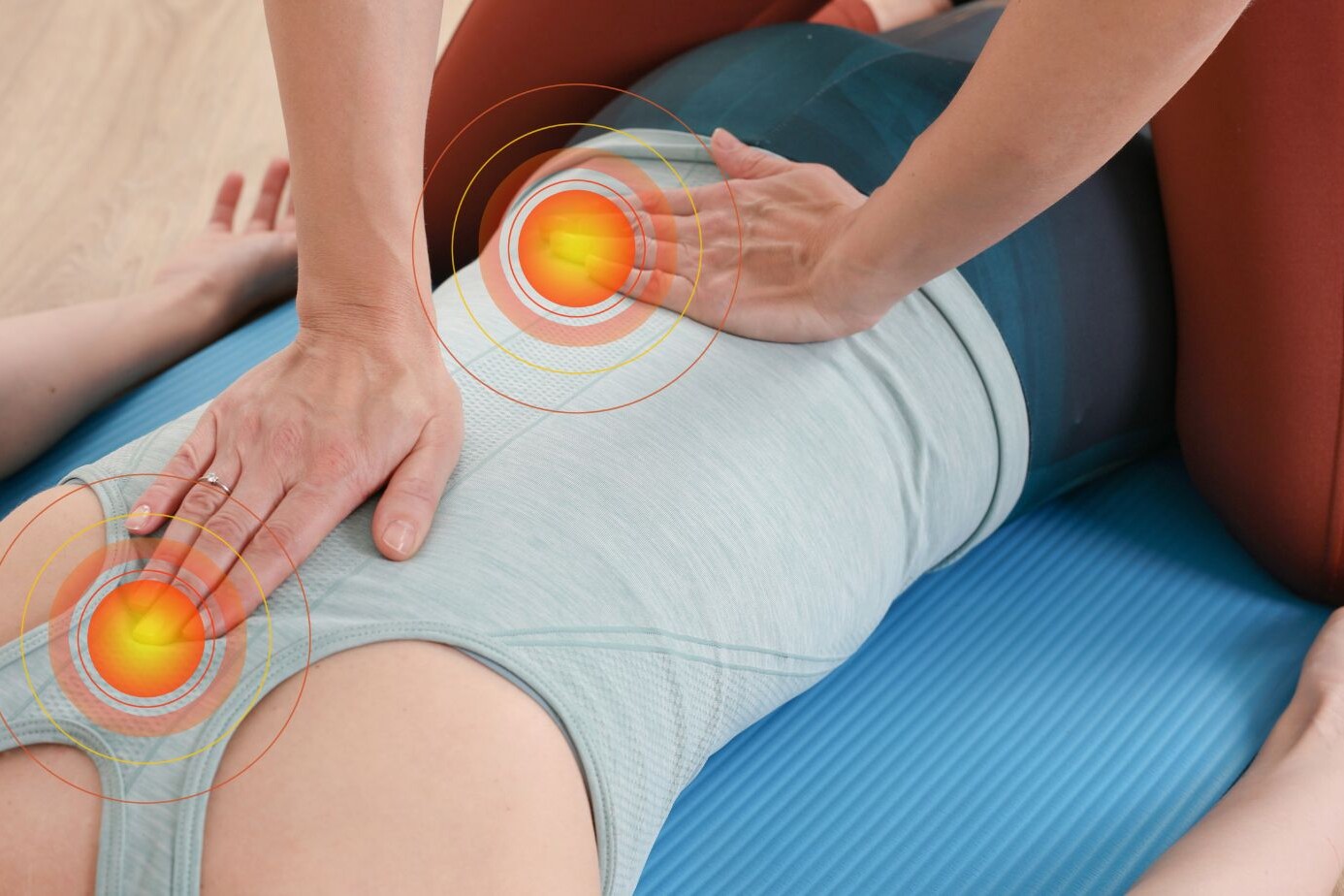
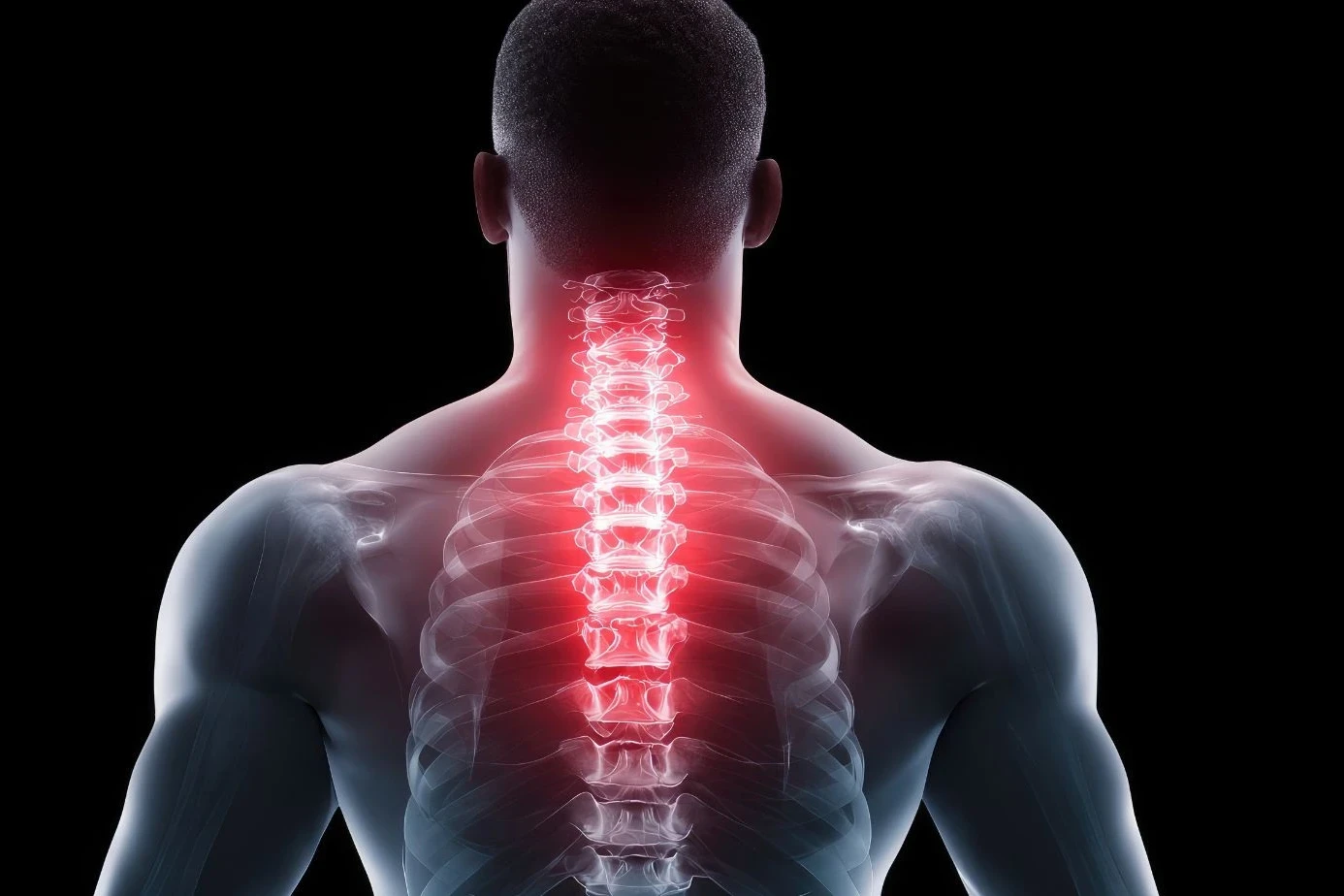
Natural back pain relief does not require pills or clinic visits for most cases. Around 90% of acute back pain, especially pain caused by lifestyle habits, resolves with targeted movement, heat, and small daily fixes.
Causes of Back Pain
Back pain rarely appears from nowhere. It builds quietly through repeated habits and ignored muscle tension. Knowing the exact cause tells you which fix actually works.
Sedentary Lifestyle Causing Back Pain
A sedentary lifestyle is one of the main causes of back pain. Sitting more than 6 hours a day tightens hip flexors, shrinks intervertebral disc height, and weakens the erector spinae muscles. Those muscles hold your spine upright. When they stop working, your lumbar vertebrae take the extra load directly.
Poor Posture and Screen Time
Every inch your head moves forward past your shoulders adds 10 pounds of load to your cervical spine. Over months, that constant strain travels down to the upper and mid-back.
Muscle Imbalance and Weak Core
A weak core forces your back muscles to stabilize the spine around the clock. That constant overuse creates tightness, micro-tears, and eventually spasms.
Stress-Induced Back Pain
Cortisol keeps muscles contracted as a protective stress response. Chronic cortisol elevation creates pain identical to a physical injury, but no MRI will show it.
Overuse or Physical Strain
Repeated improper lifting, even light items like a laptop bag, accumulates micro-damage in spinal ligaments over weeks before pain appears.
Sleep Position and Mattress Issues
Stomach sleeping puts your lumbar spine in hyperextension for 6 to 8 hours straight. A mattress that is too soft lets the spine sag. Both cause progressive disc compression you feel as morning stiffness.
Best Natural Treatments for Back Pain
The best natural treatments for back pain target both muscle tissue and nerve inflammation. Combining two methods consistently beats using one alone.
Heat Therapy and Cold Therapy
Cold packs reduce swelling in the first 48 hours after acute injury. After that window, heat works better. A heating pad at 104°F to 113°F for 15 to 20 minutes, applied 2 to 3 times daily, relaxes tight muscle fibers and increases blood flow to damaged tissue.
Massage Therapy for Muscle Relief
A 2017 study in Pain Medicine found that massage therapy reduced lower back pain by 54% after 10 sessions. Deep tissue massage releases myofascial trigger points that pain pills cannot reach. Self-massage using a tennis ball pressed against a wall targets the same spots.
Herbal and Anti-Inflammatory Remedies
Curcumin in turmeric reduces inflammatory cytokines similarly to ibuprofen. Devil’s claw, a plant from southern Africa, reduced low back pain by 50% over 4 weeks in a clinical trial published in Phytomedicine . Willow bark extract, used for back pain since ancient Egypt, blocks prostaglandin production the same way aspirin does.
Essential Oils and Topical Applications
Peppermint oil contains menthol, which blocks pain signals at the skin surface. Lavender oil reduces muscle tension when diluted in a carrier oil and applied with massage. These are not standalone cures, but they accelerate relief when used correctly.
Acupuncture and Alternative Therapies
The American College of Physicians now recommends acupuncture before medication for chronic low back pain. Acupuncture stimulates endorphin release and reduces spinal inflammation through the autonomic nervous system. Most patients feel improvement after 6 to 8 sessions.
Stretching Exercises for Back Pain
Stretching exercises for back pain correct the pelvic tilt that desk workers develop after months of sitting. These stretches work best when done daily, not just during flare-ups.
Cat-Cow Stretch
On all fours, inhale and drop your belly toward the floor (cow position), then exhale and round your spine upward (cat position). 10 repetitions daily restores lumbar mobility without loading the discs.
Child’s Pose
Sit back on your heels, stretch both arms forward, rest your forehead on the floor. Hold for 30 seconds. This decompresses lumbar vertebrae and gently lengthens the spine.
Knee-to-Chest Stretch
Lie on your back. Pull one knee toward your chest. Hold 20 seconds, switch sides. This directly stretches the piriformis and lower back, two of the most chronically tight areas in people with back pain.
Seated Forward Bend
Sit with legs extended straight. Reach toward your feet. Hold 20 to 30 seconds. Tight hamstrings pull the pelvis backward, which forces the lumbar spine to compensate, causing pain. This stretch breaks that cycle.
Pelvic Tilt Exercise
Lie flat. Flatten your lower back against the floor by engaging your core. Hold 10 seconds. Repeat 15 times. This reactivates dormant deep core muscles without placing any load on the spine.
Yoga for Back Pain Relief
Yoga for back pain relief is now a clinical recommendation. A 2017 trial published in Annals of Internal Medicine found yoga reduced chronic low back pain as effectively as physical therapy over 12 weeks.
Cobra Pose
Lie face down, place hands under your shoulders, and lift your chest off the floor. Hold 20 seconds. This strengthens the erector spinae and counteracts the forward slump from hours of sitting.
Downward Dog
From all fours, push your hips upward to form an inverted V. Hold 30 seconds. This simultaneously decompresses the lumbar spine and stretches the hamstrings and calves, both of which contribute to lower back tension.
Bridge Pose
Lie on your back with feet flat, then lift your hips off the floor. Hold 10 seconds, lower slowly. Bridge pose activates the glutes and hamstrings, taking mechanical load off the lumbar vertebrae.
Supine Twist
Lie on your back and drop both knees to one side. Hold 30 seconds per side. This releases the quadratus lumborum muscle, the single biggest contributor to chronic lower back stiffness.
Sphinx Pose
Lie face down, propped on forearms, for 1 to 2 minutes. Safer than cobra for beginners. Sphinx restores the lumbar curve that prolonged sitting gradually flattens.
Stress-Induced Back Pain Relief
Stress-induced back pain relief starts with the brain. Cortisol keeps muscles in a locked contraction state, producing real physical pain without any structural damage.
How Stress Affects Muscle Tension
Research in Annals of Behavioral Medicine links chronic stress directly to higher reported back pain intensity. The muscle tightness from stress concentrates in the shoulders and lumbar region first.
Breathing Exercises for Pain Relief
Diaphragmatic breathing activates the parasympathetic nervous system and switches off the cortisol response within minutes. Inhale 4 seconds, hold 4, exhale 6. Five minutes before sleep produces measurable muscle relaxation.
Meditation and Relaxation Techniques
Mindfulness-based stress reduction (MBSR), developed at UMass Medical School, reduced chronic back pain by 44% in clinical trials. Ten minutes of daily mindfulness meditation restructures the brain’s pain processing pathways over 8 weeks.
Sleep and Recovery Optimization
Spinal discs rehydrate during sleep. Less than 7 hours of sleep raises next-day muscle pain sensitivity by up to 25%. Poor sleep is the hidden driver behind many cases of recurring back pain.
Lifestyle Changes for Long-Term Relief
Long-term natural back pain relief requires changing the daily habits that created the pain in the first place.
Fixing Sitting Posture
Screen at eye level. Hips slightly higher than knees. Feet flat on the floor. Most desk workers fail all three. Fixing this alone reduces chronic lumbar strain significantly within weeks.
Daily Movement and Activity
Spinal discs have no direct blood supply. They receive nutrients only through movement. Walking 20 minutes daily pumps fluid and oxygen into disc tissue that sitting slowly starves.
Ergonomic Workspace Setup
A lumbar support cushion reduces lower back muscle activity by 35% during seated work. A standing desk used for 2 hours per day cuts back pain incidence by 32%, per research from Texas A&M University.
Weight Management
Each extra pound of body weight adds 4 pounds of compressive force to the lumbar spine. Losing 10 pounds removes 40 pounds of mechanical load from the lower back.
Hydration and Nutrition
Intervertebral discs are 80% water. Chronic dehydration shrinks disc height and reduces shock absorption. Salmon, olive oil, and berries lower the inflammatory markers directly linked to disc and nerve pain.
Home Remedies for Quick Back Pain Relief
Heat Packs and Warm Baths
Epsom salt baths deliver magnesium transdermally, relaxing muscles faster than most topical creams. Two cups of Epsom salt in warm water for 20 minutes works for acute muscle spasms.
Gentle Movement Instead of Bed Rest
Bed rest beyond 2 days worsens back pain. A 1995 study in The New England Journal of Medicine confirmed this definitively. Light walking outperforms rest in every clinical comparison since.
Foam Rolling and Self-Massage
Roll the thoracic (mid-back) region, not the lumbar. Rolling the lower back destabilizes it. Spend 30 seconds on each stiff spot and breathe through the pressure.
Proper Sleep Position
Side sleeping with a pillow between the knees reduces lumbar disc pressure by approximately 30% compared to stomach sleeping. This single change reduces morning stiffness within 2 weeks.
When Natural Remedies Are Not Enough
See a doctor immediately if pain shoots below your knee, if you feel numbness in your groin or inner thigh, or if you lose control of bladder or bowel function. These are signs of cauda equina syndrome, a medical emergency. No stretch or home remedy addresses nerve root compression at that level.
Preventing Back Pain Naturally
Prevention is the strongest form of natural back pain relief. Planks and bridges 3 days a week strengthen the core. Daily hip flexor stretching neutralizes the damage from prolonged sitting.
Standing up every 45 minutes during desk work keeps discs hydrated. Together, these three habits reduce back pain risk by over 60% in office workers, per occupational health research.
Frequently Asked Questions
What is the fastest natural back pain relief method?
Heat therapy is the fastest for muscle-related pain. Apply a heating pad at 104°F to 113°F for 15 to 20 minutes. Most people feel relief within 30 minutes. Cold packs work faster only in the first 48 hours after a sudden injury, not for chronic pain.
Does yoga help with back pain relief?
Yes. Yoga for back pain relief matched physical therapy outcomes in a 2017 Annals of Internal Medicine clinical trial. Bridge pose and downward dog produced the strongest results for lumbar pain specifically.
What are the best stretching exercises for back pain?
The knee-to-chest stretch and pelvic tilt are the most clinically supported. Stretching exercises for back pain that target the piriformis and hamstrings resolve the two most common root causes of lumbar pain in desk workers.
How does a sedentary lifestyle cause back pain?
Sedentary lifestyle causing back pain happens because sitting longer than 6 hours daily shrinks disc height, weakens the erector spinae, and tightens hip flexors. All three shift spinal load onto structures not designed to handle it.
Are natural treatments effective for chronic back pain?
Yes, for 70 to 80% of chronic non-specific back pain cases. The best natural treatments for back pain, including acupuncture, exercise therapy, and anti-inflammatory nutrition, outperform pain medication in 12-month outcome studies.
When should I see a doctor for back pain?
Go immediately if pain shoots past the knee, if you notice numbness in the inner thigh, or if you lose bladder or bowel control. These signal nerve root compression or cauda equina syndrome, which requires emergency intervention.
What sleeping position helps back pain?
Side sleeping with a pillow between your knees. This keeps the lumbar spine in a neutral position and cuts disc pressure by 30% compared to stomach sleeping.
Can posture correction reduce back pain?
Yes, within 4 to 6 weeks of consistent correction. Fixing forward head posture removes up to 30 extra pounds of spinal load. Fixing anterior pelvic tilt directly reduces lumbar compression and the muscle fatigue that follows it.
Are home remedies enough for back pain relief?
For pain under 4 weeks, yes. Natural back pain relief through heat, movement, and targeted stretching resolves 90% of acute cases without medical intervention, based on Global Burden of Disease study data.
About The Author

Medically reviewed by Dr. Chandril Chugh, MD, DM (Neurology)
Dr. Chandril Chugh is a U.S.-trained, board-certified neurologist with expertise in diagnosing and managing neurological disorders, including migraines, epilepsy, Parkinson’s disease, and movement disorders. His clinical focus includes evidence-based neurological care and patient education.
All content is reviewed for medical accuracy and aligned with current neurological guidelines.