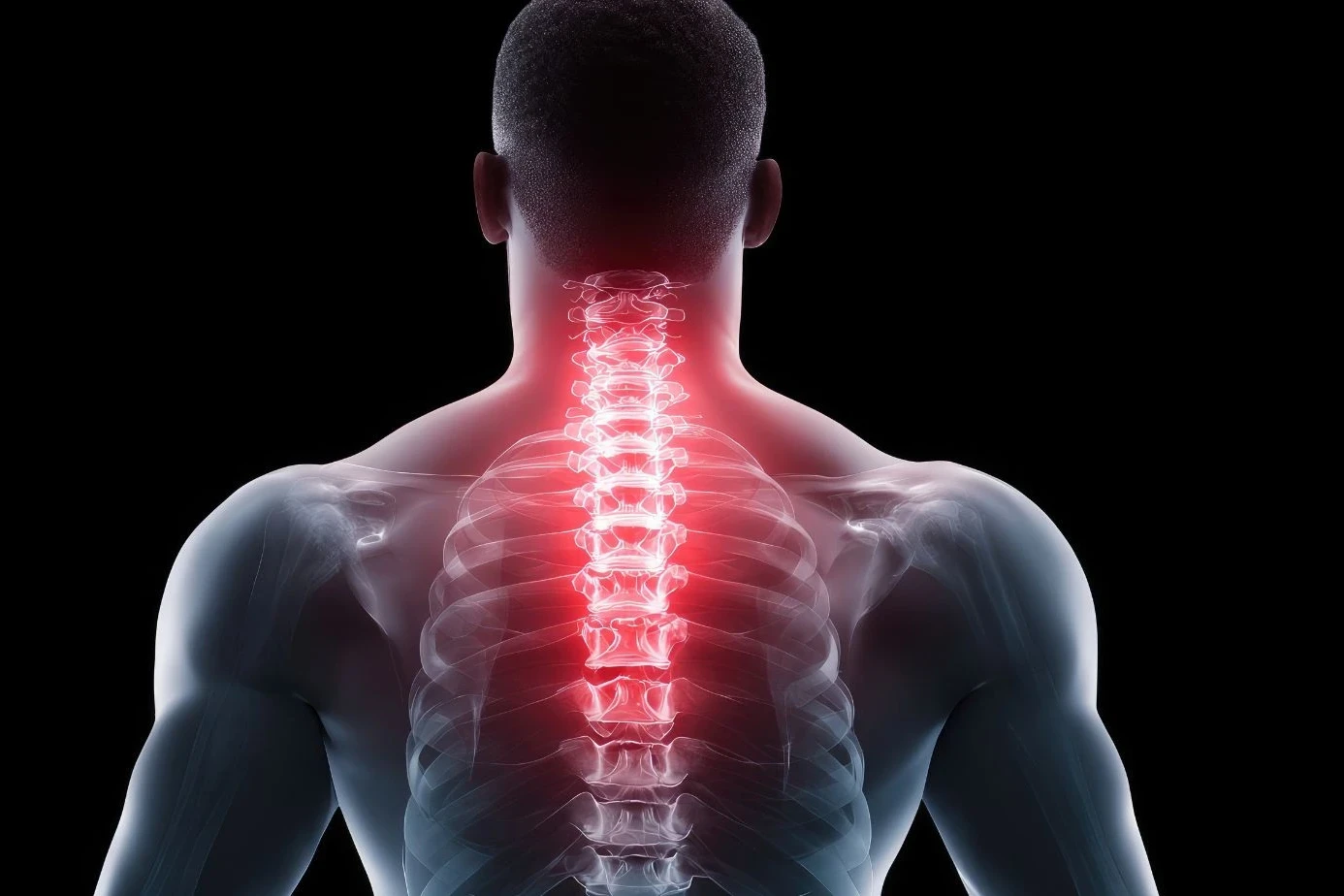
Interventional pain management treats chronic pain through targeted procedures instead of daily pills. It works directly at the pain source, whether that is a compressed nerve, an inflamed joint, or a damaged disc.
Types of Interventional Pain Procedures
The types of interventional pain procedures range from simple injections done in under 20 minutes to implantable devices that rewrite how the brain receives pain signals. Most use imaging guidance, either X-ray or ultrasound, to place medication or energy exactly where it needs to go.
Epidural Steroid Injections
Corticosteroid medication goes directly into the epidural space surrounding the spinal cord. This reduces nerve swelling caused by disc herniation or spinal stenosis. Most patients feel improvement within 3 to 7 days. Relief lasts 3 to 6 months on average, sometimes longer with a series of injections.
Nerve Block for Pain Relief
A nerve block for pain relief stops pain signals before they reach the brain by injecting anesthetic around a specific nerve or nerve cluster. Celiac plexus blocks treat abdominal cancer pain. Stellate ganglion blocks treat PTSD-related chronic pain. The blocking effect lasts days to months depending on the medication used.
Facet Joint Injections
Facet joints connect each vertebra to the one above and below it. Arthritis in these joints causes deep, aching back or neck pain that worsens when you stand too long. A steroid injection directly into the joint reduces inflammation within 48 to 72 hours.
Radiofrequency Ablation (RFA)
RFA uses heat generated by radio waves to burn the nerve sending pain signals from a damaged facet joint. The nerve cannot regrow for 6 to 24 months, which means long-term relief without repeated injections. It is the most durable non-surgical option for facet joint pain.
Spinal Cord Stimulation
A small device implanted near the spine sends mild electrical pulses that interrupt pain signals traveling to the brain. Patients feel a tingling sensation instead of pain. Research from the Journal of Neurosurgery shows 50 to 70% pain reduction in patients with failed back surgery syndrome.
Platelet-Rich Plasma (PRP) Therapy
Blood drawn from the patient goes through a centrifuge to concentrate growth factors. That concentrated plasma injects back into damaged tendons, ligaments, or joints. PRP accelerates tissue repair in areas with poor blood supply, like rotator cuff tears and knee cartilage damage.
Kyphoplasty and Vertebroplasty
Both procedures treat vertebral compression fractures, usually from osteoporosis. Vertebroplasty injects bone cement directly into the collapsed vertebra. Kyphoplasty first inflates a balloon to restore height, then fills it with cement. Kyphoplasty reduces the risk of cement leakage and restores more spinal alignment.
Neck Pain Injection Therapy Options
Neck pain injection therapy options address the specific anatomy of the cervical spine, which has smaller joints, more nerve roots, and higher movement frequency than the lower back. Injections here require fluoroscopic guidance because the margin for error is narrower. Used correctly, they reduce neck pain that has not responded to physical therapy or oral medication.
Cervical Epidural Injection
Steroid medication goes into the cervical epidural space, surrounding irritated nerve roots from a herniated disc or bone spur. This reduces the swelling pressing against the nerve. Most patients need 1 to 3 injections spaced several weeks apart.
Facet Joint Neck Injections
The cervical facet joints are the most common source of chronic neck pain after a whiplash injury. Injecting corticosteroid into these joints reduces the inflammation driving that persistent stiffness and soreness. Relief typically lasts 2 to 4 months.
Medial Branch Blocks
Medial branch nerves carry pain signals from the cervical facet joints. Blocking these nerves with anesthetic confirms whether the facet joint is the pain source. If the block works, RFA becomes the next step for long-term relief.
Trigger Point Injections
Trigger points are tight knots in muscle that refer pain to other areas. In the neck, they frequently cause headaches at the base of the skull. Injecting saline or anesthetic directly into the knot releases it within minutes.
When Neck Injections Are Recommended
Doctors recommend neck pain injection therapy options when pain scores stay above 6 out of 10 for more than 6 weeks despite physical therapy, when MRI shows nerve compression, or when daily function is significantly limited.
Nerve Block for Pain Relief
A nerve block for pain relief works by chemically switching off a specific nerve’s ability to send signals. Unlike systemic pain medications that affect the whole body, a nerve block targets one precise location. This makes it useful for both diagnosis and treatment.
How Nerve Blocks Work
Local anesthetic like lidocaine or bupivacaine binds to sodium channels in the nerve membrane. This stops the electrical signal from traveling. When steroids are added to the mix, they reduce surrounding inflammation, extending the relief well beyond the anesthetic window.
Types of Nerve Blocks
- Sympathetic nerve blocks: treat complex regional pain syndrome (CRPS) and vascular conditions
- Peripheral nerve blocks: treat localized limb pain
- Intercostal nerve blocks: treat rib pain after surgery or shingles
- Occipital nerve blocks: treat chronic migraines and cluster headaches
Conditions Treated with Nerve Blocks
Injury-related chronic pain interventions frequently use nerve blocks for post-surgical pain, cancer pain, diabetic neuropathy, and CRPS. The American Society of Regional Anesthesia recognizes nerve blocks as a first-line intervention for these conditions before opioids.
Duration and Effectiveness
Diagnostic blocks last 4 to 24 hours. Therapeutic blocks with steroid last 3 to 6 months. A 2020 Cochrane review found nerve blocks reduced chronic pain intensity by an average of 40% in controlled trials.
Benefits of Interventional Pain Therapy
The benefits of interventional pain therapy go beyond temporary relief. These procedures change the underlying pain pathway instead of masking symptoms hourly with pills.
Targeted Pain Relief
Medication delivered to the exact pain source works at concentrations that oral drugs never reach systemically without causing dangerous side effects.
Reduced Dependence on Medications
Benefits of interventional pain therapy include cutting opioid use significantly. A 2019 study in Pain Physician found that 68% of patients undergoing spinal cord stimulation reduced opioid doses by more than 50% within 12 months.
Minimally Invasive Approach
Most procedures take 15 to 45 minutes. They use needles or small catheters, not surgical incisions. Patients walk out the same day.
Faster Recovery Time
No surgical recovery means no weeks of immobilization. Most patients resume light activity within 24 to 48 hours after an injection procedure.
Improved Quality of Life
The benefits of interventional pain therapy extend to sleep, mood, and mobility. When pain drops below a 4 out of 10, patients re-engage with physical therapy more effectively, which produces longer-lasting results.
Risks and Side Effects of Interventional Procedures
No procedure is without risk. The complication rates for interventional pain management procedures are low, but patients need to know exactly what they are. Infection rates for spinal injections run below 0.1%. Nerve damage from fluoroscopy-guided procedures occurs in fewer than 1 in 10,000 cases.
Common risks include:
- Temporary soreness at the injection site (24 to 48 hours)
- Mild headache after epidural procedures (resolves within 24 hours)
- Blood sugar spike in diabetic patients after corticosteroid injections
- Bruising or minor bleeding at the needle entry point
- Rare allergic reaction to contrast dye used during imaging guidance
Steroid injections done more than 3 to 4 times per year increase the risk of cartilage weakening and bone thinning in that joint. Your doctor should space them accordingly.
What to Expect During an Interventional Procedure
Pre-Procedure Preparation
Stop blood thinners 5 to 7 days before the procedure, based on your doctor’s instruction. Avoid eating or drinking 4 to 6 hours before if sedation is used. Arrange a driver because sedation affects reaction time for several hours.
Procedure Process
You lie on a procedure table. The doctor cleans and numbs the skin. Using live X-ray imaging, the needle goes to the exact target. Contrast dye confirms correct placement. Medication injects, and the needle comes out. The entire process takes 15 to 30 minutes for most injections.
Recovery and Aftercare
Rest for 24 hours after the procedure. Ice the area if it feels sore. Avoid heavy lifting for 48 hours. Track your pain score daily for 2 weeks. This helps your doctor determine whether the procedure worked and what to do next.
When to Consider Interventional Pain Management
Interventional pain management becomes the right option when other approaches have failed. Most physicians recommend it when pain has lasted more than 3 months despite medication and physical therapy.
Consider it if you experience:
- Radiating leg or arm pain that does not improve with 6 weeks of conservative care
- Chronic neck or back pain scoring above 5 out of 10 consistently
- Nerve pain from diabetes, shingles, or cancer that oral drugs do not control
- Injury-related chronic pain interventions become necessary after accident injuries that cause persistent nerve or joint damage
Preventing Chronic Pain Progression
Interventional pain management works best when combined with active prevention. Procedures reduce pain enough for patients to exercise and engage in physical therapy, which then addresses the muscle and structural issues driving the pain.
Key prevention steps:
- Maintain a healthy body weight to reduce spinal load
- Strengthen core and hip muscles to protect lumbar discs
- Address posture and ergonomics at your workstation
- Treat injury-related chronic pain interventions early before nerve sensitization becomes permanent
- Schedule regular follow-up with your pain specialist; chronic pain changes over time and treatment must adapt
Frequently Asked Questions
What is interventional pain management?
Interventional pain management uses targeted procedures, including injections, nerve blocks, and implanted devices, to treat pain at its source. It is prescribed when 3 or more months of medication and physical therapy produce insufficient relief, and the goal is reduced pain and reduced drug dependence.
What are the most common interventional pain procedures?
Epidural steroid injections are the most frequently performed. After that, facet joint injections, radiofrequency ablation, and nerve block for pain relief procedures account for the majority of cases treated globally each year.
Are nerve blocks safe for pain relief?
Yes. Nerve block for pain relief has a serious complication rate below 0.1% when performed under imaging guidance. Temporary soreness at the injection site is the most common side effect and resolves within 48 hours.
How long does pain relief from injections last?
Epidural steroid injections last 3 to 6 months. Radiofrequency ablation lasts 6 to 24 months. Nerve block for pain relief lasts 4 hours for diagnostic blocks and up to 6 months for therapeutic blocks with steroid added.
What are neck pain injection therapy options?
Neck pain injection therapy options include cervical epidural injections, facet joint injections, medial branch blocks, and trigger point injections. Which one your doctor recommends depends on the specific structure causing pain, confirmed by MRI and physical examination.
Is interventional pain management better than surgery?
For most chronic pain conditions, yes. Interventional pain management produces comparable outcomes to spine surgery for conditions like disc herniation and facet joint arthritis, with a fraction of the recovery time and complication risk.
What conditions can be treated with interventional pain therapy?
The types of interventional pain procedures treat herniated discs, spinal stenosis, CRPS, cancer pain, diabetic neuropathy, arthritis, post-surgical pain, and injury-related chronic pain interventions from accidents or sports injuries.
When should I consider interventional pain management?
Consider interventional pain management after 3 months of failed conservative treatment, when imaging confirms a structural source for your pain, or when opioid doses are escalating without adequate relief.
Do these treatments cure pain permanently?
No, most do not cure pain permanently. Radiofrequency ablation delivers the longest relief at 6 to 24 months. Spinal cord stimulation is the most durable option and provides ongoing relief as long as the device stays in place. Interventional pain management manages pain effectively, but chronic pain requires ongoing care.
About The Author

Medically reviewed by Dr. Chandril Chugh, MD, DM (Neurology)
Dr. Chandril Chugh is a U.S.-trained, board-certified neurologist with expertise in diagnosing and managing neurological disorders, including migraines, epilepsy, Parkinson’s disease, and movement disorders. His clinical focus includes evidence-based neurological care and patient education.
All content is reviewed for medical accuracy and aligned with current neurological guidelines.