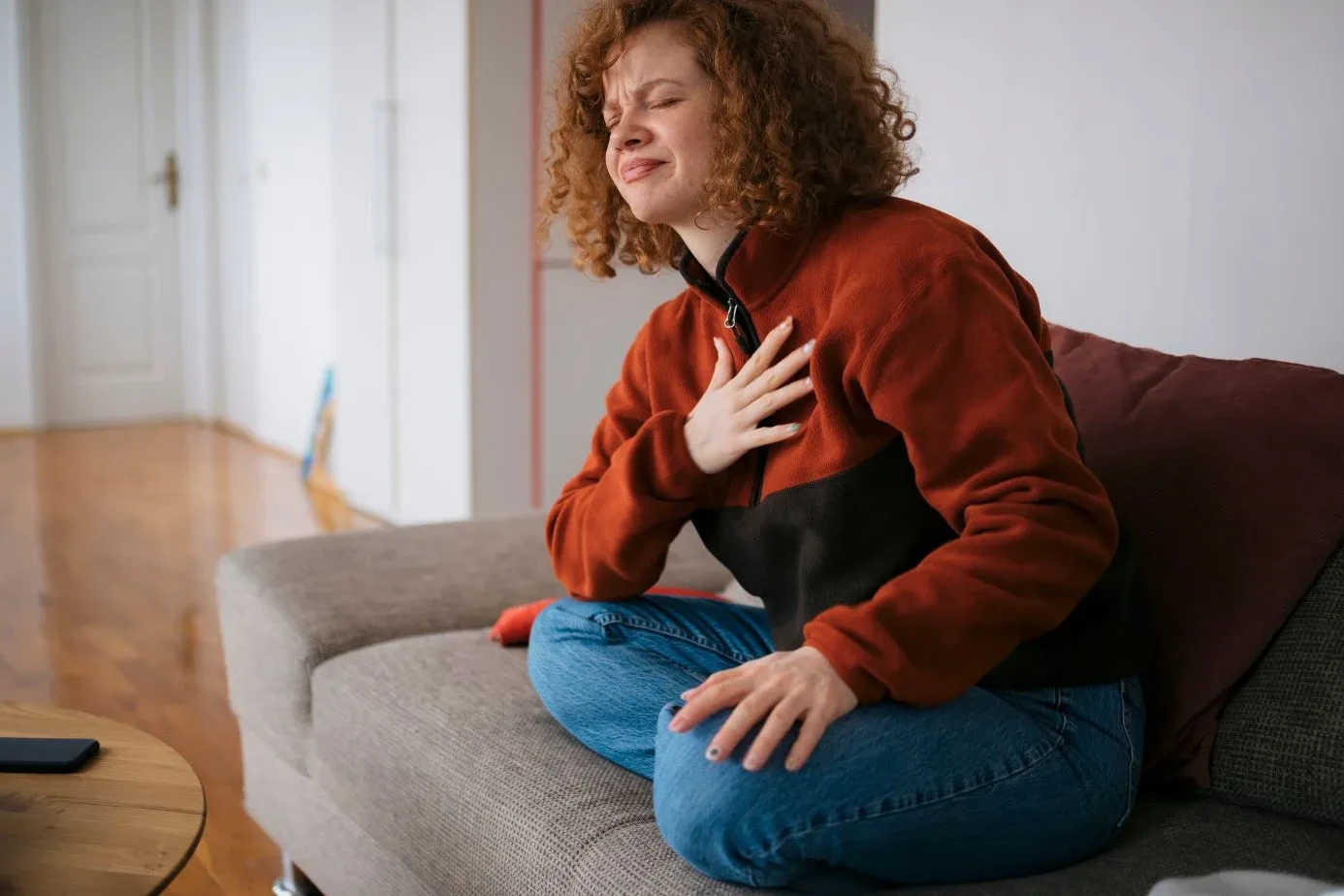
Stress and anxiety are not the same thing. Stress has a trigger. Anxiety doesn’t need one. That single difference changes everything about how you treat them. Millions of people spend years managing the wrong problem because they never knew which one they actually had.
If anxiety is disrupting sleep, relationships, or work, behavioral treatment produces better long-term outcomes than medication alone. CBT with a licensed therapist is where the evidence consistently points. The 11-year delay most people accept before getting help is not something the nervous system recovers from easily.
Do I Have Anxiety or Just Stress?
Stress disappears when the problem goes away. Anxiety stays even when nothing is wrong. If your worry feels attached to something real, like a work deadline or a fight, that’s stress. If the dread lingers after the situation ends, or shows up with no reason at all, that’s anxiety.
What Does Anxiety Feel Like in Your Head?
Anxiety feels like your brain is stuck on a threat that isn’t there. Racing thoughts, worst-case spirals, a constant low hum of dread. Some people describe it as mental static. Others call it a feeling that something bad is about to happen, even on a perfectly ordinary day, often accompanied by feeling jittery or physically on edge without a clear cause.
What Is the #1 Worst Habit for Anxiety?
Avoidance. When you avoid what scares you, your brain records that the threat was real and dangerous. Each avoided situation makes anxiety worse long-term. Research in behavior therapy consistently shows that avoidance feeds anxiety faster than almost any other pattern.
What Are the Physical Symptoms of Anxiety?
- Tight chest or pressure
- Rapid heartbeat without physical exertion
- Shortness of breath
- Muscle tension, especially in the jaw, neck, and shoulders
- Stomach cramps or nausea
- Sweating with no physical cause
- Tingling in the hands or feet
These physical symptoms often appear before the person even recognizes the emotional component. In some cases, people misinterpret these sensations and start asking questions like “Can stress cause vertigo?” or “Can stress cause nosebleeds?, especially when symptoms feel sudden or unexplained.
What Not to Say to Someone With Anxiety?
Avoid “just calm down,” “you’re overreacting,” and “there’s nothing to worry about.” These shut down the conversation and increase shame. Anxiety is not a thinking error someone can fix by being told to relax. Phrases like these make it harder for people to seek help.
What Is the 3-3-3 Rule for Anxiety?
Name 3 things you see. Name 3 sounds you hear. Move 3 parts of your body. This grounds you in the present moment and interrupts the anxiety response at a sensory level. It works fastest when done standing up and speaking out loud instead of silently.
How to Calm Anxiety Quickly?
Slow your exhale. Breathe in for 4 counts, breathe out for 8. A longer exhale activates the vagus nerve and triggers the parasympathetic nervous system, which is your body’s off-switch for the stress response. This technique works within 60 to 90 seconds for most people.
How to Stop Overthinking Anxiety?
Set a 10-minute “worry window” each day. Write every anxious thought during that window. Outside of it, redirect. Studies from Penn State showed that scheduled worry time reduced intrusive thoughts significantly within two weeks. It trains the brain to contain anxiety rather than letting it run all day.
How to Heal Your Nervous System From Anxiety?
Your nervous system responds to consistent low-stimulation signals. Cold water on the face activates the diving reflex and slows the heart immediately. Regular aerobic exercise at 30 minutes, three to four times weekly, reduces baseline cortisol over time. Sleeping less than seven hours makes nervous system recovery impossible.
What Is the Best Therapy for Anxiety?
Cognitive Behavioral Therapy, or CBT, has the most evidence behind it. The American Psychological Association lists it as a first-line treatment for generalized anxiety disorder. Exposure Response Prevention works best for OCD-related anxiety. For trauma-based anxiety, EMDR outperforms CBT in most head-to-head trials.
What Is the Strongest Anxiety Relief?
Benzodiazepines like lorazepam work fastest but carry dependency risk within weeks. SSRIs like sertraline take 4 to 6 weeks but produce lasting results without addiction. For natural options, ashwagandha at 300 mg daily reduced anxiety scores by 41% in a 2019 randomized controlled trial published in Medicine.
Which Vitamin Deficiency Causes Anxiety?
Magnesium deficiency is the most direct link. Low magnesium raises glutamate activity in the brain, which increases neurological excitability. Vitamin D deficiency is strongly associated with anxiety disorders in multiple large-scale studies. B6 deficiency reduces GABA production, which removes the brain’s main calming signal.
What Is a Natural Remedy for Anxiety?
Ashwagandha is the most clinically tested. L-theanine at 200 mg reduces mental tension without sedation. Magnesium glycinate works overnight. Passionflower outperformed a low-dose benzodiazepine in a 2001 Iranian clinical trial for generalized anxiety. These are not placebo effects. Each has at least one randomized controlled trial behind them.
What Is the Highest Form of Anxiety?
Panic disorder sits at the severe end. It produces sudden, overwhelming terror with no identifiable trigger, and physical symptoms so intense that most people believe they are having a heart attack during their first episode. Agoraphobia, fear of situations where escape seems difficult, often develops from untreated panic disorder.
Who Suffers the Most From Anxiety?
Women are diagnosed at twice the rate of men. But research from Cambridge University suggests men underreport significantly. People aged 18 to 34 show the highest prevalence globally. Those with chronic physical illness, especially autoimmune conditions and cardiovascular disease, have anxiety rates three to four times higher than the general population.
What Is the Last Stage of Anxiety?
Chronic anxiety without treatment leads to what clinicians call anxiety-related exhaustion. The body stays in fight-or-flight for so long that adrenal fatigue, immune suppression, and cognitive decline follow. At this point, the person often feels emotionally numb rather than acutely anxious, which is frequently misread as improvement.
How Long Can Anxiety Last?
A single anxiety episode lasts minutes to hours. Untreated anxiety disorder lasts years. The Anxiety and Depression Association of America notes that the average person waits 11 years after symptoms begin before seeking treatment. Without intervention, generalized anxiety disorder rarely resolves on its own.
Is Anxiety a Critical Illness?
In terms of disability, yes. The World Health Organization ranks anxiety disorders among the leading causes of disability worldwide. Severe anxiety impairs memory, decision-making, immune function, and cardiovascular health. Long-term untreated anxiety increases the risk of heart disease to a degree comparable to smoking.
How Do I Know If My Anxiety Is Severe?
Severity markers include anxiety that prevents daily tasks, physical symptoms lasting hours, panic attacks, avoidance of multiple situations, sleep disruption more than three nights weekly, and inability to stop worrying even when actively trying. The GAD-7, a 7-question clinical tool, scores anxiety severity and is freely available online.
About The Author

Medically reviewed by Dr. Chandril Chugh, MD, DM (Neurology)
Dr. Chandril Chugh is a U.S.-trained, board-certified neurologist with expertise in diagnosing and managing neurological disorders, including migraines, epilepsy, Parkinson’s disease, and movement disorders. His clinical focus includes evidence-based neurological care and patient education.
All content is reviewed for medical accuracy and aligned with current neurological guidelines.