Depression often involves disrupted sleep, chronic stress, inflammation, and altered brain signaling, not just low mood. Alternative therapies for depression aim to correct these underlying issues through lifestyle changes, mind-body practices, nutrition, therapy-based methods, and selected natural options.
These therapies can reduce symptom intensity, especially in mild to moderate depression, when used consistently and appropriately. They are not quick fixes and do not work the same for everyone. Their value lies in long-term support, relapse prevention, and improved daily functioning.
When chosen carefully and guided by professionals, alternative therapies can strengthen recovery and complement conventional mental health care without replacing it.
Natural Treatments For Depression
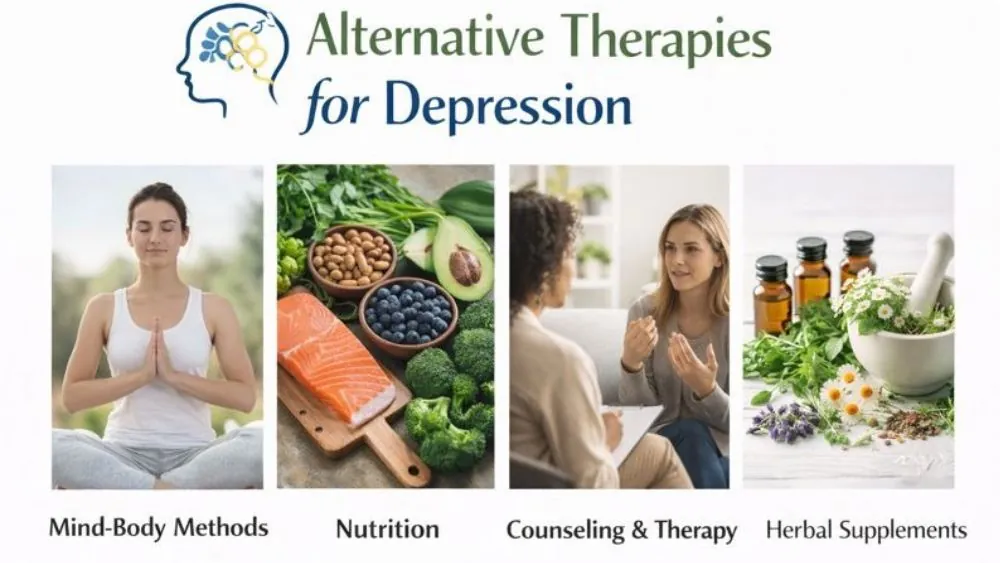
Natural treatments for depression focus on daily behaviors that influence brain chemicals like serotonin and dopamine. These treatments aim to reduce stress load, improve sleep cycles, and support nerve function. They are often used as first steps when symptoms are mild.
Lifestyle-Based Natural Treatments For Depression
Sleep is one of the strongest mood regulators. When you sleep poorly, emotional control drops, and disrupted sleep increases depressive symptoms even in healthy adults. Keeping a fixed sleep and wake time helps your brain stabilize mood signals.
Physical movement also matters. Exercise increases brain-derived neurotrophic factor, which supports nerve growth and mood regulation. You do not need intense workouts. Brisk walking for twenty minutes shows benefit when done most days.
Sunlight exposure supports the circadian rhythm, which controls sleep hormones and energy. Morning light exposure helps your brain release cortisol at the right time and melatonin at night.
Social contact protects mental health. Isolation raises stress hormones. Even short daily conversations reduce emotional strain.
These habits form the foundation of natural treatments for depression and appear repeatedly in clinical mental health guidelines.
Evidence Behind Natural Treatments For Depression
Research evidence supports lifestyle-based care for mild depression. Large population studies show regular exercise lowers depression risk. Sleep studies confirm mood improves when sleep timing becomes consistent.
However, evidence quality varies. Lifestyle research often relies on observational studies rather than controlled trials. This means results show association, not cure.
Medical sources agree that these approaches reduce symptom intensity rather than eliminate depression. That distinction matters when choosing alternative therapies for depression .
Limitations Of Natural Treatments Alone
Natural care alone has limits. Moderate to severe depression involves deeper brain chemistry disruption. Lifestyle changes may help but often fail to restore function fully.
Delaying medical care increases the risk of worsening symptoms. If you experience persistent hopelessness, loss of daily function, or thoughts of self-harm, natural care alone is not appropriate.
Holistic Treatment For Depression
Holistic treatment for depression looks at mental health as a whole-body condition. It considers stress load, trauma history, sleep, diet, physical tension, and emotional habits together.
Mind Body Connection In Holistic Treatment For Depression
Your nervous system connects thoughts, muscles, breathing, and hormones. Chronic stress keeps the nervous system in threat mode. This raises cortisol and reduces serotonin activity.
Slow breathing lowers heart rate and signals safety to the brain. Muscle relaxation reduces nerve overstimulation. These responses explain why mind-body practices support holistic treatment for depression .
Integrative Medicine Approaches
Integrative medicine combines standard mental health care with supportive therapies. This may include counseling, nutrition support, stress regulation training, and movement practices. Using integrative psychiatry, monitor safety and adjust care based on response. This approach reduces the risk of untreated symptoms.
Combining Holistic Treatment With Conventional Care
Medication treats a neurochemical imbalance. Therapy changes thought patterns. Holistic care supports daily function and stress control.
Together, they improve outcomes. Combined care reduces relapse risk compared to medication alone. This makes holistic treatment for depression a support layer rather than a replacement.
Herbal Remedies For Depression
Herbal remedies for depression affect neurotransmitters and stress hormones. They require caution because natural does not mean risk-free.
St. John’s Wort, Saffron, Ashwagandha
- St. John’s Wort has evidence for mild depression. It increases serotonin availability. Clinical trials show symptom reduction similar to low-dose antidepressants in mild cases.
- Saffron has shown mood improvement in small controlled studies. Researchers believe it affects serotonin pathways.
- Ashwagandha reduces cortisol levels. This may help stress-related depressive symptoms rather than major depression.
These herbal remedies for depression show potential, but evidence remains limited and inconsistent.
Safety Concerns And Drug Interactions
St. John’s Wort interacts with antidepressants, birth control pills, blood thinners, and heart drugs. These interactions can be dangerous.
Herbal supplements lack strict regulation. Strength and purity vary between brands. Doctors warn against combining herbs with psychiatric medication without supervision.
When Herbal Remedies Should Be Avoided
You should avoid herbs if you have severe depression, bipolar disorder, or suicidal thoughts. Pregnant people should avoid most herbal mood products. Herbal remedies for depression are not safe substitutes for professional care.
Yoga And Meditation For Depression
Mind-body practices help regulate stress response. Yoga for depression and meditation for depression influence the nervous system balance.
How Yoga Helps Regulate Mood And Stress Hormones
Yoga combines movement, breathing, and body awareness. This lowers cortisol and improves parasympathetic nervous system activity, which controls rest and recovery.
Gentle forms show better results than intense styles. Consistency matters more than duration. Regular yoga for depression practice supports emotional regulation but does not replace therapy in severe cases.
Meditation Techniques Used In Depression Care
Mindfulness meditation trains attention control. It reduces rumination, which is repetitive negative thinking linked to depression.
Breathing-focused meditation slows heart rate and reduces nervous system overload. Meditation for depression works gradually. Benefits appear after weeks of practice.
Scientific Evidence For Yoga And Meditation For Depression
Brain imaging studies show changes in emotional regulation areas with regular practice. Clinical trials show symptom reduction in mild to moderate depression. Evidence remains supportive but not definitive. These methods are best used as part of alternative therapies for depression , not as standalone care for severe illness.
Non-Drug Treatments For Depression
Non-drug treatments for depression focus on structured therapies and physical interventions that do not involve medication. These options are often used when you cannot tolerate antidepressants or want additional support.
Psychotherapy-Based Non-Drug Treatments
Talk therapy changes how you respond to stress, thoughts, and emotions. Cognitive behavioral therapy helps you notice harmful thinking patterns and replace them with realistic ones. Interpersonal therapy focuses on relationship stress that feeds depression. Therapy reduces relapse risk when skills are practiced consistently. Therapy does not work overnight. It requires effort and time.
Light Therapy And Circadian Rhythm Regulation
Light therapy is mainly used for seasonal depression. Bright light exposure in the morning helps reset your body clock. This improves sleep timing and daytime energy. Light therapy can trigger agitation or sleep problems if misused. Professional guidance reduces risk.
Exercise As A Non-Drug Treatment For Depression
Exercise affects multiple brain systems. It increases serotonin, dopamine, and endorphins. It also lowers inflammation linked to depression. Moderate activity done most days shows benefit. Overtraining can worsen symptoms. Balance matters when using non-drug treatments for depression .
Dietary And Nutritional Approaches For Depression
Brain cells rely on nutrients to send signals correctly. Inflammation, vitamin deficiencies, and gut imbalance can worsen depressive symptoms. Nutrition focused care supports brain function but works best as a supportive measure rather than a standalone solution.
Role Of Omega-3 Fatty Acids
Omega-3 fatty acids support brain cell membranes. Low levels are linked to higher depression risk. Fatty fish intake is associated with better mood outcomes. Supplement benefits vary. Doctors usually recommend dietary sources first.
Vitamin Deficiencies Linked To Depression
Low vitamin D is linked to low mood in many populations. Vitamin B12 and folate affect nerve signaling and energy. Testing is important. Supplement needs vary by age and health.
Anti-Inflammatory Diets And Gut-Brain Axis
Chronic inflammation worsens depression symptoms. Diets rich in fiber support healthy gut bacteria. Gut bacteria produce chemicals that affect mood. Reducing ultra-processed foods may lower inflammatory stress. Nutrition supports alternative therapies for depression but does not replace care.
Complementary Therapies For Emotional Well-Being
Complementary therapies reduce physical stress load and improve emotional expression. While they do not correct core neurochemical imbalances, they can improve comfort, sleep quality, and engagement with primary treatments.
Acupuncture And Depression Relief
Acupuncture may influence nerve pathways involved in mood regulation. Some clinical trials show symptom improvement. Results vary widely. Evidence remains mixed, and may help when combined with standard care.
Massage Therapy And Nervous System Regulation
Massage lowers muscle tension and stress hormones. It increases parasympathetic activity, which supports calm states. Massage improves sleep quality in some people with depression.
Music And Art Therapy For Mood Disorders
Music therapies help express emotions when words feel limited. They support emotional processing and reduce isolation. They work best as supportive tools, not primary treatment.
Are Alternative Therapies for Depression Effective?
Effectiveness depends on depression severity, adherence, and correct pairing with professional care. Symptoms reduce in selected cases, but results vary widely based on biological and psychological factors.
What Research Says About Effectiveness
Research supports the benefit for mild to moderate depression. Evidence quality varies by therapy. Lifestyle- and therapy-based options show stronger results than supplements.
Conditions Where Alternatives Work Best
Stress-related depression responds better. Seasonal patterns respond well to light therapy. Early symptoms respond more easily.
Realistic Expectations From Alternative Therapies
You should expect symptom reduction, not instant relief. Progress often appears after weeks. Maintenance matters.
Risks And Safety Considerations
Using alternative approaches without medical guidance can delay effective treatment or cause harmful interactions. Risk increases with severe symptoms, multiple supplements, or existing medical conditions that affect brain chemistry.
When Alternative Therapies May Delay Proper Care
Relying only on alternatives during severe depression can delay effective treatment. This increases the risk of worsening symptoms.
Red Flags That Require Medical Evaluation
Persistent hopelessness, inability to function, or thoughts of self-harm require immediate medical care.
Importance Of Professional Guidance
Professional guidance ensures safety, proper timing, and integration with medical treatment.
Choosing The Right Alternative Therapy For Depression
The best option depends on symptom pattern, health history, time availability, and support systems. Matching the therapy to the root drivers of your depression improves outcomes and reduces frustration from trial and error.
Factors To Consider Before Choosing A Therapy
Severity, medical history, time commitment, and cost all matter.
Personalization Based On Depression Severity
Mild symptoms may respond to lifestyle changes. Moderate symptoms often need therapy. Severe symptoms need medical treatment first.
Working With Mental Health Professionals
Collaboration improves results and reduces risks when using alternative therapies for depression .
When To Combine Alternative And Conventional Treatments?
Combined care addresses both brain chemistry and daily functioning. Integrative approaches give better symptom control, improved adherence, and lower relapse rates than single-method treatment plans.
Mild Vs Moderate Vs Severe Depression
Mild cases may start with alternatives. Moderate cases need therapy support. Severe cases need medication with supportive care.
Benefits Of Integrative Treatment Models
Integrative care improves adherence, reduces relapse risk, and supports long-term stability.
Monitoring Progress And Adjusting Care
Regular review helps catch setbacks early and adjust treatment.
FAQs
Are Alternative Therapies Safe For Depression?
Some options are safe when guided properly. Others carry risks, especially supplements. Safety depends on severity, medical history, and professional supervision.
Can Depression Be Treated Without Medication?
Mild depression may improve without medication. Moderate and severe depression usually require medical treatment to restore brain chemistry and prevent relapse.
How Long Do Alternative Therapies Take To Work?
Most options take several weeks of consistent use. Benefits build gradually and require ongoing practice for lasting results.
Which Alternative Therapy Works Best For Depression?
No single option works for everyone. Effectiveness depends on symptom type, severity, and how well the therapy matches your needs.
Can Herbal Remedies Replace Antidepressants?
Herbal remedies should not replace antidepressants in moderate or severe depression due to safety risks and limited evidence.
Is Yoga Alone Enough to Treat Depression?
Yoga helps stress regulation but rarely treats depression alone, especially when symptoms affect daily functioning.
Are Non-Drug Treatments Effective for Major Depression?
They support recovery but usually cannot replace medication and therapy in major depression.
Can Alternative Therapies Worsen Depression?
Yes. Delayed medical care or unsafe supplement use can worsen symptoms.
Should I Tell My Doctor About Alternative Therapies?
Yes. This helps avoid drug interactions and ensures safe integrated care.
Who Should Avoid Alternative Therapies For Depression?
People with severe symptoms, suicidal thoughts, or bipolar disorder should not self-treat and need medical care first.
About The Author

Medically reviewed by Dr. Chandril Chugh, MD, DM (Neurology)
Dr. Chandril Chugh is a U.S.-trained, board-certified neurologist with expertise in diagnosing and managing neurological disorders, including migraines, epilepsy, Parkinson’s disease, and movement disorders. His clinical focus includes evidence-based neurological care and patient education.
All content is reviewed for medical accuracy and aligned with current neurological guidelines.