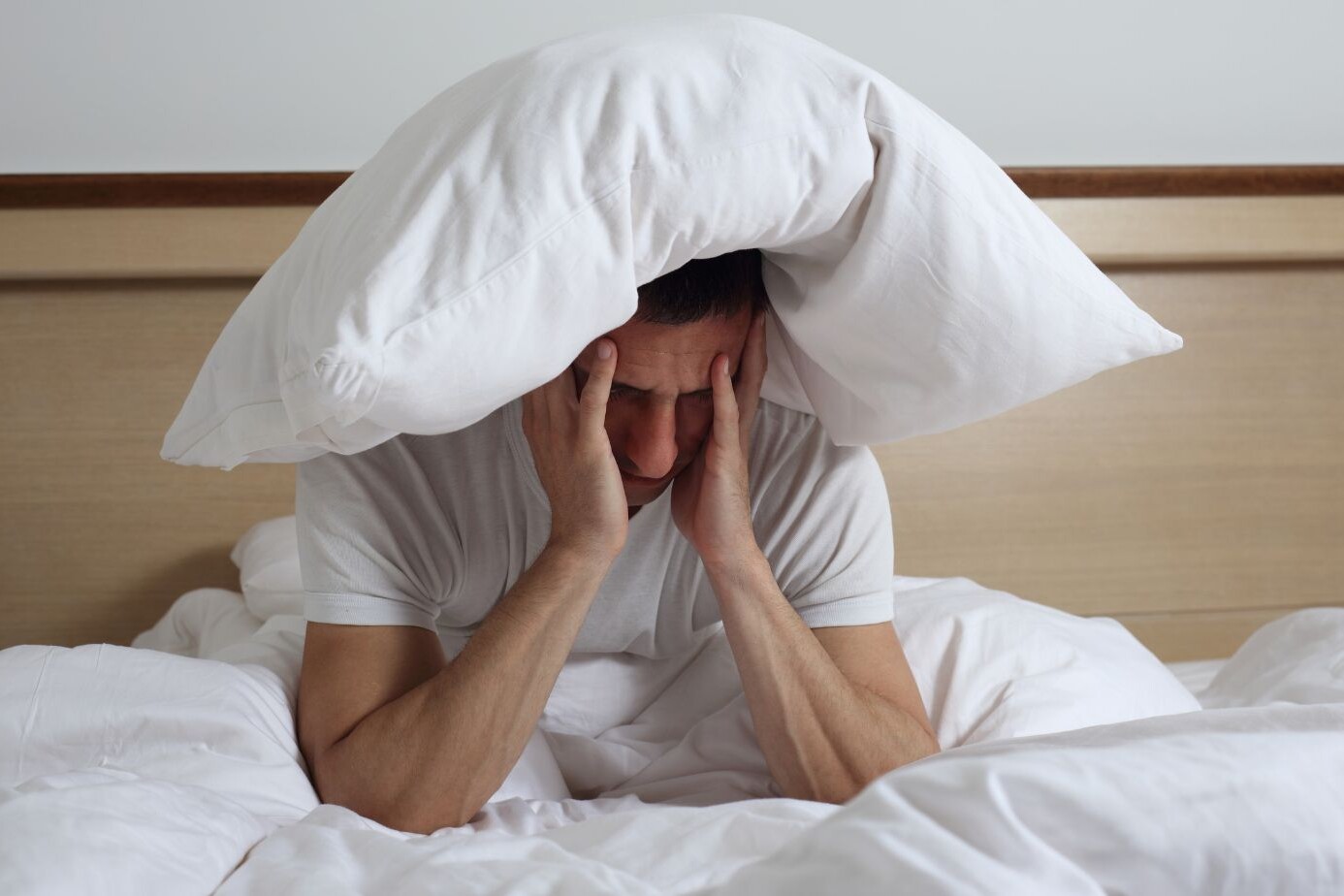
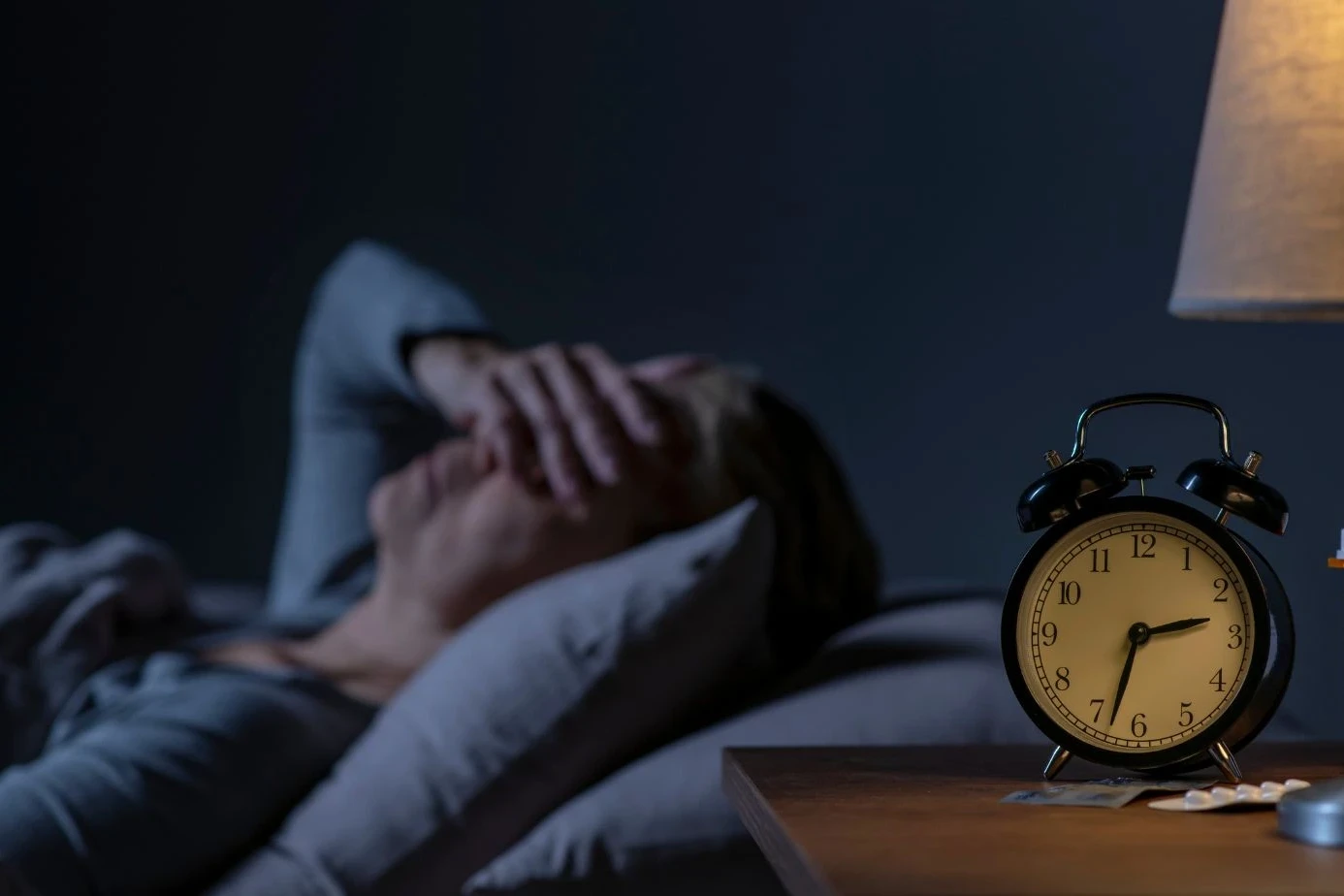
Caffeine and sleep apnea interact in a way that often worsens sleep quality, hides warning signs, and delays proper care. Caffeine does not cause sleep apnea, but it can increase nighttime sleep disruption, reduce deep sleep, and make daytime symptoms harder to judge.
Sleep apnea already fragments sleep and lowers oxygen levels. Adding caffeine increases brain alertness when the body should rest. Over time, this mismatch strains the nervous system and worsens fatigue, even when you feel temporarily awake.
What Is Sleep Apnea?
Sleep apnea is a long-term sleep disorder where breathing repeatedly slows or stops during sleep. These pauses reduce oxygen supply and force the brain to wake the body enough to restart breathing. Most awakenings last only seconds, but they occur many times each night.
Because sleep becomes shallow and broken, the body never reaches stable restorative sleep. You underestimate the damage because you do not remember waking up. Over time, untreated sleep apnea increases the risk of heart disease, stroke, diabetes, and impaired thinking.
Typical symptoms of sleep apnea include loud snoring, choking or gasping during sleep, dry mouth on waking, morning headaches, memory problems, low energy, and excessive daytime sleepiness. These signs often overlap with fatigue caused by poor sleep habits, which makes diagnosis harder when caffeine use is high.
Obstructive Sleep Apnea (OSA)
Obstructive sleep apnea is the most common type. It occurs when the muscles of the throat relax too much during sleep, allowing the airway to narrow or collapse. Airflow stops even though the chest and belly continue to move.
Risk factors include excess body weight, thick neck size, jaw structure, nasal blockage, alcohol use, and sleeping on the back. Each airway collapse causes a drop in oxygen and a brief stress response. Heart rate rises, blood pressure spikes, and sleep breaks.
Many people with OSA depend on caffeine to fight daytime fatigue. This creates a cycle where caffeine and sleep apnea feed into each other. The stimulant masks exhaustion but does not repair broken sleep, which pushes people to drink more caffeine the next day.
Central Sleep Apnea
Central sleep apnea occurs when the brain fails to send steady signals to the breathing muscles. The airway stays open, but breathing pauses because the drive to breathe drops. This form often appears in people with stroke, heart failure, brain injury, or certain medication use.
Caffeine stimulates the brain but does not correct unstable breathing control during sleep. In some cases, it increases sleep fragmentation. This makes caffeine and sleep apnea management more complex in central forms of the condition.
What Is Caffeine And How It Works
Caffeine is a natural stimulant found in coffee beans, tea leaves, cacao, and kola nuts. It is also added to sodas, energy drinks, supplements, and some pain relievers. It acts quickly and affects the brain more than any other organ.
How Caffeine Affects The Brain
Caffeine blocks adenosine, a chemical that builds sleep pressure across the day. Adenosine tells your brain that you need rest. When caffeine blocks it, you feel more alert and less tired.
This alertness does not restore sleep or reverse sleep loss. It only delays the brain’s awareness of fatigue. In people with fragmented sleep, this masking effect becomes dangerous. With caffeine and sleep apnea , the brain stays stimulated while the body remains under-rested, increasing stress hormones and nervous system strain.
Caffeine Half-Life And Stimulation Duration
Caffeine stays in your body longer than most people expect. On average, half of the caffeine you consume remains active after five to seven hours. In some people, especially those with slower metabolism, it lasts much longer.
Age, genetics, liver function, pregnancy, and medications all change how caffeine is cleared. Because of this, a mid-afternoon drink can still affect nighttime sleep. This delayed effect explains how caffeine affect your sleep even when you think it has worn off.
How Does Caffeine Affect Your Sleep?
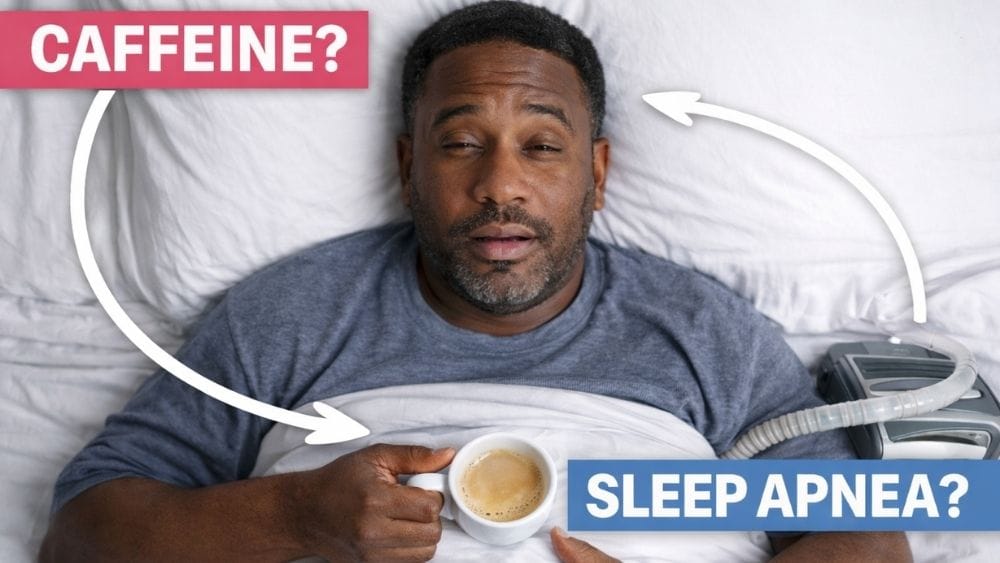
Healthy sleep follows a structured pattern of stages that repeat through the night. These stages include light sleep, deep sleep, and REM sleep. Caffeine disrupts this structure, and the impact is stronger in people with sleep apnea.
Sleep Onset Delay
Caffeine increases the time it takes to fall asleep. Your brain stays alert even when your body feels tired. For people with sleep apnea, this delay shortens total sleep time because wake-up schedules rarely change.
Less sleep time increases the number of breathing events per hour of sleep and worsens daytime fatigue. This is one reason caffeine and sleep apnea often lead to worsening symptoms instead of relief.
Reduced Deep Sleep (Slow-Wave Sleep)
Deep sleep supports tissue repair, immune balance, hormone regulation, and energy recovery. Caffeine reduces the amount of deep sleep you get, even if total sleep time looks normal.
Sleep apnea already breaks deep sleep due to repeated arousals. When caffeine adds another layer of disruption, the loss becomes significant.
REM Sleep Disruption
REM sleep plays a major role in memory, mood control, and learning. Caffeine shortens REM sleep and delays its onset. In sleep apnea, REM sleep is already unstable because airway collapse often worsens in this stage.
Reduced REM sleep contributes to irritability, poor focus, and emotional swings. Over time, this overlap between caffeine and sleep apnea increases mental fatigue even when total sleep hours seem adequate.
A Critical Clarification On Misinterpreted Conditions
Some online sources wrongly mix unrelated neurological conditions with sleep disorders. For example, the causes of psychogenic non-epileptic seizures involve stress-related brain signaling patterns and emotional processing, not airway collapse or breathing pauses during sleep.
Sleep apnea is a breathing disorder. Psychogenic non-epileptic seizures are not caused by caffeine use or sleep apnea itself. Confusing these conditions delays accurate diagnosis and proper care.
Can Caffeine Cause Insomnia In Sleep Apnea Patients?
Sleep apnea already disrupts normal sleep structure. When caffeine enters the picture, the risk of insomnia rises sharply. In people with untreated or partially treated apnea, caffeine increases brain arousal at night, even if consumed earlier in the day. This makes falling asleep harder and keeps sleep lighter and less stable.
The link between caffeine and sleep apnea becomes clearer when you look at sleep timing. Apnea fragments sleep from breathing pauses. Caffeine fragments sleep from overstimulation. Together, they increase the chance of long wake periods at night and poor sleep recovery.
Insomnia Vs Sleep Apnea: Key Differences
Insomnia is a condition where you struggle to fall asleep, stay asleep, or wake too early despite having enough time for sleep. Sleep apnea is a breathing disorder that disrupts sleep without your awareness. The symptoms overlap, but the causes differ.
In sleep apnea patients, caffeine can blur this difference. The stimulant delays sleep onset and increases awakenings, creating insomnia-like patterns. Over time, this makes it seem like caffeine causes insomnia , when the root problem remains untreated apnea.
Why Sleep Apnea Patients Are More Sensitive To Caffeine
Sleep apnea keeps your nervous system in a constant alert state. Oxygen drops trigger stress hormones like adrenaline and cortisol. Caffeine adds another stimulant layer on top of this stress response.
Because of this, people with sleep apnea feel stronger effects from smaller caffeine amounts. This sensitivity explains why caffeine and sleep apnea together often lead to racing thoughts at night, light sleep, and early awakenings.
Caffeine Intake And Sleep Apnea Symptoms
Caffeine does not just affect sleep at night. It also changes how sleep apnea symptoms appear during the day. This can delay diagnosis and hide treatment problems.
In many cases, caffeine masks the severity of symptoms of sleep apnea , making people believe they are coping when they are not.
Daytime Sleepiness And Caffeine Dependence
Daytime sleepiness is one of the strongest signs of sleep apnea. Caffeine temporarily improves alertness but does not improve sleep quality. As fatigue returns, people increase caffeine intake to stay functional.
This creates dependence. You may feel unable to work or drive without caffeine. In reality, caffeine and sleep apnea are working against you by hiding untreated sleep loss.
Morning Headaches
Morning headaches in sleep apnea often result from low oxygen and high carbon dioxide during sleep. Caffeine withdrawal also causes headaches, especially in habitual users.
This overlap confuses many patients. Drinking caffeine relieves withdrawal pain, not the apnea-related cause. This cycle reinforces daily caffeine use and worsens caffeine’s impact on your sleep over time.
Increased Nighttime Awakenings
Caffeine increases light sleep and reduces sleep stability. In sleep apnea, this means you wake up more easily after each breathing pause.
More awakenings mean more remembered sleep disruption. This leads to anxiety around sleep and reinforces insomnia patterns linked to caffeine and sleep apnea .
Caffeine Impacts Your Sleep
The effect of caffeine depends on timing, dose, and hidden exposure. Many people underestimate how much caffeine they consume and how long it lasts in the body.
For sleep apnea patients, even small mistakes in timing can significantly worsen sleep quality.
Best Time To Stop Caffeine Intake
For most people with sleep apnea, caffeine should stop by early afternoon. Even caffeine consumed six to eight hours before bed can still affect sleep stages.
Stopping earlier reduces nighttime arousals and improves sleep depth. This change alone often improves how caffeine affects your sleep without eliminating caffeine completely.
How Much Caffeine Is Too Much?
There is no single safe dose for sleep apnea patients. Sensitivity varies by age, metabolism, medications, and sleep severity. Some people experience sleep disruption with small amounts.
Doctors usually advise limiting intake rather than targeting a fixed dose. Monitoring sleep quality is more reliable than counting milligrams when managing caffeine and sleep apnea .
Hidden Sources Of Caffeine
Caffeine often comes from unexpected sources. Chocolate, green tea, energy powders, weight-loss supplements, and pain relievers can all contribute.
These hidden sources raise total intake without awareness. This silent buildup worsens how caffeine impacts your sleep , especially when consumed later in the day.
Sleep Hygiene Tips For Sleep Apnea Patients
Sleep hygiene does not treat sleep apnea, but it improves sleep stability and supports medical therapy. Good habits reduce arousal and help breathing patterns remain steady during sleep.
Effective sleep hygiene tips for sleep apnea focus on consistency, reduced stimulation, and a sleep-friendly environment.
Evening Routine Adjustments
A fixed bedtime helps regulate your internal clock. Avoid screens and stimulating activities late at night. Heavy meals and caffeine in the evening increase arousal and worsen breathing instability.
These adjustments reduce nighttime awakenings and support deeper sleep in people managing caffeine and sleep apnea .
Bedroom Environment Optimization
A cool, dark, quiet bedroom reduces sleep fragmentation. Excess heat and noise increase arousals after breathing pauses.
For people using CPAP, a stable environment improves comfort and adherence. These sleep hygiene tips for sleep apnea enhance treatment effectiveness without adding medication.
Alternatives To Caffeine For Daytime Alertness
Morning light exposure improves alertness by strengthening circadian rhythm. Short walks, hydration, and scheduled breaks support energy without overstimulation.
These strategies reduce reliance on caffeine and help stabilize sleep-wake patterns affected by caffeine and sleep apnea .
Should You Quit Caffeine If You Have Sleep Apnea?
Not everyone with sleep apnea must avoid caffeine completely. The goal is control, not elimination. Some people tolerate small morning amounts without sleep disruption.
However, poor sleep quality despite treatment often signals that caffeine timing or quantity needs adjustment.
Gradual Reduction Vs Abrupt Stopping
Gradual reduction prevents withdrawal symptoms like headaches and extreme fatigue. Reducing dose and shifting intake earlier allows the nervous system to adapt.
Abrupt stopping often worsens daytime sleepiness, pushing people back into heavy use. This approach works better for managing caffeine and sleep apnea long term.
Who Should Avoid Caffeine Completely
People with severe insomnia, persistent daytime sleepiness despite therapy, heart rhythm problems, or high anxiety often benefit from full avoidance.
In these cases, caffeine cause insomnia and interferes with sleep apnea treatment response.
When To Talk To A Doctor
Self-managing caffeine has limits. Persistent symptoms need medical review to rule out inadequate treatment or other sleep disorders. Ignoring warning signs delays recovery and increases long-term health risks linked to sleep apnea.
Persistent Daytime Sleepiness
If you feel sleepy despite enough time in bed and regular caffeine use, this signals untreated or poorly controlled apnea. Caffeine may be masking the severity. Doctors can reassess sleep studies, treatment settings, and lifestyle factors tied to caffeine and sleep apnea .
Poor CPAP Response Despite Treatment
If CPAP use does not improve energy or focus, caffeine timing and dose should be reviewed. Excess stimulation can reduce CPAP benefits by fragmenting sleep. Adjusting caffeine intake often improves treatment outcomes without changing equipment.
FAQs
Can Caffeine Make Sleep Apnea Worse?
Yes. Caffeine and sleep apnea interact by increasing nighttime arousal, reducing deep sleep, and making breathing pauses more disruptive. This worsens sleep quality even though caffeine does not cause airway collapse itself.
How Long Before Bed Should I Stop Caffeine?
You should stop caffeine at least eight hours before sleep. In sleep apnea, stopping by early afternoon works better because caffeine affects your sleep longer due to fragmented sleep and higher nervous system sensitivity.
Is Coffee Safe If I Use CPAP?
Yes, in limited amounts. Morning coffee is usually safe if CPAP is effective. Evening caffeine reduces CPAP benefits by increasing awakenings, which weakens how well caffeine and sleep apnea can be balanced.
Can Quitting Caffeine Improve Sleep Apnea Symptoms?
Yes, partially. Quitting caffeine improves sleep depth, reduces awakenings, and lowers insomnia risk. It does not cure apnea, but it improves how symptoms of sleep apnea feel during the day and night.
About The Author

Medically reviewed by Dr. Chandril Chugh, MD, DM (Neurology)
Dr. Chandril Chugh is a U.S.-trained, board-certified neurologist with expertise in diagnosing and managing neurological disorders, including migraines, epilepsy, Parkinson’s disease, and movement disorders. His clinical focus includes evidence-based neurological care and patient education.
All content is reviewed for medical accuracy and aligned with current neurological guidelines.