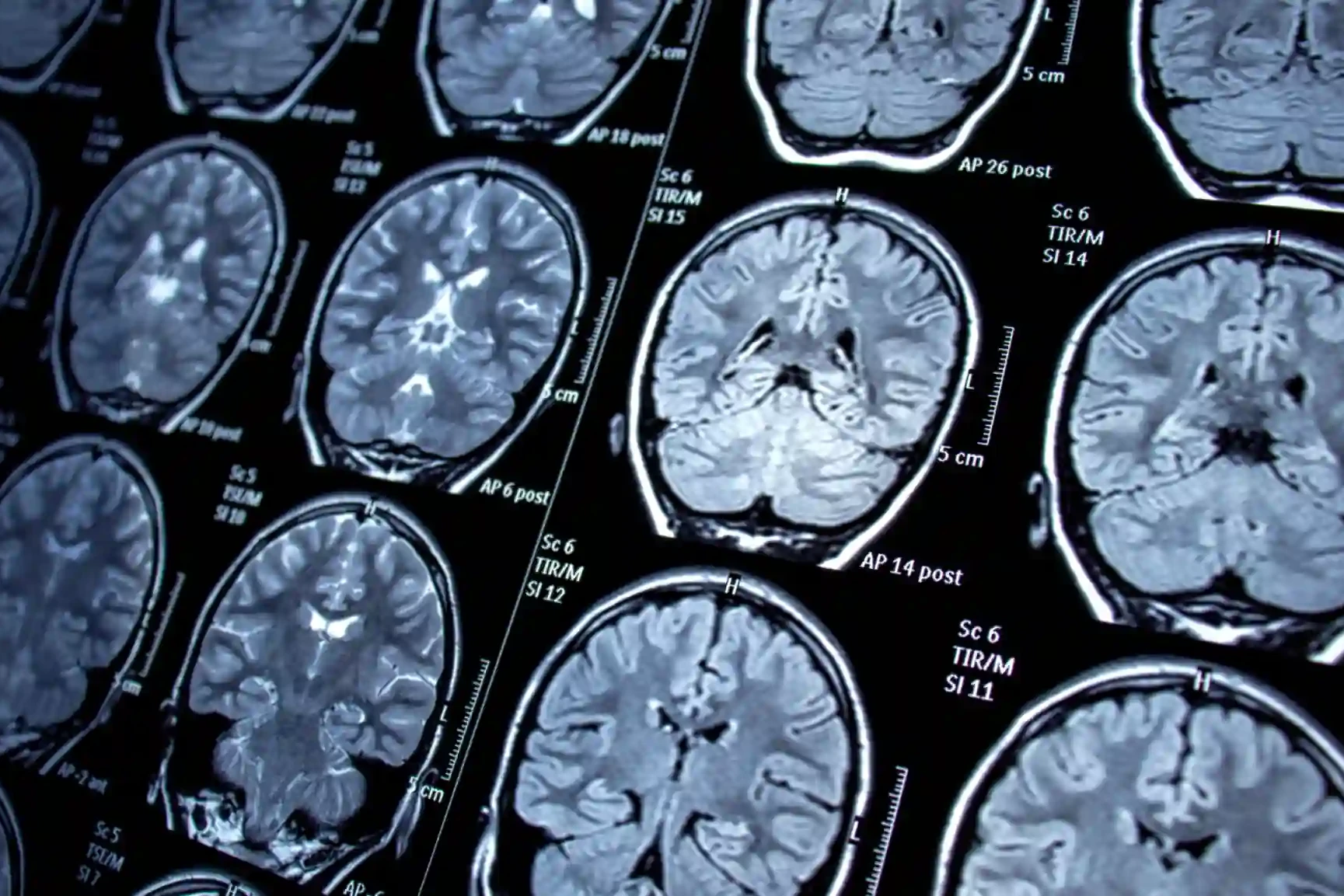
Stress and epilepsy are closely linked through brain chemistry, sleep patterns, hormones, and daily habits. When stress rises, the brain becomes more excitable, seizure thresholds drop, and seizure control weakens.
For many people with epilepsy, stress does not create the condition, but it often acts as a powerful trigger that increases seizure frequency, intensity, and recovery time.
How Does Stress Trigger Seizures
Stress affects your nervous system within minutes. It changes hormone levels, disrupts sleep, and alters how brain cells communicate. These changes explain why stress and epilepsy interact so strongly in daily life.
Cortisol, Adrenaline, and Brain Excitability
When you feel stressed, your body releases cortisol and adrenaline. These hormones increase alertness and prepare you for danger. In the brain, they raise electrical activity. For someone with epilepsy, this matters because seizures happen when brain cells fire too much or too fast.
High cortisol levels lower the seizure threshold, meaning your brain needs less stimulation to trigger a seizure. Chronic stress keeps cortisol elevated for long periods. This ongoing exposure increases neuron sensitivity and makes abnormal electrical firing more likely. This is one biological reason stress triggers seizures in people with epilepsy.
Long-term stress also interferes with gamma-aminobutyric acid, or GABA, which is a calming brain chemical. Reduced GABA activity removes the brain’s natural braking system. Without that brake, seizures occur more easily. This mechanism strengthens the link between stress and epilepsy beyond emotional factors.
Stress-Induced Sleep Deprivation
Stress often disrupts sleep quality and sleep timing. You may fall asleep late, wake up often, or feel unrested. Sleep loss is one of the most reliable seizure triggers across epilepsy types.
During deep sleep, the brain resets electrical activity. Stress blocks this reset process. Even one night of poor sleep can raise seizure risk the next day. Repeated sleep loss builds cumulative risk, especially for people who already have unstable seizure control. This explains why many patients report that stress triggers seizures after periods of intense worry or emotional overload.
Sleep disruption also changes how seizure medications work. Irregular sleep alters drug metabolism and blood levels. This adds another layer to the stress and epilepsy connection.
Stress, Medication Adherence, and Seizure Risk
Stress affects routines. You may forget doses, delay refills, or take medication at inconsistent times. Even small changes in timing can increase seizure risk.
Stress also affects digestion. Anxiety can slow stomach emptying or cause nausea. This reduces medication absorption. Lower drug levels reduce seizure protection. These practical factors explain why seizure control often worsens during stressful life events. This behavioral pathway reinforces how stress and epilepsy interact beyond brain chemistry.
Stress and Neuroinflammation
Stress increases inflammation in the brain. Inflammation makes neurons unstable and more reactive. In epilepsy, this instability raises seizure likelihood.
Chronic stress activates immune signaling pathways that were meant for short-term threats. Over time, these signals damage neural balance. Inflammation also interferes with the blood-brain barrier, which normally protects brain tissue. When this barrier weakens, seizure risk increases.
Stress and Epilepsy Symptoms
Stress does not only increase seizure numbers. It changes how seizures feel, how long they last, and how quickly you recover.
Increased Seizure Frequency
Many people notice more seizures during stressful periods such as exams, job pressure, family conflict, or illness. Stress adds strain to an already sensitive brain.
Repeated stress exposure creates a pattern where seizures cluster around emotional events. Over time, this pattern becomes predictable. This real-world observation supports the strong connection between stress and epilepsy seen in clinical settings.
Changes in Seizure Severity
Stress can make seizures longer or harder to stop. Recovery may take more time. Confusion, fatigue, or headache may last longer than usual.
Stress weakens the brain’s ability to restore normal electrical activity after a seizure. This delayed recovery increases injury risk and disrupts daily functioning. For some people, stress also increases the chance of seizures progressing into more severe forms.
Cognitive and Emotional Symptoms
Stress affects attention, memory, and processing speed. Epilepsy already places strain on these functions. Together, they amplify cognitive difficulties.
You may notice slower thinking, word-finding problems, or poor focus. These changes often appear alongside common symptoms of epilepsy , such as confusion after seizures or memory gaps. Stress intensifies these effects and makes daily tasks harder.
Anxiety, Depression, and Epilepsy Overlap
Stress increases anxiety and depression risk. These conditions are common in epilepsy and strongly affect seizure control.
Anxiety raises baseline brain arousal. Depression alters sleep and motivation. Both increase stress hormones. This creates a feedback loop where mood symptoms worsen seizures, and seizures worsen mood.
Stress vs Epileptic Seizures vs PNES
Not all stress-related seizure-like events come from epilepsy. Understanding the difference prevents misdiagnosis and delayed care.
How Stress Affects Epileptic Seizures
In epilepsy, seizures come from abnormal electrical activity in the brain. Stress does not create this abnormal wiring. It acts as a trigger.
Stress can provoke seizures in people who already have epilepsy by lowering the seizure threshold. It does not create epilepsy in someone without the condition.
Stress-related triggers include emotional distress, sleep loss, illness, and sudden life changes. Recognizing these triggers helps reduce seizure risk and strengthens control over stress and epilepsy patterns.
Stress as a Primary Factor in PNES
Psychogenic non-epileptic seizures, or PNES, look like epileptic seizures but have a different cause. These events come from psychological stress rather than abnormal brain electrical activity.
The causes of psychogenic non-epileptic seizures often include long-term emotional stress, unresolved trauma, or severe anxiety. Brain scans and EEG tests remain normal during these episodes.
PNES is not fake or intentional. The body reacts to stress through physical symptoms. Understanding the causes of psychogenic non-epileptic seizures helps guide proper treatment, which focuses on therapy rather than seizure medication.
Why Accurate Diagnosis Matters
Treating PNES with epilepsy drugs does not help and may cause side effects. Treating epilepsy as stress alone delays seizure control.
Accurate diagnosis allows targeted care. Epilepsy treatment focuses on medication and trigger control. PNES treatment focuses on therapy and stress reduction. This distinction protects safety and improves outcomes related to stress, epilepsy, and related conditions.
Does Reducing Stress Help Epilepsy
Lowering stress does not replace epilepsy treatment, but it directly affects how stable your brain remains day to day. When stress drops, hormone spikes reduce, sleep improves, and medication works more predictably. This combination explains why many people notice better seizure control when stress stays managed.
Evidence From Clinical Studies
Clinical observations show that people who actively reduce stress often report fewer seizures over time. Stress reduction lowers cortisol levels, stabilizes sleep cycles, and reduces nervous system overactivity. These changes raise the seizure threshold. This is why neurologists now consider stress control a supportive tool, not an optional one, when managing stress and epilepsy long-term.
Stress Reduction and Seizure Control
Stress reduction improves seizure control by reducing sudden brain overstimulation. Fewer adrenaline spikes mean fewer abrupt electrical shifts in the brain. While stress control does not eliminate epilepsy, it reduces how often stress triggers seizures , especially in people with stress-sensitive seizure patterns.
Stress Management for Epilepsy
Managing stress requires structure, not motivation. Random relaxation rarely works. Effective strategies focus on calming the nervous system, protecting sleep, and keeping routines stable. These steps directly lower seizure risk and support long-term control of stress and epilepsy .
Cognitive Behavioral Therapy (CBT)
CBT helps you identify stress patterns that raise seizure risk. It teaches you how thoughts, reactions, and habits affect your nervous system. By reducing constant mental tension, CBT lowers baseline brain excitability. This makes it a proven tool in stress management for epilepsy , especially when anxiety drives seizure flares.
Mindfulness and Relaxation Techniques
Mindfulness slows breathing and heart rate, which calms the brain. Techniques like paced breathing and body scanning reduce adrenaline release. Over time, this lowers how often stress triggers seizures by stabilizing the autonomic nervous system. These methods work best when practiced daily, not only during stress.
Sleep Hygiene and Routine Stabilization
Regular sleep times protect seizure control. Stress often disrupts circadian rhythm, which increases seizure risk. Consistent bedtime routines, low evening stimulation, and fixed wake times help the brain reset properly. Sleep stability remains one of the strongest forms of stress management for epilepsy .
Physical Activity and Stress Regulation
Moderate exercise reduces stress hormones and improves mood. Activities like walking or swimming stabilize brain chemistry without overstimulation. Overexertion can raise stress instead of lowering it. Balanced activity supports nervous system health and improves stress and epilepsy outcomes.
Avoiding Stress-Related Seizure Triggers
Identifying stress-based triggers helps prevent seizures before they happen. Triggers may include deadlines, social overload, or emotional conflict. Avoiding or pacing these stressors reduces sudden brain overload and supports effective stress management for epilepsy .
Daily Stress Management Tips for People With Epilepsy
Daily habits shape seizure risk more than rare events. Small adjustments lower baseline stress and reduce brain instability linked to stress and epilepsy .
Identifying Personal Stress Triggers
Tracking stress levels alongside seizures reveals patterns. Common triggers include sleep loss, emotional conflict, and schedule changes. When you know which stressors affect you most, prevention becomes easier. This awareness reduces how often stress triggers seizures in daily life.
Building a Stress-Safe Daily Routine
Predictable routines lower nervous system strain. Regular meals, fixed sleep times, and consistent medication schedules protect brain balance. Routine reduces decision fatigue, which lowers stress hormones and stabilizes seizure control in stress and epilepsy management.
Work, School, and Social Stress Strategies
Structured breaks, clear boundaries, and realistic workload limits reduce stress exposure. Communicating needs early prevents overload. Managing environmental stressors protects seizure control and reduces flare-ups related to symptoms of epilepsy during demanding periods.
When to See a Doctor
Stress-related seizure changes should never be ignored. Medical review helps rule out medication issues, disease progression, or hidden triggers affecting stress and epilepsy control.
Stress-Related Increase in Seizures
If seizures increase during stress, a doctor may adjust treatment or add stress-focused support. Persistent increases suggest lowered seizure threshold, not just temporary stress response. Early care prevents escalation.
Sudden Changes in Seizure Pattern
New seizure types, longer recovery times, or loss of warning signs require immediate evaluation. Stress can mask serious neurological changes. Medical assessment ensures safe and accurate management.
Mental Health Red Flags
Severe anxiety, depression, or emotional shutdown directly worsens seizure control. Mental health treatment reduces stress hormones and improves outcomes linked to stress and epilepsy , especially when mood symptoms drive seizure cycles.
FAQs
Can emotional stress cause seizures?
Yes. Emotional stress can trigger seizures in people with epilepsy by raising cortisol and adrenaline, which increases brain excitability. This confirms how stress and epilepsy interact at a biological level, not just emotionally.
Can stress alone trigger epilepsy?
No. Stress does not create epilepsy. Epilepsy begins from abnormal brain wiring or injury. Stress only triggers seizures in someone who already has epilepsy and differs from causing epilepsy itself.
Does anxiety make epilepsy worse?
Yes. Anxiety raises baseline stress hormones, disrupts sleep, and increases nervous system arousal. These changes lower seizure threshold and worsen symptoms of epilepsy , especially in stress-sensitive seizure types.
Can therapy reduce seizures caused by stress?
Yes. Therapy reduces seizure frequency when stress is a major trigger. CBT lowers cortisol levels, improves sleep, and stabilizes routines. This supports why reducing stress helps epilepsy in many patients.
Is stress a trigger for all types of epilepsy?
No. Stress affects many but not all epilepsy types. People with temporal and generalized epilepsies report stress sensitivity more often. This variability explains why stress and epilepsy responses differ between individuals.
About The Author

Medically reviewed by Dr. Chandril Chugh, MD, DM (Neurology)
Dr. Chandril Chugh is a U.S.-trained, board-certified neurologist with expertise in diagnosing and managing neurological disorders, including migraines, epilepsy, Parkinson’s disease, and movement disorders. His clinical focus includes evidence-based neurological care and patient education.
All content is reviewed for medical accuracy and aligned with current neurological guidelines.