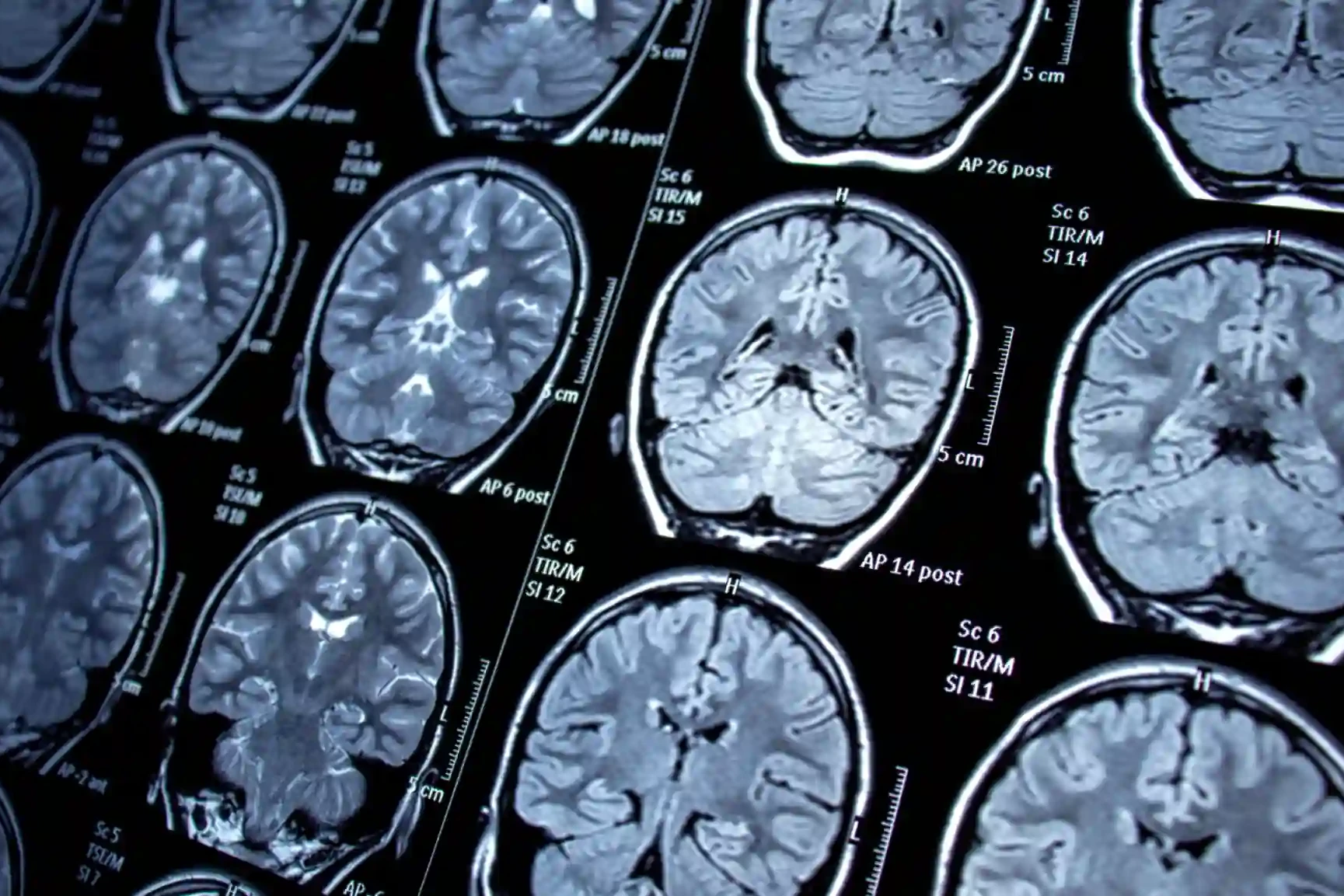
Vertigo is a balance disorder where you feel spinning, tilting, or movement even when your body stays still. It is not ordinary dizziness. Vertigo happens when the brain receives wrong signals about motion and position.
The causes of vertigo usually begin in the inner ear, where balance organs control motion sensing. Problems like displaced calcium crystals, inner ear inflammation, or fluid pressure changes are the most frequent triggers.
Some causes of vertigo come from the brain, such as stroke, head injury, or nerve damage, which interfere with balance processing. Dehydration, low blood pressure, and medication side effects also disrupt balance signals.
In many cases, vertigo appears when multiple systems fail together rather than from a single problem.
Types Of Vertigo
Doctors divide vertigo into two main types. Each type has different causes of vertigo , warning signs, and risk levels.
Peripheral Vertigo
Peripheral vertigo starts in the inner ear. This area holds tiny fluid-filled canals that sense head movement. When these signals go wrong, your brain receives false motion messages.
Key facts you should know:
- Peripheral vertigo causes strong spinning feelings.
- Symptoms often worsen when you move your head.
- Hearing changes may appear with some inner ear problems.
Most common causes of vertigo belong to this group. Over 70% of vertigo cases start here. Inner ear disorders create sudden but short attacks rather than constant symptoms.
Central Vertigo
Central vertigo begins in the brain or brainstem. These areas process balance signals from your eyes, ears, and muscles.
Important differences:
- Symptoms last longer than peripheral vertigo.
- Balance loss feels severe and constant.
- Other nerve signs often appear.
These causes of vertigo need urgent care because they may signal stroke or brain disease. Central vertigo often comes with vision loss, speech problems, or weakness on one side of the body.
Common Causes Of Vertigo
Several conditions explain most real-world cases. These causes of vertigo appear across all age groups.
Benign Paroxysmal Positional Vertigo (BPPV Causes)
BPPV is the leading diagnosis worldwide. It affects older adults most, but it can hit anyone.
BPPV causes include loose calcium crystals inside the inner ear. These crystals normally help sense gravity. When they shift into the wrong canal, they send false movement signals.
You may notice:
- Sudden spinning when lying down or rolling over
- Vertigo lasting less than one minute
- No hearing loss in most cases
BPPV does not damage the ear, but it confuses the balance system. That is why repositioning treatments work.
Inner Ear Causes Of Vertigo
The inner ear controls balance and hearing. When it becomes inflamed, infected, or damaged, balance signals break down.
Common inner ear causes of vertigo include:
- Viral or bacterial ear infections
- Fluid pressure changes
- Age-related loss of balance cells
Even mild inner ear swelling can cause strong vertigo because balance cells are highly sensitive. These causes of vertigo often come with ear fullness or muffled hearing.
Vestibular Neuritis And Labyrinthitis
These disorders involve inflammation of the balance nerves. Vestibular neuritis affects the balance nerves only. Labyrinthitis affects balance and hearing structures.
Key facts supported by hospital studies:
- Viral infections trigger most cases.
- Symptoms start suddenly and feel severe.
- Balance improves slowly over weeks.
Doctors note that early treatment helps reduce long-term balance weakness. These causes of vertigo do not usually repeat once healed.
Ménière’s Disease
Ménière’s disease causes repeated vertigo attacks due to abnormal inner ear fluid pressure.
You may experience:
- Episodes lasting hours
- Hearing loss that worsens over time
- Ringing or roaring sounds in the ear
Long-term studies show Ménière’s disease changes the inner ear structure. This makes it one of the more complex causes of vertigo to manage.
Migraine-Related Vertigo
Migraines do not always cause headaches. Many people develop vertigo instead. Medical research confirms:
- Migraine-related vertigo may occur without head pain
- Light and sound sensitivity are common
- Episodes repeat over months or years
These causes of vertigo link to abnormal brain signal processing rather than ear damage.
Neurological Causes Of Vertigo
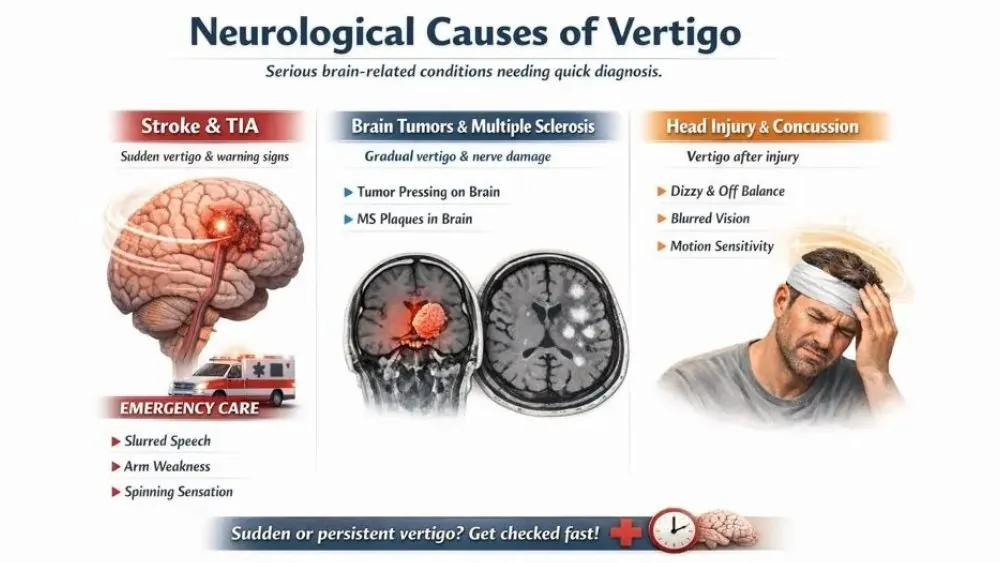
Brain-related problems produce serious causes of vertigo that need fast diagnosis.
Stroke And Transient Ischemic Attack
Reduced blood flow to balance centers in the brain can cause sudden vertigo.
Warning signs include:
- Sudden spinning without warning
- Trouble speaking
- Weakness in arms or legs
Vertigo alone can be the first sign of a brainstem stroke. These causes of vertigo require emergency care.
Brain Tumors And Multiple Sclerosis
Slow-growing brain conditions also disrupt balance signals.
Medical imaging studies show:
- Tumors press on balance pathways
- Multiple sclerosis damages nerve insulation (myelin)
Symptoms develop gradually, and vertigo may worsen over time. These causes of vertigo rarely improve without treating the underlying disease.
Head Injury And Concussion
Trauma shakes the brain and inner ear together.
You may notice:
- Vertigo days after injury
- Motion sensitivity
- Trouble focusing eyes
Concussions alter balance circuits. These causes of vertigo may last weeks if untreated.
Medical And Systemic Causes
These causes of vertigo come from problems that affect your whole body rather than a single balance organ. Blood flow, body fluids, and drug effects all influence how balance signals travel to the brain. When these systems fail, vertigo can appear even without ear disease.
Low Blood Pressure And Circulation Problems
Low blood pressure reduces oxygen supply to balance centers in the brain. This often causes spinning, weakness, or vision dimming when you stand up. Poor circulation from heart disease or anemia can create repeated vertigo episodes. These causes of vertigo worsen in dehydration or long-term illness.
Dehydration And Electrolyte Imbalance
Your inner ear depends on proper fluid and mineral levels to sense motion. Dehydration alters sodium and potassium balance, which disrupts nerve signaling. Vertigo may appear with dry mouth, dark urine, or fatigue. These common causes of vertigo often worsen during fever or vomiting.
Medication-Induced Vertigo
Some drugs interfere with brain or inner ear signaling. Blood pressure medicines, sedatives, antidepressants, and certain antibiotics are common triggers. Vertigo may start after a dose change or a new prescription. Doctors often suspect this cause when symptoms improve after stopping the drug.
Vertigo Causes And Symptoms
The body reacts in predictable ways when balance signals fail. The symptoms of vertigo help identify where the problem starts. Ear-related causes differ from brain-related ones.
Spinning Sensation And Imbalance
You feel that you or the room is moving when nothing is. Walking becomes hard because your brain cannot judge direction correctly. Head movement often worsens symptoms. This sign appears in almost all cases of vertigo .
Nausea And Vomiting
Balance centers connect directly to nausea centers in the brain. Strong vertigo commonly triggers stomach upset and vomiting. Repeated vomiting increases dehydration and symptom severity. This reaction is common in inner ear disorders.
Hearing Loss Or Ringing In Ears
Hearing changes strongly suggest inner ear causes of vertigo . Ringing, pressure, or muffled sounds may appear in one ear. These signs help rule out brain-related vertigo. Ménière’s disease often shows this pattern.
Visual Disturbances And Headache
Blurred vision or jumping images occur when eye and balance signals lose coordination. Migraine-related vertigo often includes light sensitivity or mild headache. These symptoms worsen with screen use or bright light. They suggest brain processing involvement.
Dizziness Vs Vertigo Causes
Many people confuse dizziness with vertigo. The difference matters for diagnosis and treatment.
Causes Of Dizziness Without Vertigo
Low blood sugar, anxiety, fatigue, or mild dehydration can cause lightheadedness. You feel faint rather than spinning. The ground does not feel like it is moving. These problems do not involve balance organs.
Causes Specific To Vertigo
True vertigo always includes a false motion sensation. The brain believes movement exists when it does not. These causes of vertigo involve the inner ear, balance nerves, or brainstem. Nausea and imbalance often follow.
When Dizziness Indicates Vertigo
If dizziness worsens with head movement and includes spinning, vertigo is likely. Added nausea or balance loss strengthens the diagnosis. This pattern guides doctors toward balanced testing.
Diagnosis Of Vertigo
Diagnosis focuses on finding the exact causes of vertigo , not just symptom control. Early accuracy prevents repeat attacks.
Medical History And Symptom Evaluation
Doctors assess triggers, duration, hearing changes, and prior infections. Even small details reveal likely causes. Sudden short attacks suggest BPPV, while long attacks raise brain concerns. History often narrows the diagnosis quickly.
Physical And Balance Tests
Eye movement tests show how balance reflexes work. Simple bedside exams detect abnormal responses. These tests often confirm BPPV causes without imaging. They are fast and reliable.
Imaging Tests (CT, MRI)
Scans rule out strokes, tumors, or nerve damage. Imaging is vital when neurological symptoms appear. It helps confirm serious causes of vertigo . Normal scans often reassure patients.
Inner Ear And Hearing Tests
Hearing tests measure how sound travels through the ear. Balance tests assess the inner ear response to motion. These confirm inner ear causes of vertigo . Results guide treatment planning.
Treatment Based On Cause
Treatment works only when matched to the real causes of vertigo . Symptom-only care leads to relapse.
Repositioning Maneuvers (Epley Maneuver)
This technique treats BPPV by moving loose crystals back into place. It uses slow head movements under guidance. Relief often occurs within days. It avoids drugs or surgery.
Medications For Vertigo
Doctors usually prescribe short-term medicines for nausea or motion control. These reduce discomfort but do not correct the cause. Long-term use is avoided. Treatment changes once the diagnosis is clear.
Vestibular Rehabilitation Therapy
This therapy retrains the brain to adapt to faulty balance signals. Exercises improve coordination and confidence. It reduces falls and the fear of movement. Recovery improves with consistency.
Treating Underlying Conditions
Managing infections, migraines, blood pressure, or nerve disease prevents recurrence. Long-term control reduces repeat attacks. This approach targets the root causes of vertigo .
When To See A Doctor
Some causes of vertigo need urgent care. Delay increases risk.
Sudden Or Severe Vertigo
Sudden, intense vertigo without warning may signal a stroke. Immediate evaluation is critical. Early care prevents permanent damage.
Vertigo With Neurological Symptoms
Weakness, numbness, speech trouble, or vision loss signals brain involvement. These signs point to central vertigo. Emergency care is required.
Recurrent Or Worsening Vertigo
Repeated episodes suggest untreated balance disorders. Symptoms that worsen over time need evaluation. Early treatment prevents disability.
Prevention Of Vertigo
Some causes of vertigo cannot be prevented, but risks can be reduced.
Preventing BPPV Episodes
Avoid sudden head movements and sleep with head support. Gentle neck motion reduces crystal displacement. These steps lower recurrence risk.
Lifestyle Changes For Inner Ear Health
Limit salt, avoid smoking, and treat ear infections early. These protect the balance organs. They reduce the inner ear causes of vertigo over time.
Stress And Hydration Management
Stress increases balance sensitivity. Adequate hydration stabilizes nerve signals. Both lower vertigo frequency.
FAQs
What Is The Most Common Cause Of Vertigo?
Benign paroxysmal positional vertigo is the most frequent diagnosis worldwide. It occurs when tiny calcium crystals shift inside the inner ear and disrupt balance signals. This condition explains the most common causes of vertigo in adults.
Can Vertigo Resolve On Its Own?
Some vertigo episodes fade as the brain adapts, especially mild inner ear issues. However, many causes of vertigo return without proper treatment. Ignoring symptoms increases the risk of repeated attacks.
Is Vertigo Dangerous?
Vertigo itself does not damage the brain. The danger comes from falls, dehydration, and delayed stroke diagnosis. Serious causes of vertigo require early medical attention to prevent complications.
How Long Do Vertigo Episodes Last?
Vertigo episodes may last seconds, minutes, hours, or days, depending on the cause. BPPV causes short attacks, while migraines or Ménière’s disease cause longer episodes. Duration helps identify the causes of vertigo .
Can Anxiety Cause Vertigo?
Anxiety does not directly damage balance organs. It can worsen dizziness and spinning sensations by heightening brain sensitivity. Anxiety often amplifies existing causes of vertigo rather than creating them.
Can Dehydration Cause Vertigo?
Yes, dehydration disrupts the fluid and electrolyte balance needed for nerve signaling. This affects the inner ear and brain communication. Dehydration remains an underrecognized trigger among causes of vertigo .
How Do Inner Ear Problems Lead To Vertigo?
Inner ear structures send motion signals to the brain. When inflammation, infection, or pressure changes occur, these signals become inaccurate. This mechanism explains many inner ear causes of vertigo .
What Is Vestibular Neuritis And Labyrinthitis?
Vestibular neuritis inflames balance nerves, while labyrinthitis affects balance and hearing. Both usually follow viral infections. They cause sudden, intense vertigo that improves slowly with time.
How Does Ménière’s Disease Cause Vertigo?
Ménière’s disease increases fluid pressure inside the inner ear. This damages balance sensors and hearing cells. The result is repeated vertigo attacks with hearing changes.
Can Migraines Trigger Vertigo?
Yes, migraines can disrupt brain balance processing even without head pain. Light sensitivity and motion intolerance often appear. Migraine-related vertigo is a well-recognized neurological condition.
What Neurological Conditions Cause Vertigo?
Stroke, brain tumors, multiple sclerosis, and head injury disrupt balance pathways. These causes of vertigo often come with vision, speech, or movement problems. Immediate evaluation is critical.
About The Author

Medically reviewed by Dr. Chandril Chugh, MD, DM (Neurology)
Dr. Chandril Chugh is a U.S.-trained, board-certified neurologist with expertise in diagnosing and managing neurological disorders, including migraines, epilepsy, Parkinson’s disease, and movement disorders. His clinical focus includes evidence-based neurological care and patient education.
All content is reviewed for medical accuracy and aligned with current neurological guidelines.