Dysmetria is a movement control problem that makes your hand, leg, or eyes miss the exact spot you aim for, either by going too far or stopping too early. It is usually linked to damage in the cerebellum, the part of your brain that helps you keep steady balance, smooth motion, and accurate targeting.
The most common causes of dysmetria include stroke, multiple sclerosis, head injury, infections, and genetic ataxias. You’ll first notice symptoms of dysmetria when they struggle with simple tasks like touching a target, handwriting, buttoning clothes, or keeping their steps steady while walking.
Doctors use coordination tests and MRI scans to understand what is happening in the brain. While no single cure exists, early treatment focuses on addressing the underlying condition, improving coordination through therapy, and lowering fall risks so you can function more safely and confidently.
Dysmetria Meaning
Definition of dysmetria (overshooting/undershooting movement)
In simple words, dysmetria means your movements do not stop in the right place. You may overshoot a target, called hypermetria, or undershoot it, called hypometria.
Doctors see this clearly in bedside tests. If you are asked to touch your nose and then the examiner’s finger, your finger may swing past or fall short, then correct in small steps. The muscles themselves can be strong, and the joints normal.
The core problem lies in the brain system that sets the distance, speed, and timing of each move. Medical references class this as a type of cerebellar ataxia, which means poor coordination rather than muscle weakness.
How dysmetria relates to cerebellar coordination
The cerebellum sits at the back of your brain and acts like a control unit for movement. It compares what you plan to do with what your body is actually doing, then sends tiny, fast corrections so that your movement feels smooth and accurate.
When this “error checking” loop fails, the corrections come too late or are too strong. That is when dysmetria appears. Instead of one clean motion, your arm or leg may zigzag and miss the goal.
Dysmetria vs. ataxia: key differences
Ataxia is a broad word that covers many problems with balance and coordination. It can affect walking, standing, speech, and eye control. Dysmetria is more specific. It refers to missing the end point of a goal-directed movement, such as touching your nose, tracking a moving object, or reaching for an item on a shelf.
You can have ataxia with fairly accurate targeting, or you can have targeting errors without very severe walking problems, or both at the same time. By looking at whether dysmetria is present and how it appears, and then pairing that with imaging such as MRI, neurologists can narrow down which parts of your nervous system are damaged.
Causes of Dysmetria
Most dysmetria comes from damage to the cerebellum or the nerve pathways that connect it with the rest of the brain. This damage can happen suddenly, such as with stroke or head injury, or it can build slowly over years due to genetic or degenerative disease. Understanding the broad causes of dysmetria helps your doctor choose the right scans and blood tests and avoid missing serious but treatable conditions.
Cerebellar injury or degeneration
A direct injury to the cerebellum can follow a fall on the back of the head, bleeding in that region, or brain surgery that crosses cerebellar tissue. In these cases, dysmetria often starts suddenly and may affect one side of the body more than the other.
Degenerative and inherited ataxias slowly kill cerebellar cells over many years. People with these disorders often develop a gradual loss of movement accuracy along with gait ataxia and slurred speech.
Stroke affecting cerebellar pathways
Stroke is one of the best studied causes of dysmetria . If a blood vessel that feeds the cerebellum is blocked or bursts, you may develop sudden dizziness, vomiting, severe imbalance, and inaccuracy of limb movements on one or both sides. Strokes in the brainstem, which carries many cerebellar pathways, can also cause the same sign even when the cerebellum itself looks normal on scans.
Large stroke series from major centers and NIH-linked groups support this connection. The exact pattern depends on the vessel involved, so imaging is essential. Treatment focuses on standard stroke care and risk factor control rather than a specific drug just for dysmetria .
Multiple sclerosis and autoimmune causes
In multiple sclerosis (MS), your immune system attacks the myelin coating on nerve fibers. When MS plaques form in the cerebellum or nearby pathways, dysmetria can appear during a flare along with other ataxia signs.
Other autoimmune conditions, such as gluten-related ataxia or autoimmune cerebellitis, can also damage cerebellar tissue. In these problems, immune cells and antibodies mistakenly target parts of the brain.
Brain infections or inflammation
Some viral and bacterial infections inflame the cerebellum and lead to acute symptoms. Doctors often call this cerebellitis. It can cause rapid-onset dysmetria , unsteady walking, and abnormal eye movements, especially in children and young adults.
Inflammatory brain diseases such as neurosarcoidosis or paraneoplastic syndromes, where your immune system reacts to a hidden cancer, may also involve the cerebellum and produce similar signs.
Genetic or metabolic neurological disorders
Certain inherited gene changes affect how the cerebellum develops or stays healthy. Many spinocerebellar ataxias and related syndromes include dysmetria , gait ataxia, and speech changes that begin in childhood or early adult life.
Metabolic problems can also damage cerebellar cells. Long-term heavy alcohol use, severe vitamin B1 (thiamine) lack, and exposure to some toxins are well-known examples. In these situations, stopping the toxin and correcting the deficiency may prevent further damage, but existing dysmetria often improves only partly, and the degree of recovery differs widely between individuals.
Dysmetria Symptoms
Overshooting (hypermetria) movements
One classic symptom is overshooting a target. You reach for a door handle or cup and your hand goes past it, then swings back in a series of small corrections. Movements look broken into steps instead of one smooth path. This tends to become more obvious when you move quickly or try to hit a small target, as described in clinical coordination tests like the finger-to-nose task.
Undershooting (hypometria) movements
Undershooting is the mirror image problem. Your hand or foot stops before it reaches the goal. You then take several short, choppy moves to “creep up” on the object. This pattern can worsen when you feel tired, anxious, or rush through tasks. Doctors look for both overshoot and undershoot when they assess dysmetria at the bedside.
Difficulty with precision tasks (buttoning, writing, pointing)
Because your reach is not accurate, fine tasks become slow and frustrating. You may fumble with buttons, coins, keys, or phone screens. Handwriting can become shaky or uneven, and lines may drift off the page. These everyday problems reflect a brain coordination issue rather than lack of effort or motivation.
Eye movement dysmetria (saccadic errors)
This sign can also affect your eyes. Normal eyes make quick jumps, called saccades, from one word or object to another. With eye movement dysmetria , those jumps go too far or not far enough, so your eyes overshoot and then correct or “bounce” around the target. You may feel that words move on the page or that your eyes cannot lock onto a line while reading.
Gait imbalance & coordination problems
Many people with this condition also feel off balance. You might walk with a wider stance, sway, or feel unsafe on uneven ground or when turning. These gait and coordination problems often come from the same cerebellar damage that causes limb and eye dysmetria , and they should be taken seriously, especially if they appear suddenly or worsen over hours to days.
Signs Of Cerebellar Dysfunction

When you have dysmetria , you often show other signs of cerebellar dysfunction . These signs help your doctor confirm that the cerebellum and its pathways are involved.
Intention Tremor
Intention tremor is a shaking that appears or gets worse when you move toward a target. For example, your hand looks steady at rest, but it starts to shake more as it nears a cup or your own face. This tremor is a classic cerebellar sign and often appears together with dysmetria , because both come from faulty control of movement range and timing.
Nystagmus Or Abnormal Eye Movements
Nystagmus is a rhythmic, back-and-forth eye movement. It can show up when you look to the side or hold your gaze. You may feel the room move or spin. Cerebellar disease often causes nystagmus, saccadic dysmetria of eye jumps, or both. These changes tell your doctor that the balance and eye control centers in the back of the brain may be involved.
Speech Changes (Scanning Or Slurred Speech)
The cerebellum also fine-tunes the timing of speech muscles. If it does not work well, your speech may sound slow, broken into clear chunks, or slurred. Doctors call this scanning or ataxic speech. It often appears together with limb dysmetria and gait ataxia in many cerebellar disorders.
Poor Balance And Wide-Based Gait
Many people with cerebellar problems stand and walk with feet wider apart. You may sway, stagger, or feel unsafe when you turn or walk in the dark. These balance problems, along with dysmetria , are key signs of cerebellar dysfunction and usually push doctors to order brain imaging.
Difficulty Performing Rapid Alternating Movements
In a standard test, you are asked to flip your hand quickly from palm down to palm up on your thigh or tap your foot in a fast, even rhythm. With cerebellar damage, this looks slow, irregular, or offbeat. Doctors call this dysdiadochokinesia (trouble doing quick alternating actions). It commonly appears beside dysmetria and intention tremor in the same limb.
How Is Dysmetria Diagnosed?
Doctors diagnose dysmetria mainly through a detailed neurological exam. Imaging and lab tests then help uncover the cause and rule out other problems.
Finger-To-Nose Test
In this test, you sit or stand and are asked to touch the doctor’s finger, then your own nose, back and forth. The doctor may move their finger to change the distance. If you overshoot or undershoot and need extra small corrections, that points to dysmetria and cerebellar involvement. This bedside test is widely used in clinics and teaching hospitals.)
Heel-To-Shin Test
Here you lie on your back and place the heel of one foot on the opposite knee, then slide it down the shin toward the ankle. In pure movement control, the heel stays on the shin. With dysmetria , the heel may drift off to the side, bounce, or miss the knee when you start. This test checks coordination in the legs and is a standard part of the cerebellar exam.
Neurological Examination
Your doctor does a full neurological exam, not just coordination tests. They check strength, reflexes, sensation, eye movements, speech, and gait. This helps them see if symptoms of dysmetria come from the cerebellum alone or if other parts of the brain, spinal cord, or peripheral nerves are also affected. Findings guide which tests come next and help avoid a wrong diagnosis.
MRI And Imaging To Assess Cerebellar Damage
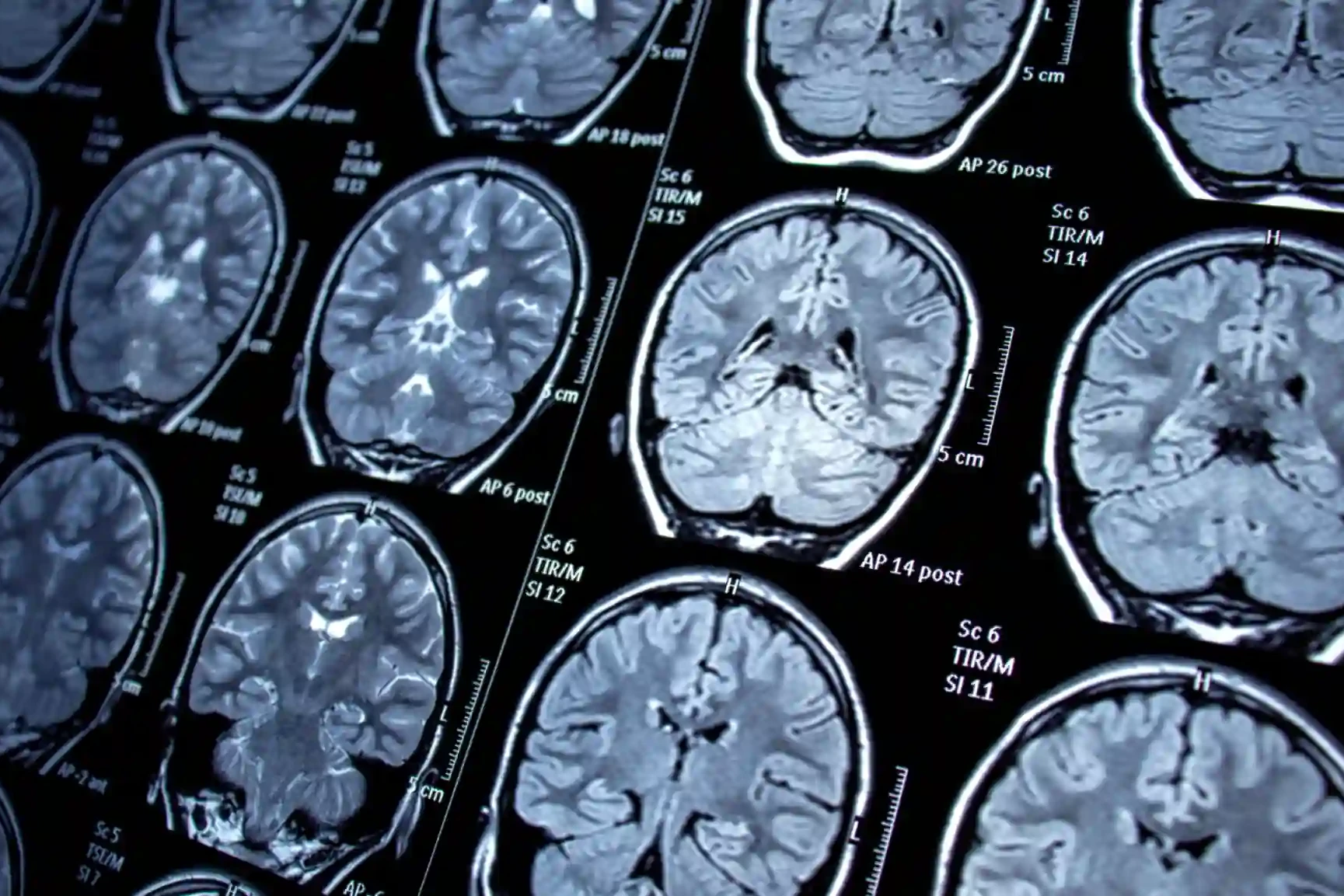
Magnetic resonance imaging (MRI) is the main tool to look at the cerebellum. It can show strokes, tumors, multiple sclerosis lesions, shrinkage of cerebellar tissue, and other structural changes linked to dysmetria . In emergencies, a CT scan may come first to rule out bleeding, but an MRI gives better detail of soft tissue and small lesions. Imaging also helps track disease over time if your symptoms change.
Blood Tests For Metabolic Or Autoimmune Causes
Blood tests can point to treatable causes of dysmetria . Doctors may look for vitamin levels, thyroid and liver function, infections, and antibodies related to autoimmune or paraneoplastic cerebellar disease.
In some cases, spinal fluid tests or genetic tests are added. For several rare causes, published evidence is still limited, so test panels often follow expert guidelines and may change as research grows.
Dysmetria Treatment Options
There is no single pill that fixes dysmetria . Instead, your care plan combines treating the root problem and helping your nervous system adapt. These are the main treatment options for dysmetria described in current guidelines and reviews.
Treating Underlying Neurological Disease
If dysmetria comes from stroke, doctors focus on acute stroke care and strict control of blood pressure, blood sugar, and clotting risks. If it comes from multiple sclerosis, they may use disease-modifying drugs and short steroid courses in flares. For autoimmune or infectious causes, treatment can include immunosuppressing drugs, plasma exchange, or targeted antibiotics or antivirals. Dosage and drug choice always depend on age, other illnesses, and detailed exam findings.
Physical Therapy For Motor Control
Physical therapy aims to improve how you stand, walk, and reach. Therapists use balance tasks, guided stepping, and repeated goal-directed moves to train your brain to use remaining pathways more efficiently. Studies in cerebellar ataxia show that regular, intensive physical therapy can improve walking speed, stability, and coordination, even when structural damage remains.
Occupational Therapy For Fine Motor Skills
Occupational therapists help you manage daily tasks such as dressing, eating, writing, and using tools. For dysmetria , they may suggest thicker pens, weighted utensils, or clothes with zippers instead of tiny buttons. Recent ataxia rehabilitation papers describe how these practical changes reduce fatigue and improve independence, although exact results vary from person to person.
Balance And Coordination Rehabilitation Exercises
Balance training is central to treatment options for dysmetria that affects gait. You may practice standing on different surfaces, turning, stepping over objects, and shifting weight while supported. Research shows that structured balance programs in ataxia reduce falls and improve confidence, but ongoing practice is needed to keep gains.
Medications For Associated Conditions
No medicine directly erases symptoms of dysmetria . Some drugs can ease tremor, stiffness, or mood symptoms that add to movement problems, but benefits are often modest. In degenerative ataxias, experimental approaches such as brain stimulation are being studied, and early results are mixed, so they are not standard care yet.
Long-Term Management And Monitoring
Most people with ongoing dysmetria need regular follow-up. Your care team may repeat imaging if new signs of cerebellar dysfunction appear or if your walking worsens. They also review home safety, work tasks, and mental health, since long-term movement problems often affect mood and social life. Long-term data are still limited for many rare causes, so care plans may change as new studies come out.
Living With Dysmetria
Assistive Devices For Movement Stability
Canes, walkers, and grab bars are important tools when balance and dysmetria raise fall risk. For hand control, you may use weighted cups, non-slip mats, and adapted cutlery. Rehab guidelines and patient groups report that these tools can cut injuries and help you keep doing daily tasks on your own.
Adaptive Strategies For Daily Activities
You can change how you do tasks to work around dysmetria . Sitting while dressing, breaking jobs into short steps, and placing key objects at mid-chest height can all help. Many people also benefit from planning “high focus” tasks, like chopping food or writing, for times of day when they feel most rested.
When Symptoms Indicate Progression
You should seek prompt care if you notice sudden new symptoms of dysmetria , fast-worsening balance, severe headache, new double vision, or new trouble speaking. These changes can signal stroke, bleeding, or an acute MS flare, which needs urgent treatment. Gradual change over months can still matter and should be shared at regular visits.
FAQs
Can Dysmetria Go Away With Treatment?
In some people, especially when inflammation, infection, or a reversible metabolic issue is treated early, dysmetria can improve partly or even a lot. In long-standing degeneration, it usually improves less, but therapy still helps function.
Is Dysmetria Always Caused By Cerebellar Damage?
Most cases involve the cerebellum or its pathways, which is why signs of cerebellar dysfunction often appear together. Less often, severe loss of position sense or complex brain network problems can look similar, so careful testing is important.
Can Physical Therapy Improve Dysmetria Symptoms?
Yes. Studies in ataxia show that targeted physical therapy programs improve balance, walking, and limb control, even when dysmetria remains. Gains depend on cause, severity, and how often you practice between sessions.
Is Dysmetria A Sign Of Multiple Sclerosis?
It can be. When MS lesions involve the cerebellum or brainstem, you may develop symptoms of dysmetria , nystagmus, and gait ataxia. Not every person with MS has these problems, but their presence helps map disease burden.
What Tests Confirm Dysmetria?
Doctors confirm dysmetria mainly by clinical tests like finger-to-nose and heel-to-shin, plus a full neurological exam. MRI and blood tests are then used to look for structural damage and treatable causes of dysmetria linked to those signs.
What Is The Prognosis For Dysmetria?
The outlook depends more on the underlying disease than on dysmetria itself. Stroke, MS, infection, or genetic ataxia each follow different paths, so your neurologist is the best person to discuss long-term expectations.
How Is Dysmetria Related To Cerebellar Coordination?
The cerebellum sets movement range and timing. When this system fails, you see dysmetria along with other signs of cerebellar dysfunction , such as intention tremor, nystagmus, and wide-based gait, especially on coordination testing.
What Is The Difference Between Dysmetria And Ataxia?
Ataxia is a broad term for poor coordination of gait, posture, limbs, and speech. Dysmetria is one specific feature where targeted movements overshoot or undershoot. Many cerebellar disorders show both at the same time.
About The Author

Medically reviewed by Dr. Chandril Chugh, MD, DM (Neurology)
Dr. Chandril Chugh is a U.S.-trained, board-certified neurologist with expertise in diagnosing and managing neurological disorders, including migraines, epilepsy, Parkinson’s disease, and movement disorders. His clinical focus includes evidence-based neurological care and patient education.
All content is reviewed for medical accuracy and aligned with current neurological guidelines.