Sleep apnea is a nighttime breathing disorder where airflow stops or becomes very shallow many times during the night. These pauses lower oxygen, disrupt deep sleep, and raise risks for heart disease, stroke, memory problems, and daytime fatigue.
You may need home remedies for sleep apnea, such as weight control, side-sleeping, throat-strengthening exercises, allergy management, anti-inflammatory eating, and tools like oral appliances or nasal dilators. These methods do not replace medical care, but research shows they can reduce symptoms and make sleep safer when used correctly.
What Is Sleep Apnea?
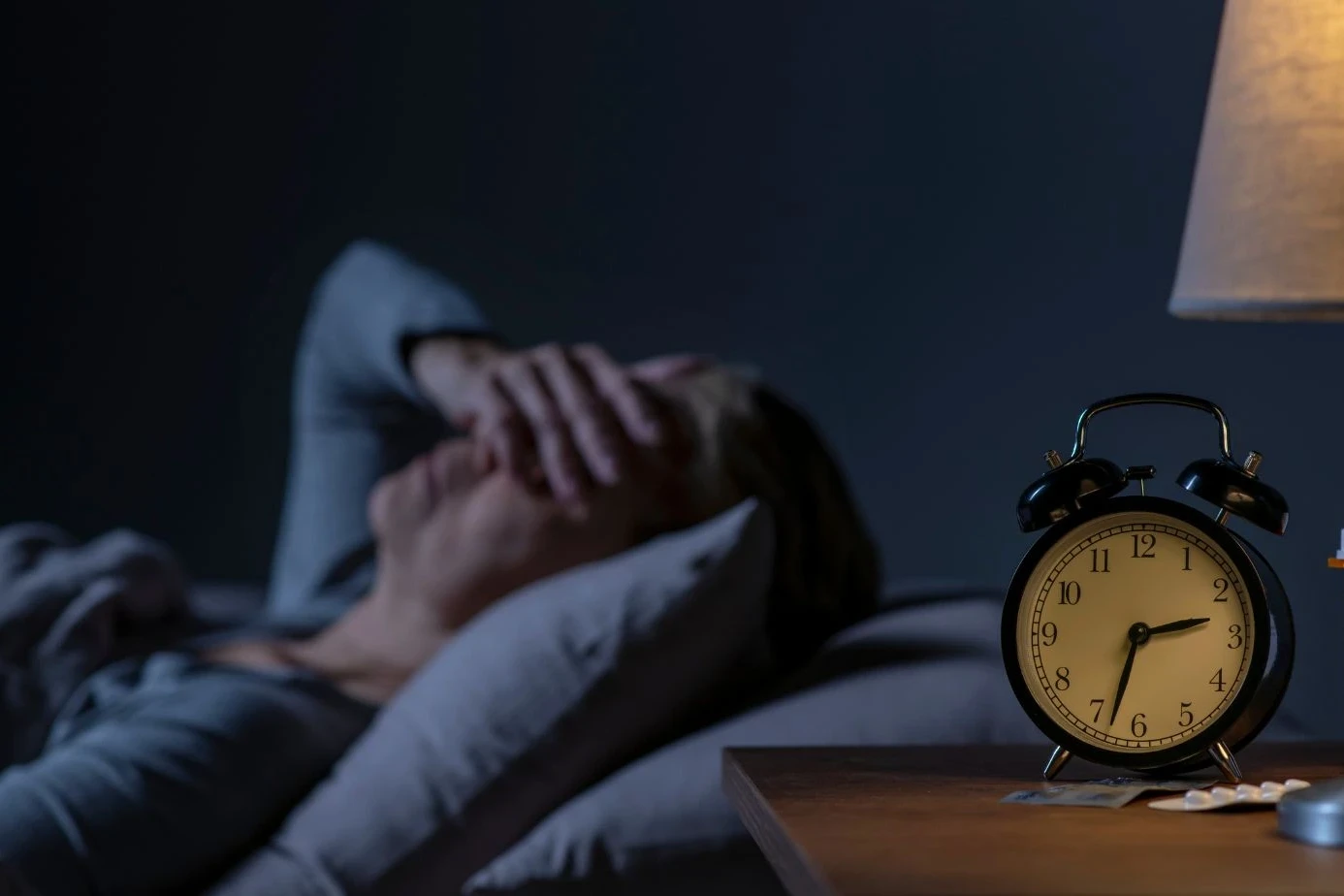
Sleep apnea is a sleep disorder where your breathing stops or becomes very shallow many times during the night. Each pause usually lasts at least ten seconds. Your brain senses the drop in oxygen and wakes you just enough to restart breathing. You may not remember waking, but your sleep becomes broken and unrefreshing.
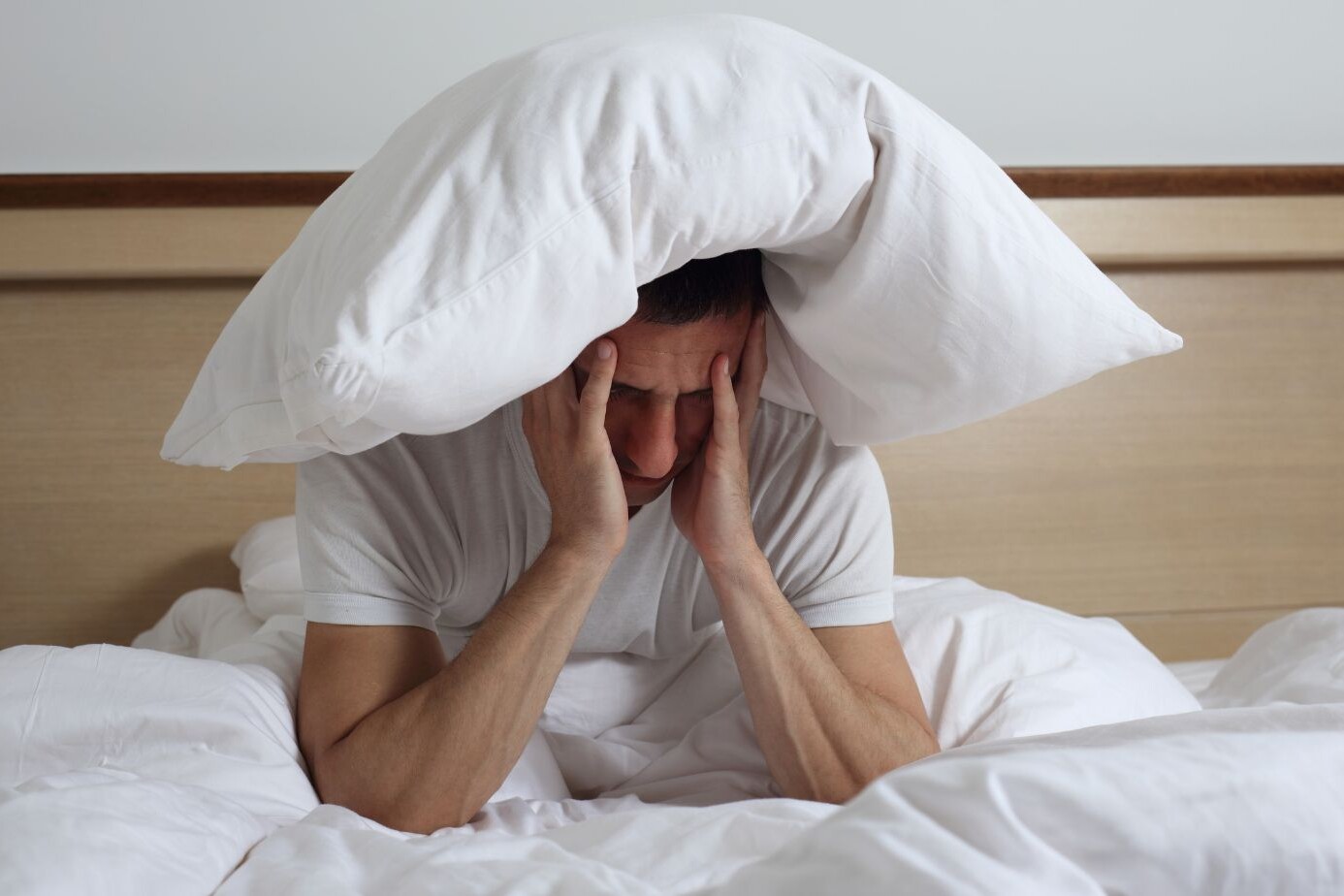
Common signs include loud snoring, gasping in sleep, dry mouth, morning headaches, and strong daytime sleepiness. Medical groups like Mayo Clinic and Johns Hopkins warn that untreated sleep apnea can double the risk of stroke and increase the risk of heart attacks and traffic accidents.
Because of these risks, home remedies for sleep apnea should support, not replace, proper diagnosis and medical treatment.
How Airway Obstruction Disrupts Breathingmorning headaches
In the most common form, obstructive sleep apnea, the problem is a blocked upper airway. The upper airway is the space behind your nose and mouth which air passes to reach your lungs.
When you fall asleep, the muscles in the back of your throat relax. In some people, the soft palate (soft part of the roof of the mouth), the tongue, and nearby tissues sag toward the back of the throat. This narrows or closes the airway.
You still try to breathe, but air cannot move freely. Oxygen levels in the blood drop, and carbon dioxide rises. Sensors in the brain detect this and trigger a brief awakening. Muscles tighten, the airway opens, and you take a deeper breath, often with a snort or gasp.
This cycle can repeat dozens of times each hour. You may think you slept all night, yet you wake up exhausted. Many home remedies for sleep apnea try to keep this airway from collapsing, for example, by changing sleep position or reducing neck fat.
Types Of Sleep Apnea (OSA, CSA, Mixed)
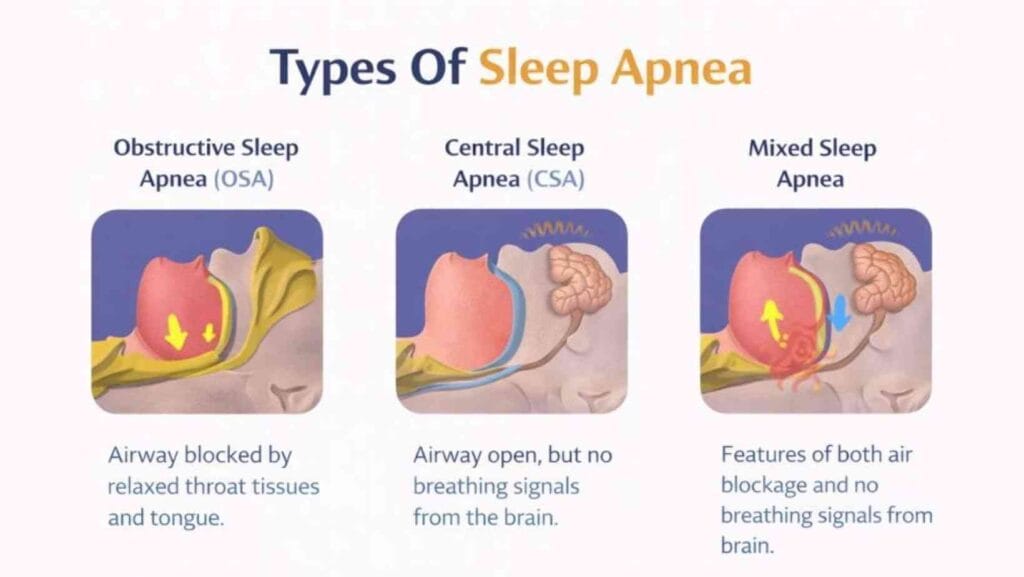
Experts usually describe three main types.
- Obstructive sleep apnea (OSA) happens when the airway is physically blocked, most often by relaxed throat tissues and tongue. Almost all home remedies for sleep apnea and most natural remedies for sleep apnea focus on this type.
- Central sleep apnea (CSA) is different. Here, the brain does not send steady signals to the breathing muscles. The airway itself may be open, but breathing effort drops or stops. This type needs close medical care and often has links with heart or brain conditions.
- Mixed or complex sleep apnea includes both obstructive and central features in the same person.
If you have CSA or mixed apnea, you should not rely on sleep apnea natural treatment alone. You still may use gentle lifestyle changes, but only under medical supervision.
Natural Remedies For Sleep Apnea
You can use home remedies for sleep apnea alongside CPAP, oral devices, or other medical treatments. Major guidelines stress that lifestyle changes, especially weight management, often reduce the severity of OSA, though results are not the same for everyone.
Weight Management And Reducing Neck Fat
Extra fat around the neck and upper body makes the airway narrower and more likely to collapse during sleep. Research shows that losing even five to ten percent of body weight can lower the apnea hypopnea index (AHI, a measure of how often breathing stops or becomes shallow).
You can start with clear steps:
- Swap sugary drinks for water.
- Fill half your plate with vegetables and fruits.
- Choose whole grains and lean proteins.
- Avoid very heavy late meals.
Doctors and dietitians report that structured weight programs often reduce OSA severity and, in some obese adults, can even make CPAP unnecessary, although this is not guaranteed.
When your overall weight drops, neck fat usually decreases. That reduces pressure on the airway. This is one of the strongest home remedies for sleep apnea and a key part of sleep apnea natural treatment in medical guidelines.
Anti-Inflammatory Diet To Reduce Airway Swelling
Swelling and irritation inside the nose and throat make the airway tighter. An anti-inflammatory eating style can support the lining of the airway and the blood vessels.
Health groups and large studies on heart and metabolic health favor patterns like the Mediterranean-style diet, rich in vegetables, fruits, whole grains, legumes, nuts, olive oil, and fish.
For you, this means:
- Eat colorful plant foods most days.
- Use olive oil instead of deep frying.
- Limit processed meat, refined white flour, and sugary snacks.
This type of plan will not replace CPAP or oral devices, but it supports natural remedies for sleep apnea and may reduce inflammation that narrows the airway. It can also help with weight control, which further supports home remedies for sleep apnea .
Herbal Options (Valerian, Chamomile, Magnesium)
Valerian and chamomile have some evidence for mild insomnia, but high-quality trials do not show that they fix airway blockage. Magnesium helps many body functions and may relax muscles. However, studies to prove that these options reduce apnea events are limited.
If you want to use these with home remedies for sleep apnea :
- Think of them as sleep comfort tools, not as a cure.
- Check with your doctor about safety and medicine interactions.
- Remember that dosage varies by age, kidney function, and other health issues.
Strong sedative herbs or over-the-counter sleep pills can relax throat muscles too much and may worsen OSA, so medical advice is essential.
Addressing Allergies To Improve Nighttime Breathing
Nasal allergies cause stuffy nose, runny nose, and post-nasal drip. When your nose is blocked, you tend to sleep with your mouth open. Mouth breathing dries the throat and makes snoring and obstruction more likely.
Simple home remedies for sleep apnea linked to allergy control include:
- Saline nasal rinses, if your doctor agrees.
- Washing bedding in hot water each week.
- Using dust mite covers on pillows and mattresses.
- Keeping pets out of the bedroom if you react to dander.
Doctors may also suggest nasal steroid sprays or antihistamines to reduce swelling inside the nose. These measures do not replace CPAP, but they support natural sleep apnea treatment by keeping airflow smoother at night and helping you breathe more through your nose.
How To Treat Sleep Apnea At Home
You can use home remedies for sleep apnea to support medical treatment and make sleep safer. They are not a cure for everyone, but they help your airway work with less strain. When you treat sleep apnea at home , you focus on simple habits you can repeat every night.
Side-Sleeping Instead Of Back-Sleeping
When you sleep on your back, gravity pulls your tongue and soft palate toward the throat. The airway becomes narrow and easier to block. Sleeping on your side reduces this collapse and can lower snoring and breathing pauses in many people with mild obstructive sleep apnea.
You can train yourself to stay on your side by hugging a body pillow, using a wedge pillow, or wearing a simple backpack-style cushion that makes back-sleeping uncomfortable. This is one of the most direct home remedies for sleep apnea , because it changes your body position at the exact time when your airway is weak.
Using Humidifiers For Airway Moisture
Dry air irritates the nose and throat. When the lining gets dry, it becomes swollen and produces thicker mucus. A cool mist humidifier adds moisture to your bedroom air and may reduce throat dryness and morning irritation.
The device must be cleaned often to prevent mold and bacteria. A humidifier does not stop apnea events on its own, yet it supports home remedies for sleep apnea by making nasal breathing more comfortable and by reducing nighttime coughing in some people.
Oral Appliances (Mandibular Advancement Devices)
Oral appliances fit over your teeth like a sports mouthguard. Mandibular advancement devices move the lower jaw a little forward. This pulls the tongue base forward and increases space behind the tongue.
Sleep dentists use these devices for mild to moderate obstructive sleep apnea, especially when CPAP is hard to use. Studies show that custom devices can reduce the number of breathing pauses and improve daytime sleepiness in many patients.
Results are not equal for all people, so follow up sleep testing is important. These devices work best as part of home remedies for sleep apnea that also include a healthy weight and side-sleeping.
Limiting Alcohol, Smoking And Sedatives
Alcohol relaxes muscles in the throat and makes the airway collapse more easily. It can also deepen sleep in the first part of the night, so your brain reacts slower to low oxygen. Sedatives, including some sleeping pills, can have similar effects.
Smoking irritates the airway lining. Over time, it increases swelling and mucus, which narrows the breathing tube even when you are awake. Reducing or quitting smoking, avoiding late evening alcohol, and reviewing sedating medicines with your doctor are powerful home remedies for sleep apnea that protect your airway and your heart.
Adjusting Bedroom Environment
Your bedroom should help your breathing instead of fighting it. A slightly cool room temperature, a quiet setting, and very low light help your brain move into deep sleep. A supportive pillow that keeps your neck in a neutral line can reduce snoring.
Some people feel better when they raise the head of the bed by placing blocks under the bed legs or using a wedge cushion. This angle helps reduce acid reflux and can ease pressure on the upper airway. When you combine these steps with other home remedies for sleep apnea , you give your body a better chance to rest and repair at night.
Breathing Exercises For Sleep Apnea
Breathing exercises for sleep apnea aim to strengthen the diaphragm, improve nose breathing, and train the muscles around the tongue and throat. Research is still growing, and results differ between people, so you should see them as support rather than as a standalone cure.
Diaphragmatic Breathing
The diaphragm is the main breathing muscle that sits under your lungs. Diaphragmatic breathing means you use this muscle more and the chest muscles less. You lie on your back with knees bent, place one hand on your chest and one on your belly, and breathe in through your nose so your belly rises more than your chest.
Slow breathing out through the nose or through lips gently pressed together helps you relax. Practicing this a few minutes each day can reduce anxiety and may support other breathing exercises for sleep apnea by giving you better control of your breath pattern.
Buteyko Breathing Method
The Buteyko method teaches quieter nasal breathing and short, gentle breath holds. Supporters say it reduces overbreathing and improves carbon dioxide levels. Research in asthma and anxiety is more developed than in sleep apnea, and experts still consider the evidence for apnea limited.
If you try it, start only with simple nose breathing and short, comfortable holds under the guidance of a trained teacher or doctor. You should stop if you feel dizzy or uncomfortable.
Pranayama Yoga Techniques
Pranayama is the breathing part of yoga. Simple forms, such as slow nose breathing with longer exhale, can calm the nervous system. Alternate nostril breathing trains focus and steady rhythm.
These practices can sit inside home remedies for sleep apnea as stress control tools. They support weight loss efforts and healthy routines, which indirectly improve sleep apnea, but they do not replace medical treatment.
Orofacial (Myofunctional) Exercises
Orofacial or myofunctional therapy trains the tongue, lips, and muscles of the soft palate. Examples include pressing the tongue to the roof of the mouth, holding it, and repeating many times, or practicing strong vowel sounds.
Clinical studies report that these exercises can reduce snoring and lower apnea severity in some adults, especially those with mild disease who practice daily for several months. A therapist guides you so that the exercises are safe for your jaw and bite. As part of home remedies for sleep apnea , this method targets the root cause, which is weak airway support.
Sleep Apnea Natural Treatment
When people talk about sleep apnea natural treatment , they usually mean long-term lifestyle strategies that support medical care. You focus on weight, muscle tone, breathing path, and sleep routine. These steps need time, but they also improve heart and metabolic health.
Weight Reduction Strategies
Steady weight reduction is one of the most proven tools. You can combine smaller portions, healthier food choices, and regular physical activity that fits your health status. Many clinics use walking, light strength training, and food tracking to support patients with obstructive sleep apnea.
Losing weight this way works together with other home remedies for sleep apnea and can make CPAP more comfortable by allowing lower pressure settings in some people.
Anti-Snoring Tools And Nasal Dilators
Anti-snoring mouthpieces, nasal strips, and internal nasal dilators keep the nose and sometimes the soft palate more open. They are easy to try and can reduce noise and mild airflow problems.
These devices cannot treat moderate or severe sleep apnea on their own. However, when combined with side-sleeping and weight control, they may be a helpful piece of natural sleep apnea treatment for people with milder disease.
Upper Airway Strengthening Therapy
Upper airway strengthening includes singing drills, wind instrument practice, and formal myofunctional therapy. One well-known study on didgeridoo practice showed fewer apnea events and less daytime sleepiness in people who practiced often.
You can ask your sleep team about referral to a speech therapist or myofunctional therapist. Regular practice is important, since these muscles weaken again if you stop.
Treating Acid Reflux-Related Obstruction
Acid reflux, also called gastroesophageal reflux disease, sends stomach acid upward into the esophagus and sometimes toward the throat. This can irritate and swell the tissues that make up your upper airway.
You can reduce reflux by avoiding large late meals, spicy food at night, and by raising the head of your bed. Your doctor may suggest medicine that lowers stomach acid. When reflux is controlled, other home remedies for sleep apnea often work better because the throat is less inflamed.
Improving Sleep Hygiene Habits
Good sleep hygiene means having a clear, steady routine that tells your body when it is time to rest. Going to bed and waking at the same time every day, keeping screens out of the last hour before sleep, and using the bed only for sleep and sex all support deeper rest.
These habits will not cure sleep apnea, yet they reduce extra insomnia and help you feel the full benefit of your treatment plan and other home remedies for sleep apnea .
Sleep Apnea Remedies Without CPAP
Some people feel they cannot use CPAP every night because of discomfort, air leaks, or skin issues. In such cases, doctors may suggest other tools. Sleep apnea remedies without CPAP should still be supervised by a sleep specialist, because untreated apnea is dangerous.
Mandibular Advancement Devices
Mandibular advancement devices are a main option among sleep apnea remedies without CPAP . They are small, portable, and easier to travel with than a CPAP machine. They work best in people with mild to moderate obstructive sleep apnea and in those whose jaw structure allows forward movement without pain.
Positional Therapy Tools
Positional therapy devices are worn on the chest, neck, or waist. They sense when you roll onto your back and give a gentle vibration that encourages you to return to your side. This method is most helpful if your apnea is clearly worse when you lie on your back.
Nasal Strips And Mouth Taping
Nasal strips open the sides of the nose. They can reduce snoring in people with nasal blockage. Mouth taping tries to force nose breathing by keeping the lips closed. This can be risky if your nose is blocked or if you have severe apnea. You must talk with your doctor before using tape at night.
Didgeridoo Therapy
Playing the didgeridoo needs strong, steady blowing and special breath control called circular breathing. Studies show that regular practice can tighten muscles around the airway and may reduce apnea intensity in some patients. It should be used as one part of a whole plan, not as your only treatment.
Home Sleep Monitoring Tools
Home monitors track snoring sounds, oxygen levels, and movement. They can show trends and help you see how home remedies for sleep apnea change your nights over time. These tools cannot replace a full sleep study, but they can support follow-up with your doctor and help fine-tune sleep apnea remedies without CPAP so your treatment stays safe.
Risks Of Untreated Sleep Apnea
Cardiovascular Strain
When sleep apnea is not treated, your heart works harder every night. Each pause in breathing lowers oxygen. Your body reacts with a stress response that raises blood pressure. Over time, this constant strain can push you toward high blood pressure, irregular heartbeat, and a higher chance of heart attack.
Doctors warn that repeated drops in oxygen make blood vessels stiff and less able to handle normal pressure changes. This is why using home remedies for sleep apnea along with medical care protects your heart and your long-term health.
Daytime Cognitive Impairment
Poor sleep affects the way you think. Untreated sleep apnea often brings slow thinking, foggy memory, weak focus, and irritability. You may feel like you slept all night, but your brain never reached the deep stages it needs for learning and memory.
When your brain wakes up again and again during the night, even for a second, the result is daytime fatigue that affects your school, work, and mood. Using home remedies for sleep apnea helps improve daytime function, but full medical care is still important.
Increased Accident Risk
Sleep apnea makes it easier to fall asleep during the day, even during tasks that need attention. People with untreated apnea have a higher risk of car accidents, work injuries, and slow reaction time.
The danger comes from micro-sleeps, which are tiny sleep moments that happen before you even notice. When you treat sleep apnea at home and follow a full plan from your doctor, you lower these risks and keep yourself and others safe.
When To See A Doctor
Warning Signs Of Worsening Symptoms
Some signs show your sleep apnea may be getting worse. These include loud snoring most nights, gasping in sleep, choking episodes, morning headaches, and strong daytime sleepiness.
You may also feel short of breath at night or wake with a racing heartbeat. If these signs increase even after trying home remedies for sleep apnea , you should call your doctor soon.
When Home Remedies Are Not Enough
Natural remedies for sleep apnea help many people feel better, but sometimes your symptoms stay strong. If you still feel tired after a full night in bed, if your partner hears long pauses in breathing, or if your mood and focus get worse, home steps alone are not enough. A sleep specialist can check whether you need CPAP, an oral device, or another form of natural sleep apnea treatment that fits your condition.
When Diagnostic Sleep Testing Is Needed
A sleep test is needed when symptoms suggest moderate or severe apnea. Testing checks your oxygen level, breathing pattern, and how often sleep is disturbed. Your doctor may order a home sleep test or an overnight sleep lab study.
These tests guide treatment choices, including sleep apnea remedies without CPAP , and show how serious the condition is. Getting the right diagnosis prevents long-term complications that come from untreated apnea.
FAQs
Can Sleep Apnea Be Cured Naturally?
Most people cannot fully cure sleep apnea with natural steps alone. Some people with mild apnea improve a lot when they use home remedies for sleep apnea plus lifestyle changes, but medical care is still needed to stay safe.
Which Natural Remedy Works Fastest?
Side sleeping and avoiding night alcohol often help the quickest. These simple steps reduce airway collapse and can improve snoring within days. Other natural remedies for sleep apnea take longer and need steady practice.
Does Magnesium Help Sleep Apnea?
Magnesium may help muscles relax and improve sleep comfort, but it does not fix airway blockage. It can be part of sleep apnea natural treatment , yet you should talk with your doctor before using supplements.
Can Yoga Fully Treat Sleep Apnea?
Yoga helps breathing control and reduces stress, but it cannot correct a blocked airway by itself. It works best when added to breathing exercises for sleep apnea and other treatments recommended by your doctor.
Can Weight Loss Reduce Sleep Apnea Severity?
Weight loss lowers pressure on the throat and can reduce how often the airway collapses. Many people feel real improvement when weight is managed. It remains a strong part of home remedies for sleep apnea that support long-term results.
How Does Reducing Neck Fat Improve Airway Function?
Extra neck fat narrows the space around the airway. When this fat decreases, the airway becomes more stable during sleep. This is why weight control is often included in sleep apnea natural treatment .
Does An Anti-Inflammatory Diet Help Reduce Airway Swelling?
Yes, it may help. This eating style reduces swelling inside the nose and throat, which can make breathing smoother at night. It supports other home remedies for sleep apnea but does not replace medical care.
Which Herbal Remedies May Support Better Breathing At Night?
Chamomile, magnesium, and valerian may calm the body and help you fall asleep. They do not treat the airway problem directly, so they are only gentle natural remedies for sleep apnea when used safely.
How Do Allergies Contribute To Sleep Apnea Symptoms?
Allergies block the nose and force mouth breathing, which makes the airway collapse easier. Treating allergies helps reduce swelling and supports all sleep apnea remedies without CPAP and medical therapies.
About The Author

Medically reviewed by Dr. Chandril Chugh, MD, DM (Neurology)
Dr. Chandril Chugh is a U.S.-trained, board-certified neurologist with expertise in diagnosing and managing neurological disorders, including migraines, epilepsy, Parkinson’s disease, and movement disorders. His clinical focus includes evidence-based neurological care and patient education.
All content is reviewed for medical accuracy and aligned with current neurological guidelines.