Tourette syndrome is a neurological condition that affects how your brain controls movement and sound. It causes repeated movements or sounds called tics. You may stop them for a short time, but they return. Tourette syndrome usually begins in childhood and can last for many years. Some people have mild signs, while others face daily challenges. The condition is real, medical, and often misunderstood.
Doctors classify Tourette syndrome as a neurodevelopmental disorder; that means it begins while the brain is still growing. Brain signaling problems affect movement control in people with this condition. These brain changes are not caused by poor parenting or behavior issues.
Tourette Syndrome Symptoms
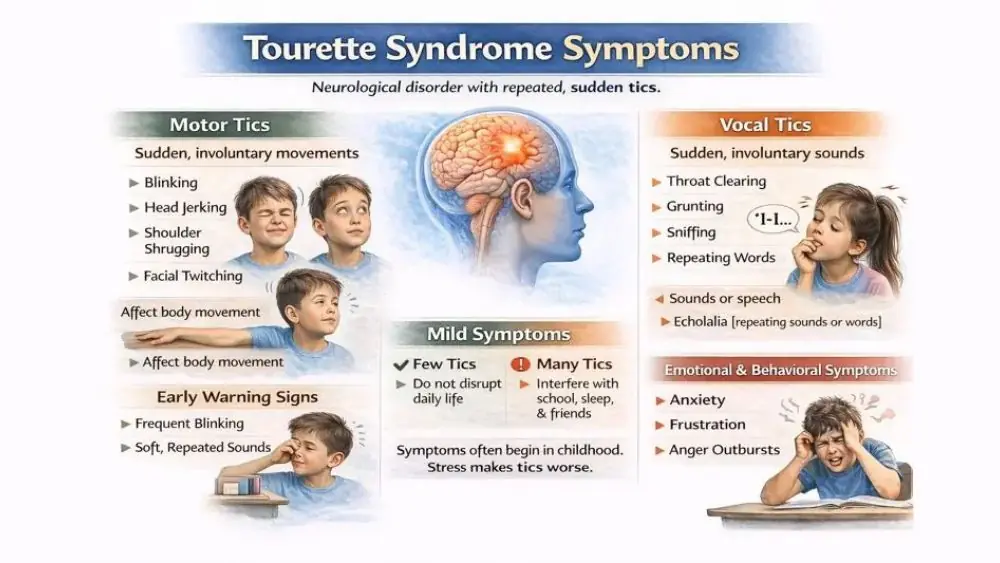
The symptoms of Tourette syndrome involve tics that often repeat. A tic is a sudden movement or sound that happens without planning. You may feel a strong urge before a tic. This urge feels like pressure inside your body. Doing the tic brings short relief. Stress, illness, or excitement can make tics stronger.
Motor Tics Explained
Motor tics affect body movement. These tics often appear first. Common motor tics include blinking, eye rolling, head jerking, shoulder shrugging, or facial twitching.
Some people stretch their arms or tap objects. These movements happen quickly. They serve no purpose. Motor tics involve abnormal signaling in brain areas that control voluntary movement.
Vocal Tics Explained
Vocal tics affect sounds or speech. These may include throat clearing, coughing, sniffing, grunting, or repeating words. Some people repeat their own words. This is called echolalia [repeating sounds or words]. Only a small number of people shout offensive words. This symptom is rare and often exaggerated in the media.
Early Warning Signs
Early signs often begin between the ages of five and seven. You may notice frequent blinking or soft sounds that repeat. Teachers may think the child is distracted. Parents may think it is a habit. These early signs matter because early support reduces stress and shame.
Mild vs Severe Symptoms
Mild cases involve few tics that do not affect daily life. Severe cases involve many tics that interfere with school, sleep, or social life. Tic severity often changes. Tics often peak during early teenage years and reduce later.
Emotional And Behavioral Symptoms
Many people with Tourette syndrome also have emotional symptoms. These include anxiety, frustration, or anger outbursts. These issues do not cause tics. They often appear together because the same brain circuits are involved. Emotional stress increases tic frequency.
Causes Of Tourette Syndrome
The causes of Tourette syndrome involve both genetics and brain function. Doctors do not blame a single cause. Instead, several factors work together.
Genetic Factors And Inheritance
Genes play a strong role. If someone in your family has tics, your risk increases. Multiple genes affect brain signaling related to movement. Not everyone with these genes develops symptoms.
Brain Chemistry And Dopamine Imbalance
Dopamine is a brain chemical that helps control movement. In Tourette syndrome , dopamine activity becomes irregular. This causes extra movement signals because dopamine pathways fire too often, leading to tics.
Role Of Basal Ganglia Dysfunction
The basal ganglia are a brain region that filters movements. When it does not work properly, unwanted movements pass through. This dysfunction explains why tics happen suddenly and repeatedly.
Environmental And Prenatal Risk Factors
Some risks appear before birth. These include maternal smoking, low birth weight, or pregnancy complications. These factors increase risk but do not cause the condition alone.
Tourette Syndrome In Children
Tourette syndrome in children often brings confusion and fear. Children do not understand why their bodies move or make sounds without control. Adults play a key role in support.
Typical Age Of Onset
Most children show symptoms before age ten. Boys receive diagnoses more often than girls. Researchers believe hormonal and genetic factors explain this difference.
Early Symptoms In Children
Early symptoms include eye blinking, facial movements, and throat sounds. These tics change over time. Some disappear, or new ones may appear. This pattern is normal.
School And Learning Challenges
Tics can disrupt focus. Children may receive punishment for behaviors they cannot control. Classroom stress increases tic severity; however, support plans improve learning outcomes.
Social And Emotional Impact
Children may feel embarrassed. Peer teasing is common. This leads to low confidence. Emotional support reduces long-term harm.
When Parents Should Consult A Doctor
Parents should seek medical advice if tics last more than one year or interfere with daily life. Early diagnosis helps families understand the condition.
Tourette Syndrome In Adults
Tourette syndrome in adults often looks different from that in children. Many adults learn ways to manage symptoms.
Persistence Of Tics Into Adulthood
Some adults see tics fade. Others continue to have them. Vocal tics often reduce more than motor tics with age.
Changes In Tic Severity Over Time
Tics often peak during teenage years. Many adults report improvement by their late twenties. Stressful life events may trigger flare-ups.
Impact On Work And Relationships
Workplace stress can increase tics. Some adults hide symptoms. This causes exhaustion. Honest communication often improves understanding.
Mental Health Concerns In Adults
Anxiety and depression appear often in adults with Tourette syndrome . Treating mental health conditions improves overall quality of life.
Tourette Syndrome Treatment
Treatment for Tourette syndrome depends on how much the symptoms affect your daily life. Many people with Tourette syndrome do not need treatment at all. Doctors focus on reducing problems, not removing every tic.
When Treatment Is Required
Doctors suggest treatment only when tics cause pain, injury, emotional distress, or major problems at school or work. Mild tics that do not interfere with daily tasks usually do not need treatment. Unnecessary treatment can cause more harm than benefit.
Behavioral Therapy (CBIT, Habit Reversal)
Behavior therapy is often the first choice. CBIT stands for Comprehensive Behavioral Intervention for Tics. It teaches you to notice early tic urges and respond with a competing action.
For example, if you feel a neck tic coming, you may tense nearby muscles in a controlled way. CBIT can reduce tic frequency without medication risks.
Medications For Tourette Syndrome
Doctors may prescribe medication when therapy alone does not help. These medicines target dopamine activity in the brain. Doctors usually prescribe alpha-agonists or dopamine blockers. Dosage varies by age, weight, and symptoms. Medications reduce tic intensity but do not cure Tourette syndrome .
Side Effects And Treatment Limitations
All medicines have side effects. Some cause tiredness, weight gain, or low blood pressure. Because of this, doctors start with the lowest effective dose. Long-term use requires regular follow-up.
Advanced Treatment Options
Deep-brain stimulation is an option for severe adult cases. Surgeons place electrodes in specific brain areas. This treatment remains rare and reserved for disabling symptoms only. Evidence is limited, and doctors use it cautiously.
Conditions Associated With Tourette Syndrome
Many people with Tourette syndrome also have other conditions. These conditions affect treatment plans and daily life.
ADHD And Tourette Syndrome
ADHD affects attention and impulse control. It appears in many people with Tourette syndrome . Treating ADHD often improves school and work performance, even if tics remain.
OCD And Tourette Syndrome
OCD causes repeated thoughts and behaviors driven by anxiety. Unlike tics, OCD actions aim to reduce fear. Both conditions involve similar brain circuits but require different treatments.
Anxiety Disorders
Anxiety increases tic frequency. Stress activates brain pathways linked to tics. Therapy for anxiety often reduces overall symptom burden.
Learning Difficulties
Some people struggle with reading, writing, or math. These problems do not reflect intelligence. Support plans improve learning outcomes.
Sleep Disturbances
Poor sleep worsens tics. Sleep disorders like insomnia appear more often in people with Tourette syndrome . Improving sleep helps symptom control.
Diagnosis Of Tourette Syndrome
Doctors diagnose Tourette syndrome based on clinical history. No single test confirms it.
Diagnostic Criteria
Doctors diagnose when both motor and vocal tics last more than one year and begin before age eighteen. Symptoms must not result from drugs or another medical condition.
Medical History And Symptom Tracking
Doctors review symptom patterns, age of onset, and family history. Keeping a symptom diary helps identify triggers and progression.
Differentiating From Other Tic Disorders
Transient tic disorder lasts less than one year. Chronic tic disorder includes only motor or vocal tics, not both. Accurate diagnosis prevents unnecessary treatment.
Role Of Imaging And Lab Tests
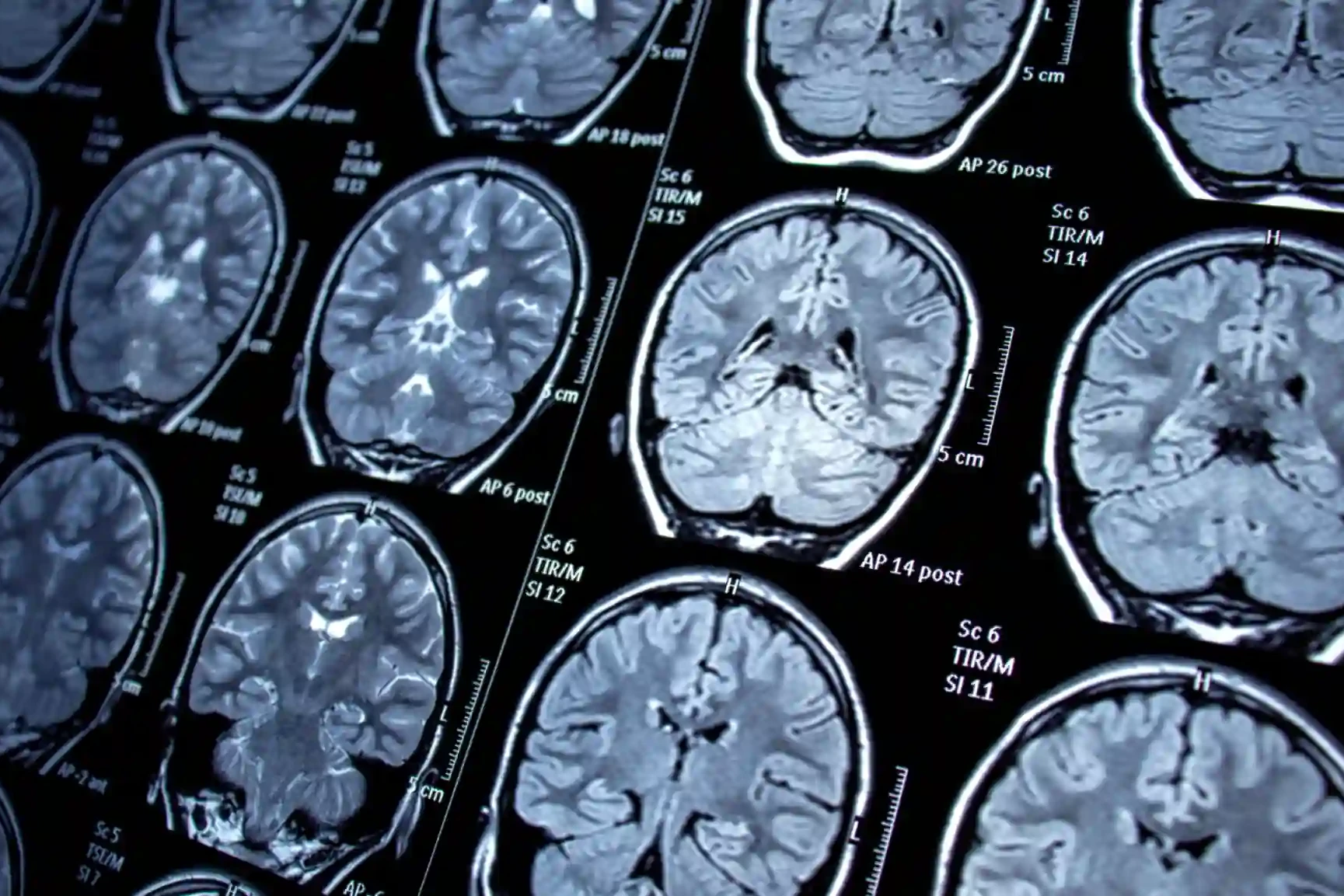
Brain scans rule out seizures or structural problems. They do not diagnose Tourette syndrome . Imaging is used only when symptoms appear unusual.
Living With Tourette Syndrome
Living well with Tourette syndrome depends on understanding, routine, and support.
Daily Coping Strategies
Regular sleep, exercise, and predictable routines reduce tic severity. Suppressing tics for long periods increases stress, so balance matters.
Managing Stress-Related Tic Triggers
Stress, excitement, and fatigue worsen tics. Learning stress control techniques lowers tic frequency. Calm environments help.
School And Workplace Accommodations
Extra test time, quiet rooms, and flexible schedules improve performance. These adjustments do not give an unfair advantage. They level the field.
Family And Caregiver Support
Correcting tics increases shame. Supportive responses reduce emotional harm. Education helps families respond properly.
Long-Term Outlook Of Tourette Syndrome
Most people with Tourette syndrome lead normal, productive lives.
Does Tourette Syndrome Improve With Age?
Yes. Many people see improvement after adolescence. Research from long-term NIH studies confirms that tic severity often declines in adulthood.
Prognosis And Quality Of Life
Quality of life depends more on support than tic severity. Education and mental health care make a major difference.
Factors Influencing Symptom Improvement
Early support, stress management, therapy access, and stable routines influence outcomes more than medication alone.
FAQs
Is Tourette Syndrome Genetic?
Yes. Tourette syndrome often runs in families. Research shows multiple genes affect brain movement control. Having a close relative with tics increases risk, but genetics alone does not decide symptom severity or type.
Can Stress Worsen Symptoms?
Yes. Stress strongly increases the symptoms of Tourette syndrome . Stress raises dopamine activity in the brain, which intensifies tic urges. Reducing stress does not cure tics but often lowers their frequency and strength.
Is Tourette Syndrome A Mental Illness?
No. Tourette syndrome is a neurological condition, not a mental illness. It affects brain circuits that control movement and sound. Intelligence and thinking ability remain normal, though anxiety or ADHD may occur alongside it.
Can Tourette Syndrome Be Cured?
No cure exists at this time. Treatment for Tourette syndrome focuses on managing symptoms and improving daily function. Many people see improvement with age, therapy, and proper support without needing long-term medication.
Are Tics Lifelong?
Not always. Many people experience fewer or milder tics in adulthood. Some adults with Tourette syndrome have no noticeable symptoms later in life, while others continue to have manageable tics under stress.
How Common Is Tourette Syndrome?
Tourette syndrome affects about one percent of children worldwide. Many cases remain undiagnosed because symptoms are mild or misunderstood. Boys are diagnosed more often than girls due to differences in symptom expression.
Is Tourette Syndrome Genetic Or Inherited?
Yes. The causes of Tourette syndrome include inherited genetic traits. However, inheritance does not guarantee symptoms. Environmental factors and brain development influence whether tics appear and how severe they become.
How Does Dopamine Imbalance Affect Tourette Syndrome?
Dopamine helps regulate movement. In Tourette syndrome , dopamine signaling becomes overactive. This causes extra movement signals to pass through the brain, leading to repeated motor and vocal tics without voluntary control.
What Role Does The Basal Ganglia Play In Tourette Syndrome?
The basal ganglia filter unwanted movements. In Tourette syndrome , this filter works poorly. As a result, sudden movements and sounds escape control, producing tics that feel impossible to stop for long.
At What Age Does Tourette Syndrome Usually Start?
Tourette syndrome in children usually begins between the ages of five and ten. Early signs include blinking or throat sounds. Symptoms often peak during adolescence and may improve naturally during adulthood.
About The Author

Medically reviewed by Dr. Chandril Chugh, MD, DM (Neurology)
Dr. Chandril Chugh is a U.S.-trained, board-certified neurologist with expertise in diagnosing and managing neurological disorders, including migraines, epilepsy, Parkinson’s disease, and movement disorders. His clinical focus includes evidence-based neurological care and patient education.
All content is reviewed for medical accuracy and aligned with current neurological guidelines.