Hemiplegia means paralysis or very strong weakness on one side of your body. It usually involves the arm and leg on that side, and sometimes the face. It happens because part of the brain or spinal cord that controls movement gets damaged, not because the muscles themselves are “broken.” Hemiplegia is a serious sign that often appears after stroke or other brain injury, and it needs fast medical attention.
What Is Hemiplegia? (Definition & Overview)
Doctors define hemiplegia as a severe or complete loss of strength on one side of the body. The arm, leg, and often the lower face on that side cannot move normally. In some people, movement is almost absent. In others, there is a tiny amount of motion with very poor control and strong stiffness.
The word comes from Greek: “hemi” means half and “plegia” means paralysis. So hemiplegia literally means paralysis of half of the body. It is a sign or result of another problem, not a disease by itself. When doctors talk with you, they will usually explain both the hemiplegia and the underlying cause, such as stroke, brain injury, or cerebral palsy.
How Hemiplegia Affects The Brain, Nerves, And Movement
To move a finger or take a step, your brain sends signals down a long pathway. Nerve cells in the motor cortex (movement area of the brain) send messages through the brainstem into the spinal cord and then out to the muscles.
In hemiplegia , part of this pathway is damaged. The most common place is the brain on one side. The movement pathways cross in the brainstem. That means:
- Damage in the left brain usually leads to weakness or paralysis on the right side.
- Damage in the right brain usually leads to problems on the left side.
Because the signal cannot travel correctly, muscles on the affected side may feel weak, stiff, or “locked”. You might notice: your arm wants to bend and stay close to your body, your hand curls into a fist, or your leg stays stiff when you try to walk. Over time, if hemiplegia is not treated with good movement and stretching, joints can become fixed in poor positions.
Difference Between Hemiplegia And Hemiparesis
You may hear two similar words: hemiparesis and hemiplegia . Both involve one side of the body, but the severity is different.
- Hemiparesis means mild to moderate weakness on one side. You can move the arm and leg, but strength and control are reduced.
- Hemiplegia means very severe weakness or full paralysis on one side. Movement is extremely limited or absent.
Both problems come from damage to the same movement pathways. A small stroke or mild injury may cause hemiparesis. A larger stroke or more serious injury may cause hemiplegia .
With good treatment, some people who start with hemiplegia slowly improve into hemiparesis as the brain heals and learns new routes for signals. Results vary from person to person, and research shows that recovery depends on stroke size, location, and how quickly treatment starts.
How Hemiplegia Develops After Brain Injury Or Disease
Hemiplegia can appear in different ways, depending on the cause.
- Sudden onset: This is common with stroke. In an ischemic stroke (blocked blood vessel in the brain) or a hemorrhagic stroke (bleeding into the brain), blood flow to part of the brain stops or blood presses on brain tissue. Brain cells begin to die within minutes, and hemiplegia on one side can appear very suddenly.
- Gradual onset: With brain tumors or some infections, symptoms may build over days, weeks, or months. You might first notice clumsiness, mild weakness, or dropping objects from one hand. As the mass or swelling grows, hemiplegia becomes clearer.
- Early life onset: When brain injury happens before, during, or shortly after birth, hemiplegia may not be obvious right away. Parents may later notice that a baby always reaches with one hand or drags one leg when learning to walk. Many of these children are later diagnosed with cerebral palsy that affects one side.
In all these cases, the key point is the same: damage to the movement areas or pathways in the brain or spinal cord interrupts signals and leads to hemiplegia .
Causes Of Hemiplegia
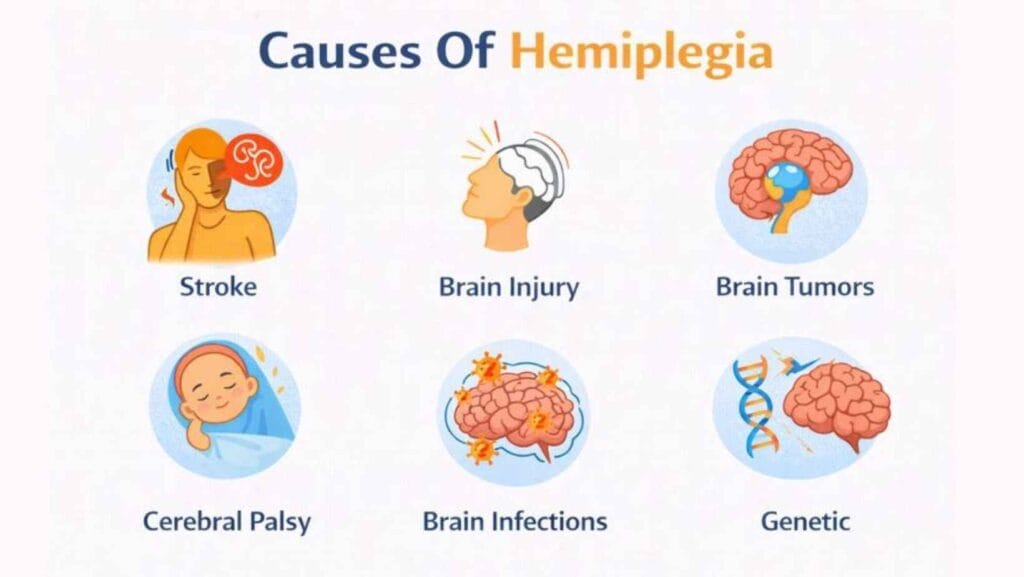
Doctors always look for the causes of hemiplegia , because the best treatment depends on what started the problem. Main causes include stroke, traumatic brain injury, infections, tumors, conditions from birth, and some genetic or neurological disorders.
Stroke (Ischemic & Hemorrhagic)
Stroke is the leading cause of hemiplegia in adults worldwide. In an ischemic stroke, a clot blocks a blood vessel in the brain. In a hemorrhagic stroke, a weak vessel bursts and blood leaks into brain tissue. Both events cut off oxygen and nutrients to brain cells and can damage movement areas within minutes.
Typical signs include sudden symptoms of hemiplegia on one side, trouble speaking, drooping of one side of the face, and sudden trouble seeing. Early treatment in hospital can reduce brain damage, but no method can guarantee full recovery for every person.
Traumatic Brain Injury
A strong hit to the head can bruise the brain, cause bleeding, or make it swell. Car crashes, falls, sports injuries, and violence are common reasons. If the injured area controls movement, hemiplegia can follow.
Sometimes the weakness appears right away. In other cases, swelling builds over several hours and hemiplegia becomes obvious later. Doctors use brain scans, close monitoring, and rehab to manage this.
Brain Infections (Meningitis, Encephalitis)
Meningitis is infection of the covering of the brain and spinal cord. Encephalitis is infection of the brain tissue itself. Viruses, bacteria, or other germs can cause both. These infections lead to swelling, pressure, and sometimes direct damage to nerve cells.
If movement areas are affected, you can develop hemiplegia along with fever, headache, stiff neck, confusion, or seizures. Treatment usually includes strong antibiotics or antiviral drugs in hospital. Some people recover fully, while others live with lasting weakness on one side.
Brain Tumors
Brain tumors, whether cancerous or not, take up space inside the skull. As they grow, they press on nearby brain tissue. A tumor near the motor cortex can slowly cause weakness that may progress to hemiplegia .
You might notice mild clumsiness first, then clearer dragging of a leg or poor control of one hand. Tumor treatment often needs surgery, radiation, or other therapies. Even after successful treatment, hemiplegia can linger if part of the movement area was damaged.
Congenital Causes (Cerebral Palsy)
Some children are born with or develop hemiplegia early in life because of brain injury around the time of birth. This may be due to lack of oxygen, infection, bleeding, or stroke in the baby. Many of these children are later diagnosed with hemiplegic cerebral palsy, where one side of the body is stiff and weak.
Early therapy, good nutrition, and careful follow-up can support better function, but research shows that brain damage from early life injury does not completely reverse. The focus is on helping the child use the stronger side well and train the affected side as much as possible.
Genetic & Neurological Diseases
A small group of people develop hemiplegia because of rare genetic changes or progressive neurological diseases. For example, alternating hemiplegia of childhood is linked to mutations in the ATP1A3 gene and causes repeated attacks of weakness on one or both sides.
Other conditions, such as some forms of multiple sclerosis or vasculitis (inflammation of blood vessels), can also damage movement pathways and result in hemiplegia . In many of these disorders, evidence is still limited, and doctors may rely on case reports and small studies to guide care.
Hemiplegia Symptoms
The symptoms of hemiplegia depend on where and how severe the damage is. They often include changes in movement, sensation, thinking, and speech. Symptoms can be sudden or slow, mild at first or very intense.
Motor Symptoms: Paralysis, Stiffness, Weakness
Motor symptoms are the core of hemiplegia . You may notice: your arm or leg does not move when you try, joints feel stiff, and simple tasks such as lifting a cup or taking a step become hard. Studies show that hemiplegia commonly causes spasticity (increased muscle tone), which makes limbs feel tight and jerky.
Over time, if you do not move the affected side enough, muscles can shorten and joints can freeze. This is one reason doctors push early movement and rehab.
Sensory Symptoms: Numbness, Tingling, Balance Issues
Hemiplegia often comes with sensory changes. You might feel numbness, tingling, burning, or a “pins and needles” feeling on the affected side. Some people lose normal touch or temperature sense. Others feel light touch as painful.
Because the brain also helps you know where your limbs are in space, damage can make you misjudge steps, doorways, or chair height. This increases the risk of falls and injuries.
Cognitive & Speech Changes
If the same brain injury affects language or thinking areas, hemiplegia may appear together with trouble speaking, understanding words, or forming clear sentences. This is called aphasia. You may also notice problems with attention, planning, or memory.
These changes do not happen in every case, and they vary from mild to severe. Speech and cognitive therapy can help, but progress differs between people.
Facial Asymmetry Or Facial Hemiplegia
In some cases, hemiplegia includes the muscles of the face. One side of the mouth may droop, the eye on that side may not close fully, and your smile can look uneven. Eating, drinking, and speaking may become harder because food and liquid leak from the weak side.
Therapists can teach safe swallowing techniques and mouth exercises. In certain situations, extra procedures may help improve appearance and function.
When Symptoms Indicate An Emergency
Some symptoms of hemiplegia are medical emergencies. You should seek urgent care if you or someone near you suddenly has: one-sided weakness or numbness, drooping of one side of the face, trouble speaking or understanding, sudden vision loss, or a very strong headache with confusion. These may be signs of stroke, brain bleed, or serious infection.
Types Of Hemiplegia
Doctors classify hemiplegia to understand how it affects your body and what treatment may help. These descriptions are based on where the injury is, how the muscles behave, and what patterns appear. The types of hemiplegia also guide rehab goals and safety planning.
Left-Sided And Right-Sided Hemiplegia
Left-sided hemiplegia means your left arm and leg are weak or paralyzed due to damage in the right side of your brain. Right-sided hemiplegia happens when the left side of your brain is injured.
According to leading stroke centers, left brain injury can also affect language and reading skills, while right brain injury may impact attention and awareness of space. These patterns help therapists choose the right exercises for each person.
Spinal Hemiplegia
Most cases of hemiplegia come from brain injury, but in rare situations, one side of the spinal cord gets damaged more than the other. This can happen after a crash, fall, tumor, or spinal infection.
Because the spinal cord carries signals from the brain to the limbs, damage on one side can disrupt messages to the same side of the body. This form of hemiplegia is less common, and recovery depends on how quickly doctors relieve pressure or treat the cause.
Alternating Hemiplegia Of Childhood
This is a very rare condition linked to a gene problem. Children have repeated episodes of weakness that may switch sides. A child may wake with weakness in the right side and later have an episode on the left side.
Episodes can last minutes or days. Many children also have eye movement issues, seizures, or learning delays. Medicines can reduce episodes in some children, but results vary and evidence remains limited. Even between episodes, some children still have mild hemiplegia .
Spastic Hemiplegia
Spastic hemiplegia is one of the most common forms in both adults and children. Here, tight or stiff muscles cause jerky, hard-to-control movement. The arm may curl in, the wrist may bend, and the leg may stay straight with a pointed foot. In children with cerebral palsy, spastic hemiplegia can affect growth and posture.
In adults after a stroke, this form often appears within days or weeks. Treatment focuses on stretching, strengthening, braces, and medicines that reduce tightness.
Contralateral Hemiplegia
Contralateral hemiplegia means injury on one side of the brain causes weakness on the opposite side of the body. This is the most common pattern. For example, a left-sided stroke leads to weakness or paralysis on the right side. This pattern helps doctors locate which part of the brain is affected even before a scan is done.
Hemiplegia Diagnosis
Accurate diagnosis helps doctors understand how severe the damage is and what treatment path to follow. The goal is to identify hemiplegia , its cause, and how it affects your function.
Neurological Examination
The doctor checks your muscle strength, reflexes, vision, balance, and ability to feel touch and temperature. The exam shows which nerves are involved and whether hemiplegia is complete or partial. This first exam also helps rule out conditions that can mimic hemiplegia , such as nerve injuries in the arm or leg.
Brain Imaging: CT Scan And MRI
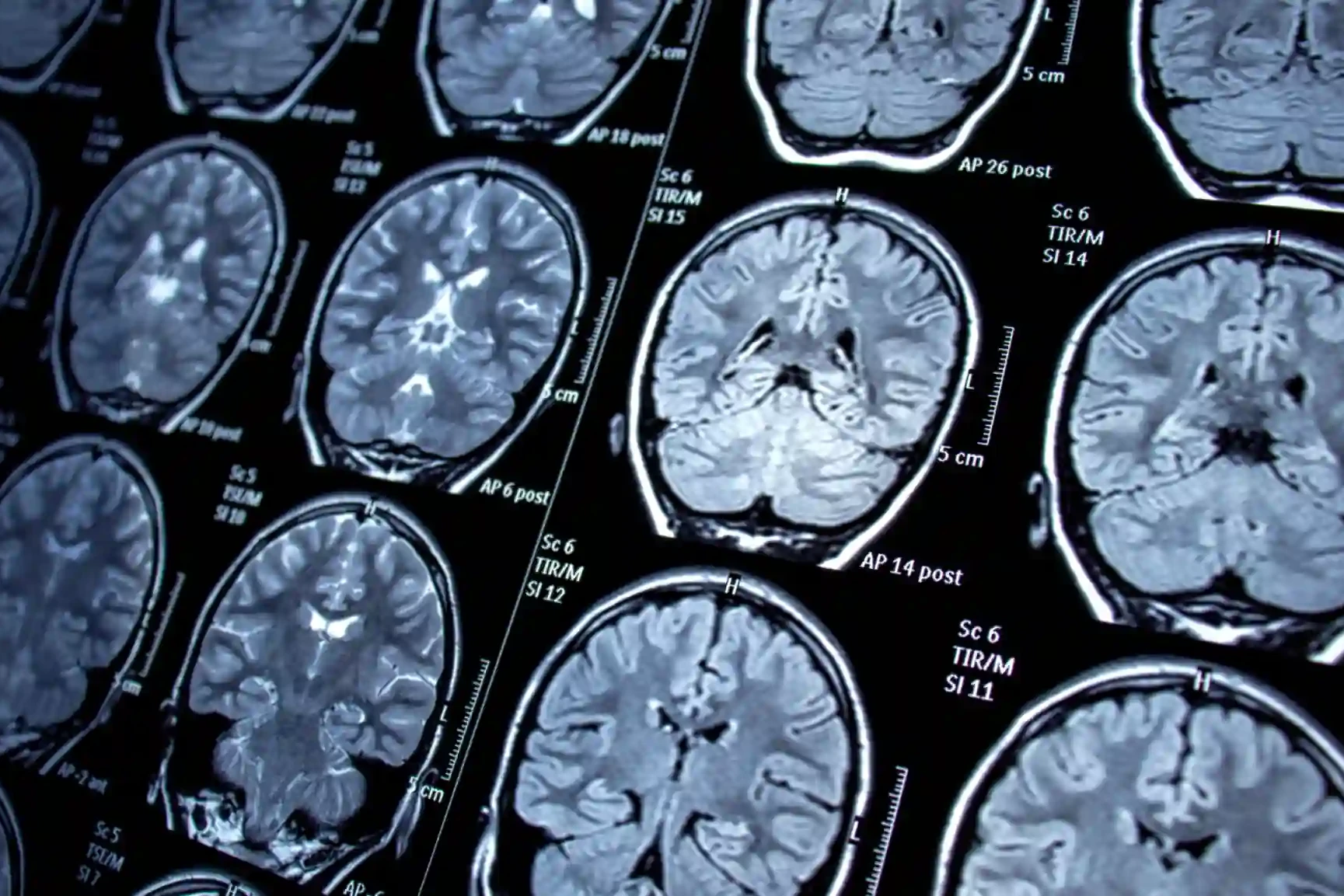
A CT scan is often done first because it works fast and helps identify bleeding or a major stroke. MRI gives more detail and can show small strokes, tumors, infections or inflammation. Both tests help confirm the cause of hemiplegia and guide treatment choices. In emergencies, these scans help doctors decide whether certain stroke treatments are possible based on bleeding, clot size, and timing.
Motor And Sensory Function Evaluations
Physical and occupational therapists use tasks such as standing balance, grip tests, walking patterns, and hand movement tests. These findings help measure how much hemiplegia affects daily activities. Therapists also check sensation, arm awareness, and how safe you are when you try to walk or move from a chair.
Identifying Underlying Diseases Or Injuries
Blood tests, heart tests, spinal imaging, and sometimes genetic tests may be needed. The goal is to find the root cause of hemiplegia , including stroke sources, infections, immune diseases, metabolic conditions, or rare gene problems. Doctors compare results from different tests to confirm a diagnosis because treatment depends on the exact cause.
Hemiplegia Treatment Options
The treatment options of hemiplegia depend on the cause, age, and severity. The main goal is to restore as much movement and independence as possible while preventing problems. Evidence shows better outcomes when rehab begins early and continues consistently.
Physical Therapy And Motor Rehabilitation
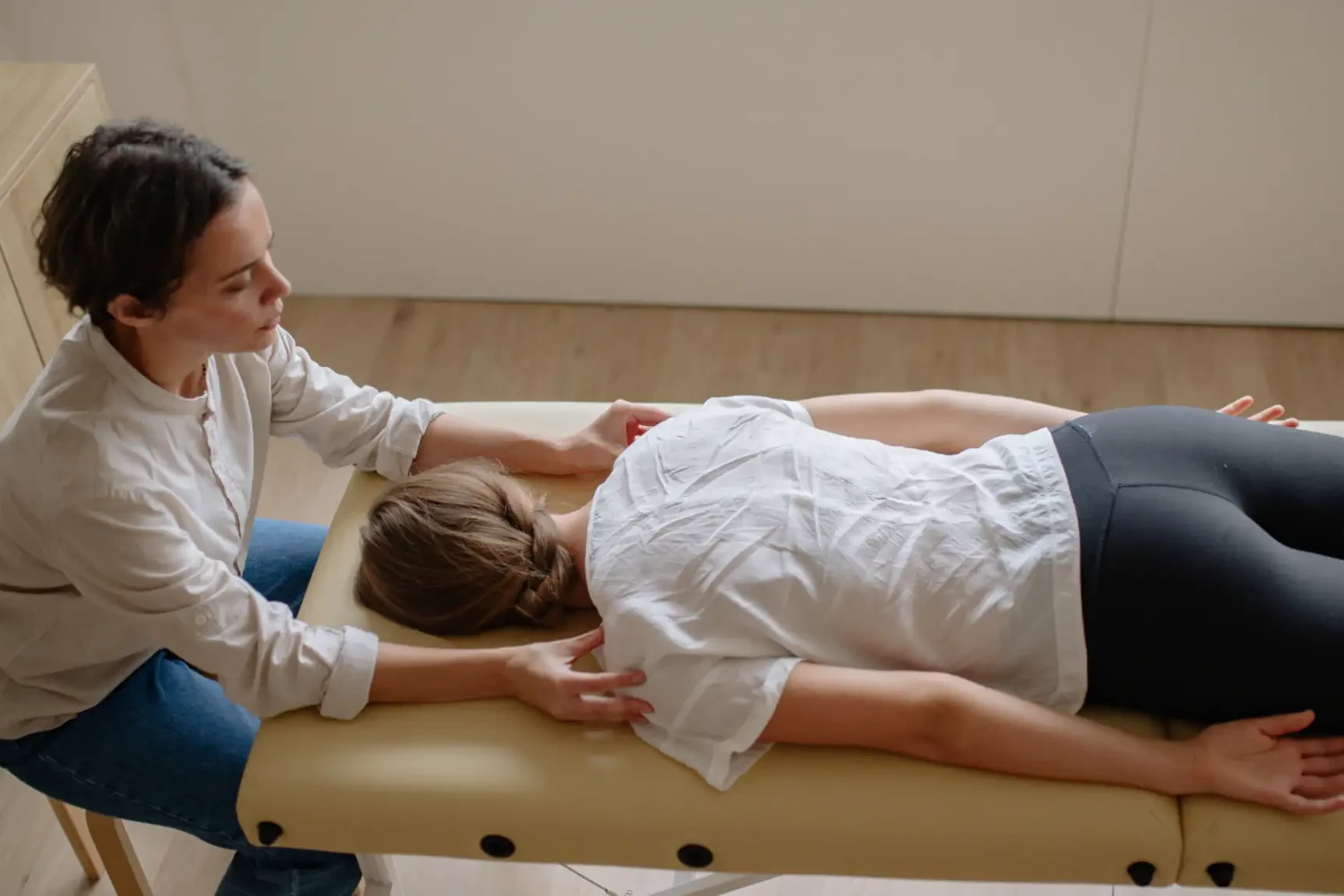
Physical therapy focuses on strength, flexibility, and balance. For hemiplegia , therapists use weight-shifting tasks, standing practice, treadmill walking, and exercises that help you relearn normal patterns. Repeated practice helps your brain form new pathways to improve control.
Occupational Therapy For Daily Activities
Occupational therapy teaches you to handle everyday tasks such as dressing, bathing, cooking, and writing. You learn safer ways to use the stronger side and improve function in the weaker side. Tools like grab bars, dressing aids, and adapted kitchen tools often help you stay independent.
Speech Therapy And Cognitive Rehab
If hemiplegia affects language, speech therapists teach exercises to improve word finding and communication. If thinking skills are affected, cognitive rehab uses memory tasks, planning tasks, and problem-solving tasks to improve daily functioning. For swallowing issues, speech therapists teach techniques that reduce choking risk.
Medications For Muscle Tightness
Some people with hemiplegia develop severe spasticity. Doctors may prescribe muscle relaxants or medicines that reduce tight reflexes. Dosage varies by age and health. These medicines help therapy work better by allowing freer movement. In some cases, botulinum toxin injections are used to reduce stiffness in specific muscles.
Constraint-Induced Movement Therapy
This method gently restricts the strong arm for several hours, encouraging use of the weaker arm. It works best for people who still have some movement. Research shows it can improve hand use because it forces the brain to re-engage the affected side through repetition.
Electrical Stimulation And Assistive Devices
Electrical stimulation sends small pulses to weak muscles, helping them contract. This helps improve movement control in hemiplegia . Assistive devices such as walkers, canes, braces, or wheelchairs give stability and safety. Some devices also assist with lifting the foot or supporting the wrist.
Surgical Options
In severe cases of hemiplegia , surgery may help reduce tightness or correct joint deformities. Tendon lengthening, nerve procedures, or implanted pumps that deliver medicine near the spinal cord may be used. These options are considered only when other treatments have not worked well.
Hemiplegia Complications
The complications of hemiplegia vary, but many can be prevented with early treatment and good care at home.
Muscle Contractures And Joint Stiffness
Without movement and stretching, muscles shorten over time. This causes joints to stiffen and reduces range of motion. Contractures can make dressing, walking, and hygiene more difficult.
Chronic Pain And Mobility Issues
Pain may come from tight muscles, swelling, or strain on the strong side. Poor walking patterns can lead to back or hip pain. Therapy and safe exercise can reduce discomfort and protect your joints.
Fatigue, Depression, And Emotional Stress
Living with hemiplegia can be tiring because simple tasks need extra effort. Emotional stress, fear of falling, or feeling dependent on others can also affect mental health. Counseling and support groups are helpful for many people.
Long Term Disability And Reduced Independence
Some people cannot return to previous jobs or activities. Adaptive tools, home changes, and strong rehab programs reduce the impact of disability, but results differ for each person.
Risk Of Falls And Safety Concerns
Weakness, balance issues, and sensory loss increase fall risk. Falls can cause fractures and longer recovery time. Safety training, good shoes, and clear walking paths reduce danger.
Living With Hemiplegia
Home Modifications And Adaptive Tools
Small changes such as grab bars, non-slip mats, raised toilet seats, and ramps make daily movement safer. Adaptive spoons, cutting boards, and dressing tools also help.
Caregiver Strategies
Caregivers learn safe lifting and transfer techniques. They also help with schedules, reminders, transportation, and emotional support. Breaks and shared tasks protect caregivers from burnout.
Improving Quality Of Life
Activities such as art, reading, gentle fitness, and social time improve well-being. Staying active helps protect the strong side and keeps the affected side moving.
Long-Term Prognosis
Recovery depends on age, cause, and how early treatment begins. Many people improve most in the first six months, but gains can continue for years. Some limits may remain, yet meaningful progress is still possible.
FAQs
Is Hemiplegia Permanent?
Hemiplegia can be temporary or long-term, depending on the cause and how early treatment begins. Some people regain movement with therapy, while others continue to manage lasting weakness.
Can Hemiplegia Improve With Therapy?
Therapy improves strength, balance, and coordination in many people with hemiplegia . Progress depends on brain healing, practice, and overall health, but steady gains are common with consistent rehab.
What Is The Difference Between Hemiplegia And Paralysis?
Paralysis means loss of movement in any area, but hemiplegia means paralysis on one side of the body caused by brain or spinal cord damage. It often affects the arm, leg, and face on that side.
Does Hemiplegia Affect Speech And Memory?
When the injury affects language or thinking areas, hemiplegia can appear with trouble speaking, understanding words, or remembering tasks. Speech and cognitive therapy help improve these skills over time.
Can Children Develop Hemiplegia?
Children can develop hemiplegia due to stroke, infection, trauma, or conditions like cerebral palsy. Early therapy helps improve movement and independence as the child grows and learns new skills.
What Lifestyle Changes Help Manage Hemiplegia?
Healthy habits such as regular stretching, safe exercise, balanced meals, sleep, and avoiding smoking support recovery from hemiplegia . Home changes and stress management also protect long-term function.
What Causes Sudden Hemiplegia?
Sudden hemiplegia often means a stroke or severe brain bleed. Fast medical care is needed to protect brain cells and reduce long-term damage. Any sudden one-sided weakness is an emergency.
How Long Does Recovery From Hemiplegia Take?
Recovery from hemiplegia varies. Many people improve within months, and some continue to gain skills for years. Progress depends on cause, severity, therapy intensity, and personal health factors.
About The Author

Medically reviewed by Dr. Chandril Chugh, MD, DM (Neurology)
Dr. Chandril Chugh is a U.S.-trained, board-certified neurologist with expertise in diagnosing and managing neurological disorders, including migraines, epilepsy, Parkinson’s disease, and movement disorders. His clinical focus includes evidence-based neurological care and patient education.
All content is reviewed for medical accuracy and aligned with current neurological guidelines.