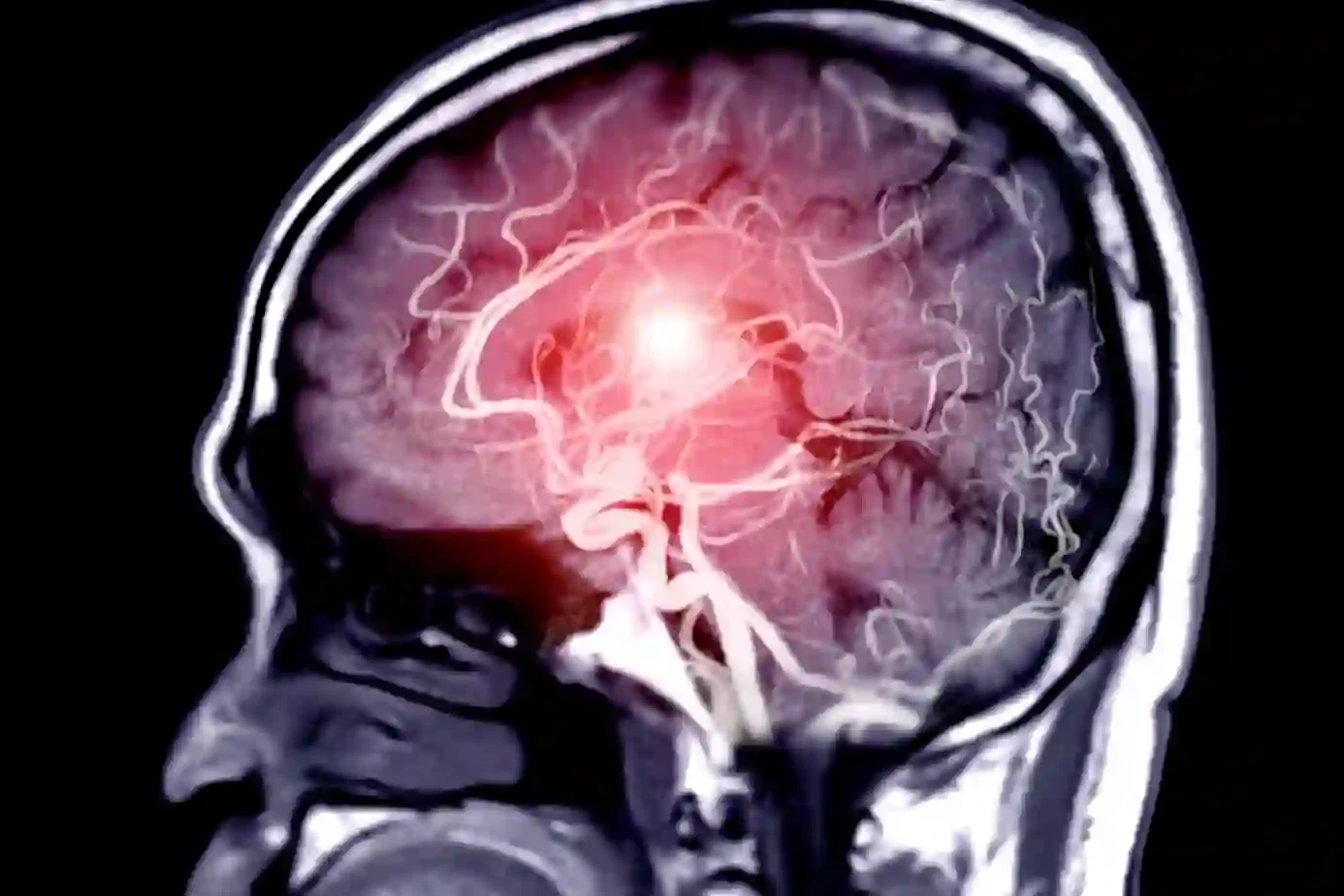
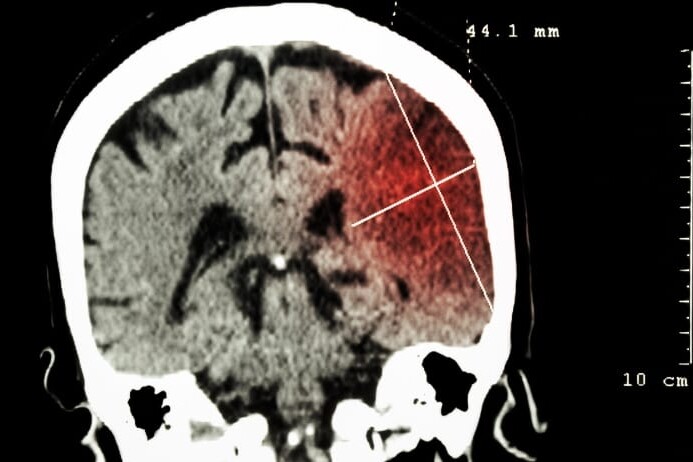
Stroke-level blood pressure means your blood pressure is so high that your brain, heart, and other organs face immediate danger. Major heart groups, including the American Heart Association and Mayo Clinic, treat readings at or above 180/120 mm Hg as a medical emergency because they greatly increase the risk of heart attack and stroke.
Experts from the WHO and other guideline panels define regular high blood pressure at or above 140/90 mmHg, but stroke-level blood pressure sits much higher. It marks the point where blood vessels can clog or burst in a short time.
Dangerously High Blood Pressure Levels
When your blood pressure climbs into dangerously high blood pressure levels , the force of blood hitting artery walls becomes extreme. At that point, stroke-level blood pressure can damage tiny vessels in the brain in minutes.
Most experts agree that a reading of 180 or higher on the top number or 120 or higher on the bottom number is a hypertensive crisis. Even one reading at this level can be serious. Repeated readings at this level are far more dangerous because the strain on your brain and heart keeps building.
That is why stroke-level blood pressure always needs urgent medical review.
Systolic Pressures Above 180 As Medical Emergencies
The systolic number shows how hard blood pushes when your heart beats. When this number reaches 180 or more, doctors treat it as an emergency, even if you feel fine.
At this level, stroke-level blood pressure can:
- Tear the inner lining of arteries in the brain.
- Help blood clots form on those tears.
- Push existing clots into a brain artery.
Any of these changes can block blood flow to part of the brain. That is why systolic readings above 180 link so closely with stroke-level blood pressure and acute stroke risk.
Why Diastolic Readings Over 120 Signal Immediate Danger
The diastolic number shows the pressure in your arteries while your heart rests between beats. When this number is above 120, the pressure stays high all the time.
This constant strain makes artery walls stiff and fragile. Very high diastolic values often appear with stroke-level blood pressure and raise the chance that a weak spot in a brain vessel will burst.
Research links diastolic values in this range with higher rates of brain bleeds, though the exact risk can vary from person to person and across studies.
How Severely Elevated BP Damages Arteries In Minutes
At stroke-level blood pressure , the pressure wave that moves with each heartbeat becomes very strong. Inside the artery, the smooth lining can crack. The body tries to “patch” that crack with platelets and clotting proteins.
That “patch” can grow into a clot. If the clot blocks a brain artery, you face an ischemic stroke. If the wall tears all the way through, blood leaks into brain tissue and causes a hemorrhagic stroke. Clinical reports show that in hypertensive crises, these changes can appear over minutes to hours, not years.
Emergency Complications From Extremely High BP
If you stay in dangerously high blood pressure levels , several emergencies can happen at once:
- Stroke from a clot or brain bleed.
- Heart attack when heart arteries close.
- Acute heart failure when your heart cannot keep up.
- Sudden kidney injury.
- Serious eye damage that affects sight.
When these problems appear together with stroke-level blood pressure , doctors call it a hypertensive emergency. You usually need IV medicines, close monitoring, and fast tests to check the brain and heart.
Blood Pressure That Causes A Stroke
There is no single perfect number for blood pressure that causes a stroke in every person. Some people have a stroke at lower levels if they live with long-term high blood pressure or other strong risk factors. Others only reach trouble when they hit clear stroke-level blood pressure .
The higher your blood pressure and the longer it stays high, the more likely a stroke becomes. That pattern holds even after experts adjust for age, smoking, and cholesterol.
How Uncontrolled Hypertension Leads To Ischemic Stroke
An ischemic stroke happens when a blood vessel in the brain gets blocked. Years of high blood pressure roughen the inner surface of your arteries. Fat and calcium then collect there and form plaque.
Uncontrolled high readings, especially near stroke-level blood pressure , speed up this process. A clot can form on top of plaque, or a piece of plaque can break off and flow into the brain. When that fragment blocks a small artery, blood cannot reach brain cells, and they start to die.
Some research suggests that lowering long-term blood pressure reduces ischemic stroke risk by 30% or more, but results differ across age groups and medical histories, so your benefit may not match the average.
Hemorrhagic Stroke Risk From Sudden BP Spikes
Hemorrhagic stroke occurs when a blood vessel in the brain bursts and bleeds. Sudden jumps in stroke-level blood pressure push hard on thin spots in artery walls, especially in people who already have small aneurysms (balloon-like weak spots).
Studies from hospital stroke units show that many people with brain bleeds arrive with readings near or above 180/120. Not every spike causes a bleed, and some people with lower numbers still bleed, so experts stress overall risk rather than one rigid cutoff.
The Threshold At Which Blood Vessels Rupture
There is no exact blood pressure number where every blood vessel will rupture. Guideline groups from Europe and the United States place grade 3 or crisis levels around 180 systolic or 110 to 120 diastolic because, above that point, rupture risk climbs fast on a population level.
So when doctors talk about stroke-level blood pressure numbers , they focus on the range where risk rises sharply, not a single cutoff. Your own “Rupture threshold” may sit slightly lower or higher depending on age, past strokes, diabetes, and vessel health.
How Chronic Vs Sudden BP Elevation Increases Stroke Odds
Long-term high blood pressure shapes the “ground” for stroke. It thickens artery walls, narrows vessel space, and weakens tiny brain vessels. Sudden spikes in stroke-level blood pressure then act as the final push.
Some people face a stroke from years of moderate high readings without a huge spike. Others have a dramatic event on the day their blood pressure shoots above crisis levels. Large reviews show both patterns, although many details still need more research.
Signs Of Stroke-Level Blood Pressure
When you enter stroke-level blood pressure , your brain and heart begin to struggle with the force of the blood flow. You may feel normal for a short time, but many people notice warning signs. These signs happen because very high pressure affects nerves, eyes, blood flow, and oxygen levels in the brain. Since stroke-level blood pressure brings a high chance of stroke, you need to act fast when symptoms appear.
Some people feel only one symptom. Others feel several at the same time. You should treat every warning sign seriously because symptoms can move quickly from mild to severe.
Severe Headache And Vision Changes Linked To BP Crisis
The most common early symptom of stroke-level blood pressure is a sudden, strong headache. It may feel like pressure building inside your head. Some describe it as a heavy, sharp, or bright pain. This headache shows that the blood vessels in the brain are reacting to high force.
Vision changes are another strong warning sign. You may see blurry spots, flashing lights, or a sudden dark area in your view. These changes appear because blood flow to the eyes becomes unstable. When the pressure rises too fast, small eye vessels can swell or leak. These signs often appear when your reading reaches stroke-level blood pressure numbers , especially if the diastolic value is above 120.
Neurological Red Flags During Hypertensive Emergencies
Your brain controls speech, movement, balance, and understanding. When your pressure climbs to stroke-level blood pressure , parts of the brain may stop getting normal oxygen. This can cause:
- Trouble lifting one arm
- Numbness on one side
- Sudden weakness in the face
- Slurred or slow speech
- Trouble understanding simple words
Doctors call these red flags signs of neurological stress. They appear more often in hypertensive emergencies than in mild blood pressure spikes. If you see these signs along with stroke-level blood pressure , you face a high stroke risk.
Chest Pain, Confusion, And Inability To Speak Clearly
Chest pain may also appear at stroke-level blood pressure because the heart needs more oxygen than the arteries can supply. Confusion can come suddenly. You may lose track of time, forget simple tasks, or speak slowly. Sometimes a person tries to talk but cannot form words.
These changes happen because high pressure affects both blood flow to the heart and electrical signals in the brain. Many people ignore these symptoms, thinking they will pass, but they often appear when the body enters blood pressure that causes a stroke . When these signs appear together, the risk of both stroke and heart attack climbs.
FAST Symptoms Appearing With Extreme BP Levels
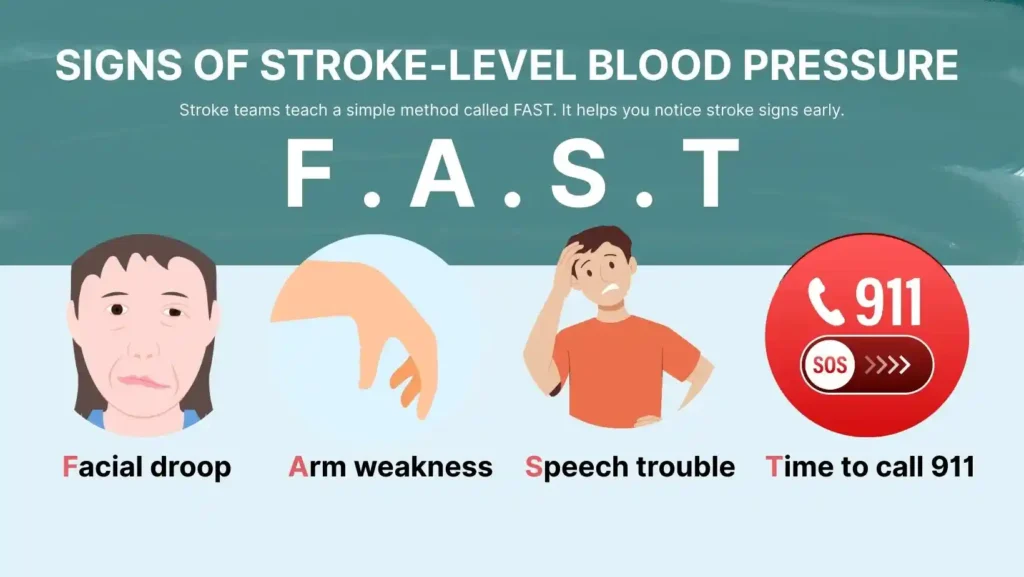
Stroke teams teach a simple method called FAST. It helps you notice stroke signs early.
- F – Facial droop
- A – Arm weakness
- S – Speech trouble
- T – Time to call 911
These signs show up often when readings reach true stroke-level blood pressure numbers . A FAST sign can appear even before someone feels pain. If you see a FAST sign during dangerously high blood pressure levels , you must treat it as a real stroke until a doctor confirms otherwise.
Stroke-Level Blood Pressure Numbers
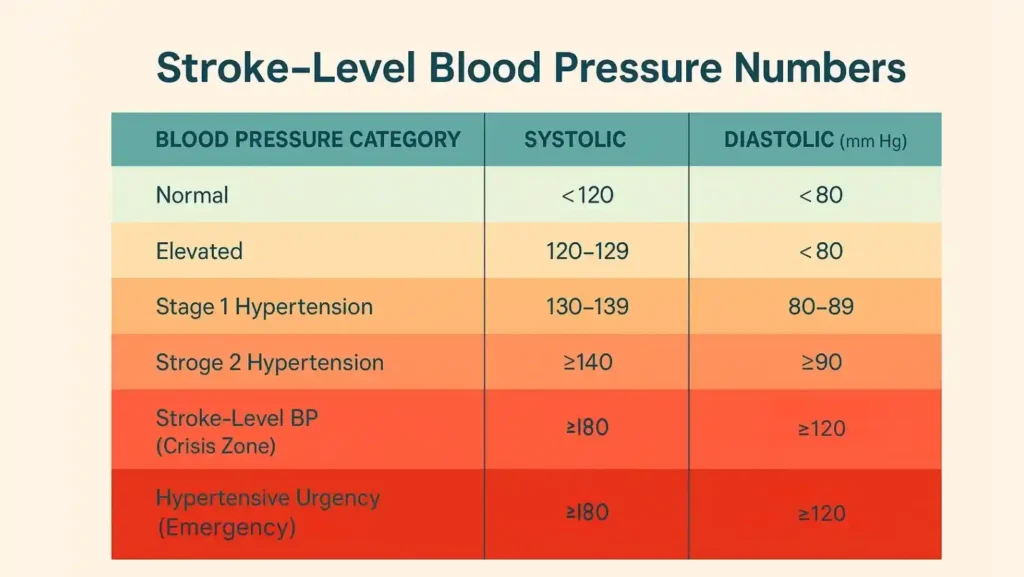
You can only diagnose stroke-level blood pressure with a gauge reading. Symptoms help, but the numbers confirm the risk. Millions of adults have high blood pressure, but very few understand that readings above 180/120 fall into a crisis zone. This range pressures on arteries so much that both clots and ruptures become more likely.
You should check your blood pressure twice, five minutes apart, to confirm a very high reading. If both numbers stay close to 180 systolic or 120 diastolic, doctors advise urgent evaluation.
180/120 And Why This Number Indicates Medical Emergency
The number 180/120 matters because medical groups around the world link it to sharp increases in stroke and heart injury. At this point, blood pushes with enough force to tear artery walls or move clots into brain arteries. This makes it a core marker for stroke-level blood pressure .
Even a few hours at this level may harm the eyes, kidneys, and brain. Some patients reach this point due to skipped medicines, dehydration, or stress, but the danger stays the same: stroke-level blood pressure can harm organs even in people who feel normal at first.
Hypertensive Crisis Vs Hypertensive Urgency: Key Differences
A hypertensive crisis means stroke-level blood pressure plus organ damage. A hypertensive urgency means you have the same high numbers but no clear injury yet. Both require medical care, but a crisis needs faster treatment.
In an emergency, doctors usually adjust medication and monitor for new symptoms. In a crisis, they may give IV medicines and run brain scans. Both conditions involve stroke-level blood pressure numbers , and both carry high risk.
Interpreting BP Readings When Symptoms Are Present
Symptoms change everything. If your reading is close to 180/120 and you feel chest pain, confusion, vision changes, or weakness, you may be entering the range of blood pressure that causes a stroke . Doctors want to act before the vessel closes or bursts.
When Numbers Alone Require 911 Intervention
Even without symptoms, a confirmed reading in the crisis range is enough reason to seek emergency care. Numbers at this level put you in stroke-level blood pressure , which brings one of the highest short-term stroke risks. Acting early protects your brain, heart, and kidneys.
When High Blood Pressure Becomes Dangerous
You reach the point at which high blood pressure becomes dangerous when the pressure starts harming blood vessels in the brain, heart, and eyes. This often begins long before symptoms appear. Many people walk around with high readings for years without knowing the damage taking place. Once the pressure climbs to stroke-level blood pressure , the danger becomes immediate.
The Tipping Point Where BP Begins Damaging The Brain
Brain cells need steady blood flow. When the pressure rises too high, tiny vessels stretch beyond their limit. They become stiff, narrow, and prone to leaking. Research from stroke centers shows that long-term high pressure leads to “silent strokes,” which are small injuries that do not cause sudden symptoms but still harm brain tissue over time. These changes become more serious when the numbers reach stroke-level blood pressure .
Warning Signs That BP Is Reaching Stroke-Causing Range
As your pressure climbs, you may notice headaches, dizziness, or short breath. Some people get nosebleeds or feel a pounding pulse in the neck. These signs do not always mean a stroke will happen, but they show that your body is struggling. When you reach dangerously high blood pressure levels , these early signs often become stronger.
High-Risk Groups More Likely To Reach Dangerous BP Peaks
Some groups face higher risk:
- Adults with diabetes
- Adults with kidney disease
- People with obesity
- Adults with sleep apnea
- People who smoke
- People with a strong family history of stroke
These groups often reach stroke-level blood pressure faster because their vessels are already under stress.
Long-Term Hypertension Complications Leading To Stroke
Years of high pressure cause artery walls to stiffen. Plaque builds up, vessels shrink, and blood flow weakens. Over time, this forms the perfect setting for both clot-based and bleeding-based strokes. When you finally reach a blood pressure that causes a stroke , the damage that led you there may have started long before the crisis.
Diagnosis And Emergency Evaluation
When you enter stroke-level blood pressure , doctors move quickly. Their goal is to protect the brain and heart before permanent damage occurs.
Blood Pressure Measurement Protocols In Emergency Care
Emergency teams check your pressure several times. They measure both arms, use the right cuff size, and repeat the reading after a few minutes. This confirms that you truly reached stroke-level blood pressure numbers , not a short spike caused by pain or stress.
Neurological Exams To Confirm Stroke Onset
Doctors check memory, balance, speech, movement, and vision. They look for weakness, numbness, or slow thinking. These steps help them see if stroke-level blood pressure has already affected the brain.
CT/MRI Imaging To Identify Ischemic Or Hemorrhagic Stroke
A CT scan or MRI shows if the stroke is caused by a clot or bleeding. This matters because each type needs different treatment. If bleeding is present, doctors must lower stroke-level blood pressure carefully to avoid more bleeding.
Cardiac And Vascular Assessments In Hypertensive Crisis
Doctors may run heart tests and blood tests. They check kidney function because when high blood pressure becomes dangerous, it often affects the kidneys first. They may also examine the eyes to look for swelling or bleeding.
Treatment For Stroke-Level Blood Pressure
Treatment focuses on lowering the pressure safely while protecting the brain.
Emergency BP Reduction Guidelines
Doctors slowly reduce the pressure. A sudden drop can harm the brain. They often use IV medicines that act fast but can be adjusted minute by minute. These medicines lower stroke-level blood pressure without cutting blood flow too fast.
Clot-Busting And Bleeding-Control Treatments
If the stroke is from a clot, doctors give clot-busting medicine if you qualify. If the stroke is from bleeding, they focus on stopping the blood leak and lowering the pressure to a safer range. Both treatments require fast decisions.
Hospitalization And Continuous Monitoring
People with stroke-level blood pressure stay in the hospital. Nurses monitor heart rate, breathing, brain signs, and kidney function. The team adjusts medicines often, depending on how your pressure responds.
Long-Term BP Control To Prevent Recurrence
After the crisis ends, you need long-term control. Doctors usually use more than one type of blood pressure medicine. The amount depends on age, health history, and kidney function. The goal is to prevent another spike into stroke-level blood pressure .
Prevention And Long-Term BP Management
The safest way to avoid emergencies is to control your pressure every day.
Lifestyle Strategies To Keep BP Below Danger Levels
You can lower your risk by:
- Eating less salt
- Eating more fruits and vegetables
- Staying active
- Limiting alcohol
- Not smoking
These steps help prevent the move into stroke-level blood pressure later.
Medications For Severe Hypertension
Many people need medicine to stay safe. Doctors choose the type based on your health and family history. They may adjust doses over time. Stopping your medicine suddenly can cause a jump into stroke-level blood pressure numbers .
How Weight, Sleep, And Stress Affect BP Risk
Extra weight strains the heart. Poor sleep raises pressure over time. Stress hormones tighten blood vessels. All these increase your risk of blood pressure that can cause a stroke . Checking your pressure often helps you see early changes.
When To Begin Home BP Monitoring
You should monitor at home if you have diabetes, kidney disease, or a family history of stroke. Home checks help you catch rising numbers before they reach dangerously high blood pressure levels .
FAQ
What BP level is considered stroke-level?
Doctors consider 180/120 or higher as stroke-level blood pressure because this range is linked to a high risk of organ damage and active stroke events.
Can you have a stroke at 150/100 blood pressure?
Yes, it is possible for some people. While 150/100 is not stroke-level blood pressure , long-term high readings can still trigger strokes in high-risk individuals.
Can blood pressure reach stroke levels without symptoms?
Yes, many people have stroke-level blood pressure with no warning signs, which is why regular checks are important for early detection.
How fast can dangerously high BP trigger a stroke?
A stroke can develop within minutes once you reach dangerously high blood pressure levels , especially if a vessel tears or a clot blocks blood flow.
Should I go to the ER if my BP is 180/120 but I feel fine?
Yes, because 180/120 is stroke-level blood pressure , and the risk of sudden damage stays high even when you feel normal.
Can anxiety or stress cause stroke-level blood pressure spikes?
Stress can raise your pressure sharply, and in some cases it can push you into stroke-level blood pressure , which still requires medical review.
How long can the body sustain extremely high BP before damage occurs?
Severe damage can begin in minutes once you reach stroke-level blood pressure , and waiting increases the risk of stroke or heart injury.
Does stroke-level BP always cause a stroke?
No, but stroke-level blood pressure carries one of the highest short-term risks, so emergency care is required to prevent further harm.
Can stroke-level BP return to normal on its own?
Sometimes it drops, but stroke-level blood pressure must still be checked by a doctor because organ damage can occur even after it lowers.
When is emergency BP medication needed at home?
Doctors only use emergency medicines in special cases. If you hit stroke-level blood pressure , you should go to the ER instead of treating it alone.
About The Author

Medically reviewed by Dr. Chandril Chugh, MD, DM (Neurology)
Dr. Chandril Chugh is a U.S.-trained, board-certified neurologist with expertise in diagnosing and managing neurological disorders, including migraines, epilepsy, Parkinson’s disease, and movement disorders. His clinical focus includes evidence-based neurological care and patient education.
All content is reviewed for medical accuracy and aligned with current neurological guidelines.