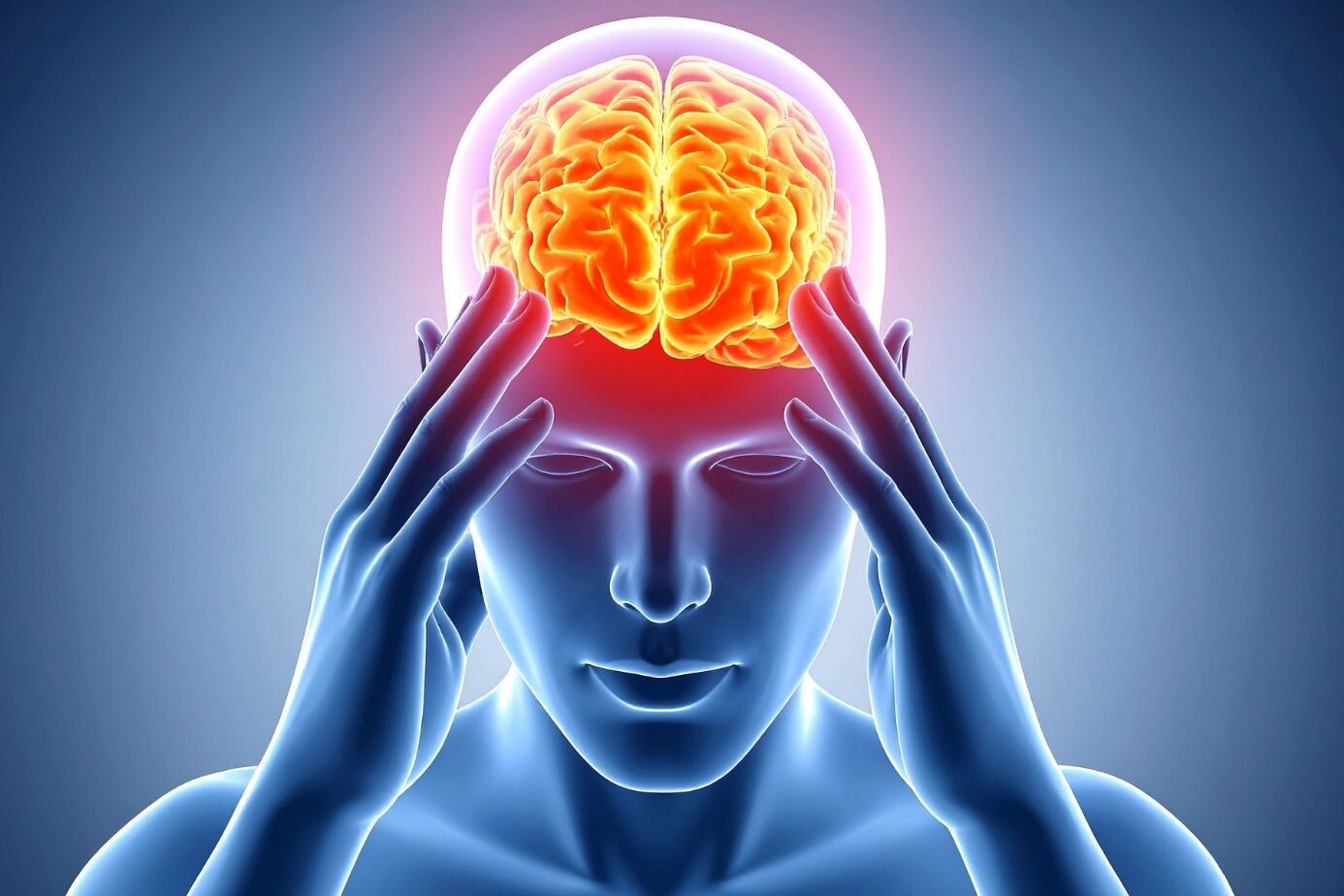
Stress does not usually stop the heart by itself. But strong and long-lasting stress can raise the risk of heart attack, stroke, and other problems that can lead to death over time. Doctors at major heart groups say that chronic stress can raise blood pressure, damage blood vessels, and push your heart harder than it should, which then increases the risk of serious heart disease and stroke.
Sudden extreme stress can trigger life-threatening events in people who already have heart or blood vessel disease, and long-term stress makes those diseases more likely to appear. So stress is not “just in your head”; it has real effects on your body.
Can Extreme Stress Be Fatal
In rare cases, extreme stress can be fatal ; a single shock can trigger a chain reaction in your body that leads to a heart attack, stroke, or a type of stress heart failure. This happens more often in people who already have clogged arteries, high blood pressure, or other health problems, but it can also appear in people who seemed healthy before.
Extreme stress often hits your heart and blood vessels in these ways.
Acute Fight-Or-Flight Surge Raising Blood Pressure To Dangerous Levels
The “fight-or-flight” response is your body’s alarm system. In a crisis, your body releases a rush of stress hormones. This can:
- Raise your heart rate very fast
- Tighten your blood vessels
- Send more blood to your muscles
- Sharply raise your blood pressure
For most people, this spike settles once the stress passes. But if you already have stiff or narrowed arteries, this sudden jump in pressure can strain weak spots in blood vessel walls and may trigger a heart attack or a brain bleed stroke.
Studies show that chronic and acute stress can damage the inner lining of blood vessels and promote clot build-up, which makes such deadly events more likely.
So stress can kill you due to a sudden blood pressure surge on top of an already diseased heart or brain artery.
Adrenaline Spikes Triggering Heart Rhythm Disturbances
Adrenaline is a powerful stress hormone. A strong surge can disturb the tiny electrical signals that keep your heart beating in a steady pattern. This can lead to:
- Palpitations (the feeling that your heart is racing or skipping)
- Fast heart rhythms
- In some cases, dangerous arrhythmias (irregular rhythms that can stop blood flow)
Research on stress cardiomyopathy shows that very high catecholamines (a family of stress hormones that includes adrenaline) can directly injure heart cells and change the way the heart beats.
In people with a weak heart, severe rhythm problems can cause sudden collapse. This stress can suddenly kill you , even though this outcome is uncommon in healthy hearts.
Severe Stress-Induced Vascular Constriction Reducing Blood Flow
Stress does not just affect the heart muscle. It also affects the “pipes” that carry blood. Stress hormones can cause strong narrowing of blood vessels, called vasoconstriction (tightening of blood vessels). When this happens:
- Less blood reaches the heart muscle
- Less blood reaches the brain
- Existing narrow spots in arteries become even tighter
In coronary arteries that already have plaque, this narrowing can limit blood flow so much that part of the heart muscle starts to die. That is a heart attack.
Chronic studies confirm that stress changes how vessels work and increases the risk of atherosclerosis, which is the build-up of plaque that clogs arteries. This is another way by which stress can kill someone with hidden heart disease.
How Extreme Panic Can Mimic Cardiac Emergencies
A panic attack can feel exactly like a heart attack:
- intense chest tightness
- racing heart
- sweating
- shaking
- feeling that you will die
Many people with panic end up in emergency rooms, and tests show that their heart is structurally normal. Yet, doctors still take these symptoms very seriously because, in some cases, a real heart attack and a panic attack look almost the same at the start.
So while a typical panic attack does not damage your heart, the stress response behind it can trigger real heart events in a person who already has blocked arteries.
Stress-Triggered Inflammation Raising Risk Of Stroke Or Clotting
Stress is also linked to inflammation. Inflammation is your body’s way to fight injury or infection. Long or repeated stress raises stress hormones that promote inflammatory signals.
This can:
- make blood more likely to clot
- damage vessel walls
- speed up plaque growth in arteries
When a clot blocks a brain artery, a stroke occurs. When a clot blocks a heart artery, a heart attack occurs. So while one stress event is not usually enough, the pattern shows how stress can kill you over the years by pushing your body toward clotting and vessel damage.
Can Stress Cause Death
After reading about the intense short-term effects, you may still ask, “ Can stress cause death?” The answer from research is yes. Stress can act as a trigger for certain medical conditions that can be fatal, especially if they are not treated in time. The stress itself is a trigger, not the only cause, but that trigger can be the final push.
Takotsubo Cardiomyopathy (Broken-Heart Syndrome) As A Stress-Induced Heart Failure
Takotsubo cardiomyopathy, often called broken-heart syndrome, is a sudden weakness of the heart muscle that appears after strong emotional or physical stress, such as the loss of a loved one, an accident, or major fear.
In this condition:
- The main pumping chamber of the heart balloons and does not squeeze well
- Symptoms look just like a heart attack, with chest pain and breathlessness
- Hospital tests show no major blockages in the coronary arteries
Many recover with proper treatment, and many studies report good long-term outcomes. But newer data show that the risk of death and serious problems in the hospital is more serious than doctors once thought. Some large studies report in-hospital death rates around 6%, especially in older patients and in men.
Heart Attack Risk In People With Chronic Uncontrolled Stress
Long-term stress does not block an artery in one day. But over months and years, it can:
- raise blood pressure
- raise blood sugar and cholesterol
- promote weight gain and belly fat
- encourage smoking, a poor diet, and a lack of exercise
These factors together raise the risk of heart attack and stroke. The American Heart Association and other major groups now list chronic stress as a real contributor to cardiovascular disease risk.
This means that stress can kill you slowly, causing damage that builds until an artery closes and a heart attack occurs.
Stress-Related Hypertensive Crisis Leading To Organ Damage
In some people with high blood pressure, stress can drive readings to very high levels in a short time. When blood pressure becomes extremely high, doctors call it a hypertensive crisis. This can injure:
- the brain, causing a stroke
- the eyes, harming vision
- the kidneys, harming their filter units
- the heart, causing heart failure or a heart attack
Medical reports note that severe emotional stress can act as a trigger for such extreme spikes, especially when blood pressure was poorly controlled before.
Arrhythmias Triggered By Emotional Shock Or Panic
Arrhythmias are abnormal heart rhythms. Some are harmless. Others, like ventricular tachycardia or ventricular fibrillation, can cause sudden death if not treated at once. Emotional shocks and sudden fear can trigger arrhythmias in people with scarred heart muscle or genetic rhythm problems.
You may notice:
- pounding or fluttering in your chest
- lightheadedness
- fainting
In those with underlying heart disease, these events may be serious. Again, this is one pathway where stress can cause death , especially when strong emotion hits a heart that is already weak.
Stress-Linked Stroke Mechanisms (Blood Pressure And Clotting Changes)
Stroke risk rises when blood pressure stays high and when blood clots form more easily. Stress influences both. Research links stress and related conditions, like post-traumatic stress, to higher levels of blood pressure, inflammation, and other stroke risk factors.
Stress does not “cause” every stroke, but it shapes the body environment that makes a stroke more likely, especially if you already have risk factors like smoking, diabetes, or high cholesterol.
Effects Of Severe Stress On The Body
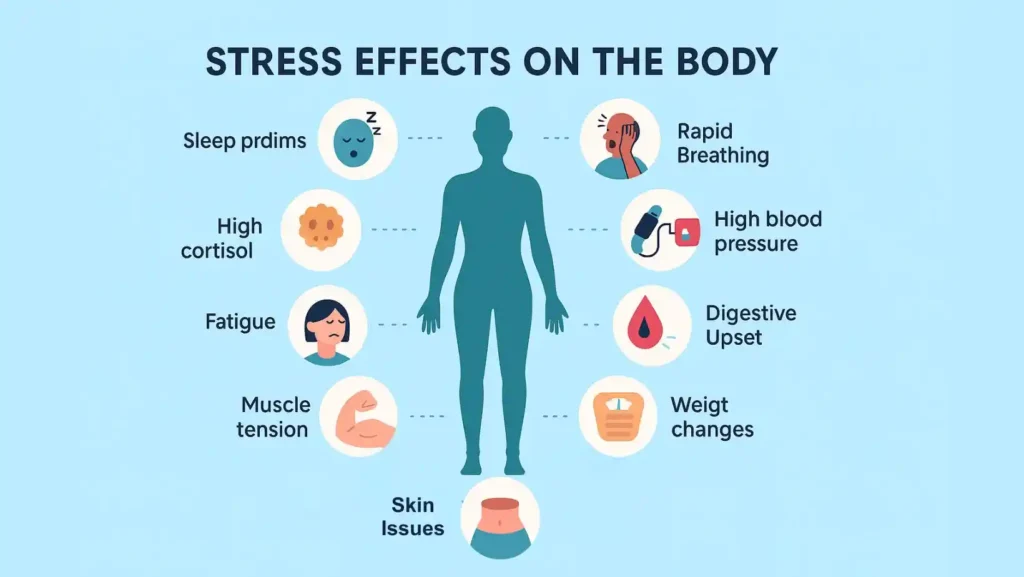
When you think about the effects of severe stress on the body , you may focus on mood or sleep. The truth is that severe or long-term stress affects almost every system. It is not only about how you feel. It is also about how your organs work each day.
Constant Cortisol Elevation Damaging Blood Vessels And Heart Tissue
Cortisol is a key stress hormone. It helps you respond to danger by raising blood sugar and changing how your body uses energy. When cortisol stays high for a long time:
- Blood pressure tends to rise
- Blood sugar and blood fats increase
- The inner lining of blood vessels gets damaged
- Plaque builds up more easily in arteries
Studies show that high stress hormone levels are linked to higher rates of heart disease and stroke.
Over the years, this is one of the main effects of severe stress on the body that turns a normal stress response into a risk factor for heart disease and early death.
Immune System Suppression Increasing Infection Vulnerability
You need a strong immune system to fight germs. Short bursts of stress can sometimes boost immune activity for a brief time. But long-term stress tends to weaken it.
You may notice:
- more colds
- slower healing
- flare-ups of conditions like herpes or shingles
This is another part of the effects of severe stress on the body . Your body spends so much effort on “fight-or-flight” that it has less energy to handle infections.
Chronic Digestive System Inflammation And Ulcer Risk
The brain and the gut have a close link. Under severe stress, your brain sends signals that change how your stomach and intestines move and how they handle acid. This can cause:
- stomach pain or burning
- loose stools or constipation
- flare of irritable bowel problems
Older views said that stress alone “causes ulcers”. Now we know most ulcers come from an infection called H. pylori or from some pain medicines. But stress can still worsen acid and slow healing, so it plays a real part in gut trouble.
The gut is not usually the direct cause of death, but long-term digestive issues harm your quality of life and can lead to weight loss, poor nutrition, or bleeding if ulcers form.
Severe Muscle Tension Leading To Migraines And Head Pressure
You may clench your jaw, hunch your shoulders, or tighten neck muscles when under stress. Over time, this constant tension can trigger:
- tension-type headaches
- migraines in people prone to them
- neck and shoulder pain
These problems do not usually kill, but they are key effects of severe stress on the body that can make daily life hard. They can also push you toward more pain medicine, which has its own risks if you use it often.
Long-Term Sleep Disruption Intensifying Health Deterioration
Good sleep is one of the strongest protectors for your heart and brain. Stress often breaks sleep in these ways:
- trouble falling asleep
- waking many times at night
- waking early with racing thoughts
Poor sleep then feeds back and raises stress hormones even more. Studies link chronic sleep loss with higher blood pressure, weight gain, diabetes, and heart disease.
So when you see the full effects of severe stress on the body , sleep sits in the center. Over time, this stress-sleep cycle helps explain yet another way stress can kill you , by slowly pushing your body toward disease even if you do not feel “sick” yet.
Dangers Of Uncontrolled Stress
If you ignore stress for months or years, it stops being a short-term reaction and turns into a constant load on your heart, brain, and hormones. This is where stress becomes a real long-term risk, not just a feeling. Large heart groups now say that chronic stress adds to high blood pressure, heart attack, and stroke risk in the same way as smoking or high cholesterol does.
When you understand the dangers of uncontrolled stress , it becomes easier to see why your daily habits and coping skills matter as much as your blood tests.
Persistent High BP Progressing To Life-Threatening Cardiovascular Disease
When stress stays high, your blood pressure often stays high too. Chronic stress raises stress hormones, which tighten blood vessels and speed up your heart. Over time, this can:
- damage artery walls
- strain the heart muscle
- raise the chance of heart attack and stroke
Several studies show that chronic stress and high “allostatic load” scores are linked with a higher rate of major cardiovascular events.
If you already have high blood pressure, this is one way stress can kill you slowly, by pushing you toward heart failure or stroke if it stays uncontrolled.
Chronic Stress Worsening Diabetes And Metabolic Disorders
Stress hormones tell your liver to release more sugar into the blood so that you can run or fight. When stress never calms down, that extra sugar stays high and your body responds less to insulin. Over time, this can:
- worsen prediabetes
- make diabetes harder to control
- add to weight gain around your belly
Diabetes and metabolic syndrome are major risk factors for heart attack and stroke. Chronic stress makes both more likely and harder to manage.
So stress can kill you through diabetes. Not directly in one day, but by making blood sugar and fats harder to control for years.
Emotional Breakdown Increasing Suicide Risk Factors
Uncontrolled stress often leads to anxiety, depression, or burnout. These conditions can increase thoughts of self-harm in some people. Suicidal thoughts are serious warning signs that the stress system has been overwhelmed. Doctors stress that suicide risk grows when:
- Stress is intense and long-lasting
- You feel hopeless or trapped
- There is alcohol or drug misuse
If you ever think about harming yourself, you need urgent help from a doctor or emergency service. This is another way stress can kill you , not only through your heart, but also through your mental health if you feel there is no way out.
Accelerated Biological Aging From Chronic Stress Exposure
Research on “biological age” looks at markers in your cells that show wear and tear. Chronic stress has been linked with shorter telomeres, which are small caps at the ends of chromosomes that protect your DNA. People with higher stress loads often show signs of faster biological aging and higher rates of heart disease and stroke.
Severe Anxiety Episodes Causing Dangerous Hyperventilation And Dizziness
During a high-anxiety episode, you may breathe very fast. This is called hyperventilation. It can lead to:
- tingling in your hands and face
- chest tightness
- dizziness or fainting
On its own, hyperventilation usually does not stop your heart. But if you have heart disease or a serious arrhythmia problem, this extra strain might trigger dangerous rhythms in rare cases. That is why any fainting or collapse with chest pain must get medical review, even if you think stress is the cause.
Long-Term Stress Health Risks
When you live with stress for years, every part of your health can shift. At this stage, you are not asking only if stress can kill you today, but how it shapes your health over decades. These long-term stress health risks cover the heart, immune system, brain, hormones, and even your life span.
Heart Disease Development From Ongoing Cortisol Load
Long-lasting high cortisol levels raise blood pressure, blood sugar, and blood fats. Together, these changes help plaque form in arteries. Over time, this plaque can crack and form a clot that blocks blood flow to the heart. That is a heart attack. Large reviews and heart association data link chronic stress to higher rates of coronary heart disease and heart events.
Chronic Inflammation Contributing To Autoimmune Disorders
Chronic stress changes immune signals and creates low-grade inflammation throughout the body. Reviews of stress and immunity show that long-term stress can both weaken protective immune cells and raise inflammation chemicals.
This type of chronic inflammation can worsen autoimmune conditions, where the immune system attacks the body, and may influence how they start in people who already have a genetic risk.
Memory Decline And Brain Volume Reduction Under Stress
Your brain is also sensitive to chronic stress. High cortisol over time can affect the hippocampus (a brain area important for memory) and other regions that control mood and thinking. Some studies link high stress levels with faster memory decline and brain changes in older adults.
Hormonal Disruption Affecting Metabolism And Fertility
Chronic stress can disturb hormone cycles in both men and women. It may:
- change appetite and weight patterns
- affect sex hormones
- disturb menstrual cycles
- lower libido and sperm quality in some men
These changes add to metabolic problems and can sometimes affect fertility. While they do not directly cause stress acutely kill you , they show how far stress reaches in your body.
Overall Mortality Risk Increase Associated With Unmanaged Stress
Many large studies find that people with higher chronic stress levels have higher overall death rates, often due to heart and stroke causes. Some stroke studies show that people with high stress have about 40 to 50 percent higher stroke risk than those with low stress, even after adjusting for other risk factors.
So long-term stress health risks are not only about feeling tired. They are about a higher chance that stress can kill you earlier than expected if you never gain control over it.
Warning Signs That Stress Is Becoming Dangerous
Stress becomes dangerous when body signals appear again and again, not only during a big crisis. You should not wait until a heart attack to think about stress can kill you . These warning signs mean your body is no longer coping well and you need help.
Chest Tightness, Palpitations, Or Irregular Heartbeat
Stress can cause chest discomfort and a fast pulse. But you should never assume chest pain is “only stress”. Warning signs include:
- chest pain or pressure that lasts more than a few minutes
- pain that spreads to the arm, jaw, or back
- strong pounding, fluttering, or irregular beats
These can signal a heart attack or dangerous arrhythmia. Here, stress can kill you if you ignore these signs and avoid urgent care.
Severe Headaches Or Neurological Symptoms
Stress can cause tension headaches and trigger migraines. You must seek help fast if you notice:
- the worst headache of your life
- sudden vision loss or double vision
- trouble speaking or understanding words
- one-sided weakness or numbness
These can be signs of a stroke. Studies show that psychological stress raises stroke risk, so such symptoms always need medical review.
Rapid Breathing Or Persistent Shortness Of Breath
Shortness of breath can come from panic, but it can also come from heart attack, heart failure, or lung blood clots. Seek care if:
- You cannot speak in full sentences
- Breathing gets worse when you lie flat
- You have chest pain with breathlessness
When breathing trouble appears during stress, stress can kill you becomes a real concern if a heart or lung condition is behind it.
Fainting Episodes Or Sudden Weakness
Passing out or sudden, severe weakness is never normal. It might mean:
- a dangerous rhythm problem
- a major drop in blood pressure
- a stroke
Even if you think stress triggered it, you still need an urgent assessment. Emotional stress can be the last straw that reveals a serious hidden condition.
High Blood Pressure Readings During Stressful Events
Many people now track their blood pressure at home. If you see very high readings during stress, especially above levels your doctor considers safe, this is a warning that stress is harming your heart and arteries.
This is one of the quiet ways stress can kill you , by pushing blood pressure into a range that damages organs over time.
How To Reduce Life-Threatening Stress
You cannot remove stress from life. But you can train your body and mind to respond more safely. This lowers the chance that stress can kill you through a heart attack, stroke, or emotional crisis. Effective stress care usually blends physical habits, mental tools, and, when needed, medical or therapy support.
Evidence-Based Relaxation Techniques To Stabilize Heart Rate
Simple, regular practices can calm your nervous system and slow your heart:
- slow breathing drills
- muscle relaxation, where you tense and relax one group at a time
- guided calming recordings
These methods reduce heart rate and blood pressure in many studies, which can help lower cardiovascular risk when used along with medical care.
Structured Breathing Methods For Panic Episodes
During panic, your breath becomes fast and shallow. A structured method, such as breathing in through your nose for four seconds, holding briefly, then breathing out slowly through your mouth, can reduce symptoms. Doctors and therapists often teach such drills as part of panic treatment.
Using Physical Activity To Regulate Cortisol Levels
Regular physical activity helps your body process stress hormones and improve heart health. It can:
- lower resting blood pressure
- improve blood sugar control
- boost mood chemicals in the brain
For most adults, doctors suggest at least moderate-intensity aerobic activity spread through the week, but exact plans vary by age and health.
Exercise is one of the most powerful tools to cut the chance that stress can kill you in later years.
Dietary Habits That Reduce Inflammation And Stress Load
What you eat affects inflammation and stress handling. Helpful habits include:
- more fruits, vegetables, whole grains, and healthy fats
- less sugary drinks and processed foods
- regular, balanced meals instead of stress snacking
Such patterns, similar to a Mediterranean-style diet, are linked with lower heart disease and stroke risk, which matters if you worry that stress can kill you over time.
When To Consider Therapy, CBT, Or Medical Intervention
You should talk to a doctor or mental health expert if:
- Stress affects sleep, work, or school most days
- You turn to alcohol, drugs, or overeating to cope
- You have panic symptoms or strong health fears
Cognitive behavioral therapy, or CBT, helps you spot and change thought patterns that feed stress. Recent trials even show CBT and exercise helping people recover from broken-heart syndrome.
Medication may also help some people. Doctors usually choose the type and dose based on your age, other health issues, and symptoms.
When To Seek Emergency Care
Even with good stress control, emergencies can happen. You should not wait to see whether symptoms go away if they match the warning signs of a heart attack or stroke.
Chest Pain Combined With Stress Symptoms
Call emergency services right away if you have:
- chest pain or pressure that lasts more than a few minutes
- pain with sweating, nausea, or breathlessness
Even if stress started the episode, doctors must rule out a heart attack. Fast treatment can save the heart muscle and life.
Sudden Numbness, Confusion, Or Severe Head Pain
Signs of stroke include face drooping on one side, arm weakness, slurred speech, and sudden, very strong headache.
Any of these with stress calls for urgent evaluation. Stress often surrounds a stroke event, but the stroke itself needs immediate care.
Dangerously High BP During Or After Intense Stress
If you measure blood pressure and see very high readings, especially with chest pain, headache, or vision changes, seek acute care. Severe spikes can injure your brain, heart, or kidneys if not treated.
Severe Shortness Of Breath Or Fainting
Call emergency help if you feel like you will pass out, actually faint or have sudden severe breathlessness.
These may mean a serious rhythm problem, heart failure, or a clot in the lungs, and all can be fatal without quick treatment.
Signs Of Stroke Or Heart Attack Triggered By Stress
Many people notice that their heart attack or stroke hit during an argument, bad news, or work crisis. Research supports this link between psychosocial stress and acute events.
Stress can act as the spark that lights a fire in a body already at risk. Fast medical care often makes the difference between survival and loss.
FAQ
Can A Panic Attack Cause A Fatal Heart Problem?
Most panic attacks are not deadly in a healthy heart. But in someone with serious artery disease or dangerous arrhythmias, stress and panic can trigger events, so you should not ignore chest pain or collapse.
Can Long-Term Stress Shorten Your Lifespan?
Long-term stress can raise blood pressure, damage vessels, and increase stroke and heart attack risk. These long-term stress health risks may shorten life if you do not manage stress and other risk factors.
What Medical Conditions Can Be Triggered By Severe Stress?
Severe stress can trigger heart attacks, strokes, Takotsubo cardiomyopathy, and dangerous arrhythmias in people at risk. It can also worsen diabetes, gut disease, silent migraines, and immune problems, which shows how stress can kill you over time.
How Much Stress Is Considered Dangerous?
Stress feels different for each person. It becomes dangerous when it causes ongoing sleep loss, chest pain, very high blood pressure, or thoughts of self-harm. At that point, you should seek help and review whether stress can kill you in your case.
Can Stress Cause A Heart Attack Even In Healthy Individuals?
Yes, intense stress can cause vessel spasm or stress can cause death through broken-heart syndrome even without blocked arteries. Still, most heart attacks occur when long-term plaque and other risk factors are present together with stress.
What Is Broken-Heart Syndrome And Can It Be Fatal?
Broken-heart syndrome, or Takotsubo cardiomyopathy, is sudden heart weakness after strong stress. Most patients recover, but hospital data show it can be fatal in a small number, which again links back to stress can cause death in rare cases.
Can Stress Alone Raise Blood Pressure To Lethal Levels?
Stress can push blood pressure very high in some people, especially those with hypertension. Repeated spikes raise the dangers of uncontrolled stress , since very high blood pressure can cause stroke, heart failure, or organ injury.
What Are The Warning Signs That Stress Is Harming My Body?
Warning signs include chest tightness, strong palpitations, severe headaches, sleep loss, digestive trouble, constant fatigue, and very high blood pressure during stress. These signals mean stress can kill you is no longer only a theoretical fear.
About The Author

Medically reviewed by Dr. Chandril Chugh, MD, DM (Neurology)
Dr. Chandril Chugh is a U.S.-trained, board-certified neurologist with expertise in diagnosing and managing neurological disorders, including migraines, epilepsy, Parkinson’s disease, and movement disorders. His clinical focus includes evidence-based neurological care and patient education.
All content is reviewed for medical accuracy and aligned with current neurological guidelines.